Follow us
21 July 2026
Latest Stories

White dog poop: 4 causes and when to call your vet

Noticing white or unusually pale stool in your dog is not something to ignore. Several distinct causes can explain this change, ranging from a simple dietary imbalance to conditions that require prompt veterinary care. Here is what the documented evidence says about each one.

In brief

  • Excess bone in the diet is one of the most common causes
  • Pale stool can signal liver, pancreatic or bile duct problems
  • Some medications, including antacids and antibiotics, can also lighten stool

Excess bone in the diet: the most common culprit

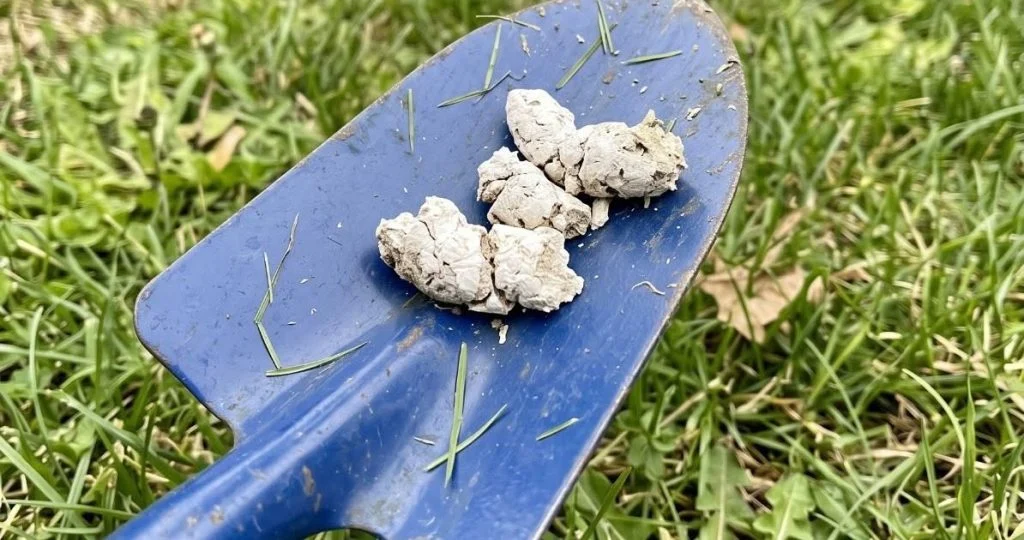
When a dog consumes large amounts of raw bones, bone meal supplements, or foods with high bone content, the excess calcium can turn stool white, chalky, or pale gray. The result is often a crumbly or powdery texture once the stool dries.

Dog food bowl with raw bones and bone meal supplements
Illustration © Toptenplay

This is considered one of the most frequent explanations for white stool. The problem is not just cosmetic: too much bone can lead to constipation or, in more serious cases, an intestinal blockage. If the stool appears hard and the dog is visibly straining, the situation warrants veterinary attention.

Liver, pancreas and bile: when pale stool signals a deeper problem

Bile, produced by the liver and stored in the gallbladder, is what gives healthy stool its normal brown color. When bile does not reach the intestines in sufficient quantities, stool can turn pale, gray, or white.

Veterinarian examining a dog on a clinic examination table
Illustration © Toptenplay

Several conditions can disrupt this process: pancreatic insufficiency (where the pancreas fails to produce enough digestive enzymes), liver disease, bile duct obstruction, or gallbladder problems. In each of these cases, the dog is also not digesting fats properly.

Unlike a dietary cause, these conditions require prompt veterinary attention. A pale stool that is not explained by recent diet changes should be assessed by a vet without delay.

Why stool color matters in dogs

Normal brown stool in dogs gets its color from bile, a digestive fluid produced by the liver. Any disruption to bile production, flow, or absorption — whether from diet, organ disease, or medication — can visibly alter stool color. White or pale stool is therefore a useful early indicator that something in the digestive process has changed.

Medications that can change stool color

Certain treatments and diagnostic procedures are known to lighten stool color as a side effect. The documented examples include some antacids, certain antibiotics, and barium — a contrast agent used during imaging tests such as X-rays or gastrointestinal scans.

See the rest on the next page ⬇⬇
Advertisement

Suggested Posts

Share on Facebook