Hot Baths After 70: A Daily Habit To Reconsider
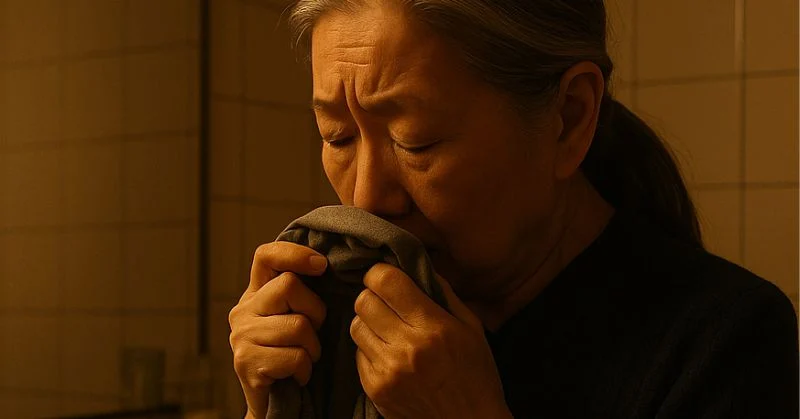
The ritual of a bath or hot shower is one of the most deeply rooted habits in our daily lives. However, once the milestone of 70 is passed, this moment of relaxation can shift into a little-known zone of vulnerability. The body no longer reacts to heat in the same way: the circulatory system loses flexibility, and blood vessels do not contract or dilate as quickly as before.
This physiological transformation is accompanied by more unstable blood pressure regulation, particularly in people with hypertension, heart disease, or a history of fainting. Hot water causes vasodilation, which sharply lowers blood pressure. In a young adult, the body compensates instantly. In a senior, this adaptation takes several seconds longer—a delay sufficient to cause dizziness, weakness, or loss of balance.
“What seemed harmless for a lifetime can suddenly pose unexpected risks,” explain senior health specialists. Dizziness, falls, or cardiovascular stress become possible consequences of a simple, poorly timed bath. The goal is not to give up this well-being ritual, but to understand its new parameters. Because in a bathroom, instability—even brief—can transform a moment of comfort into a serious domestic accident.
The Most Dangerous Time: The Morning Shower
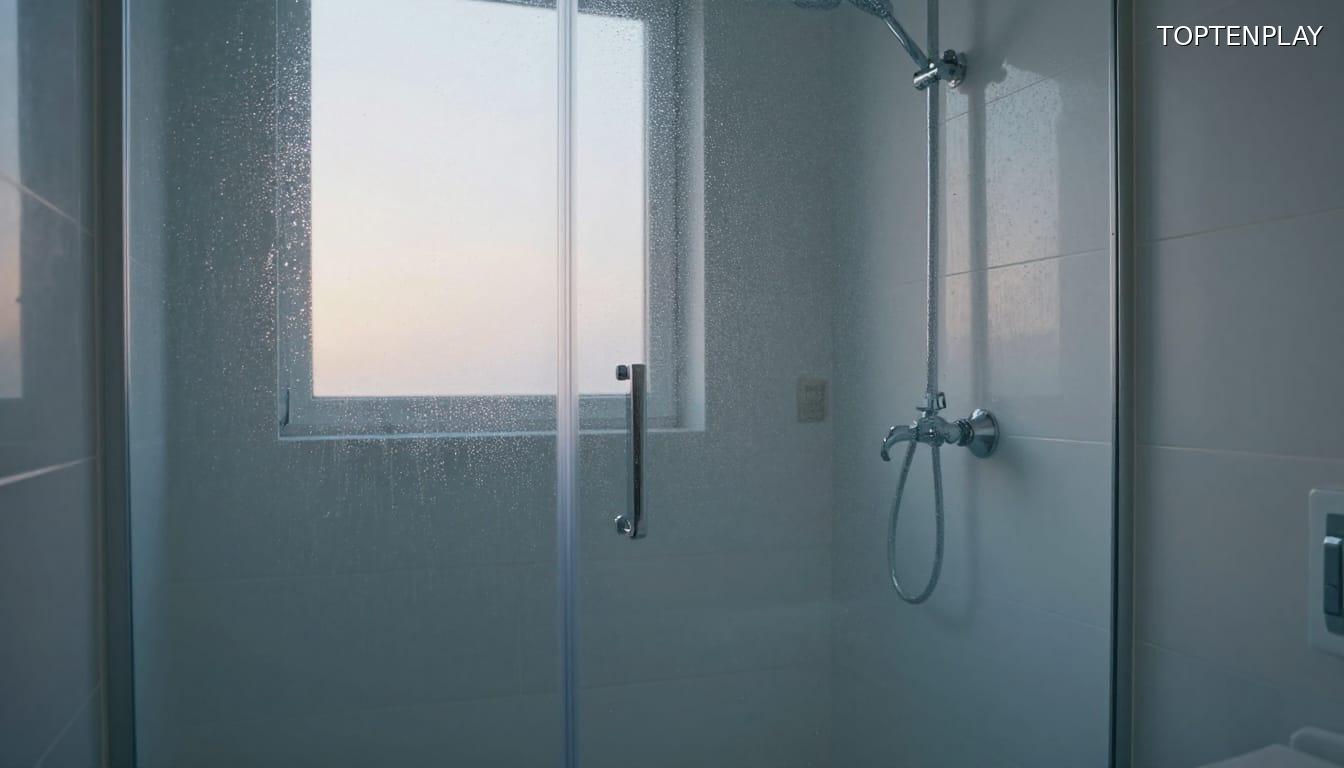
This transformation of the body in response to heat reveals a disturbing truth: waking up is the most delicate time to take a hot shower. During sleep, blood pressure naturally drops. Upon waking, the body begins a gradual transition to full alertness, a process that the aging organism manages with less reactivity.
Getting out of bed quickly can already trigger dizziness in some seniors—a medical condition known as orthostatic hypotension. When immediate exposure to hot water is added, the drop in blood pressure intensifies abruptly. The brain then receives less oxygen, causing a cascade of symptoms: blurred vision, a feeling of weakness, imbalance, and sometimes even fainting.
In the confined, tiled, and slippery space of a bathroom, even a brief moment of instability can lead to a dangerous fall. Hospital statistics confirm this: a significant proportion of domestic accidents in those over 70 occur in the first few hours after waking up, often linked to this fatal combination of slowed circulation and sudden exposure to heat.
“The body needs time to wake up completely,” emphasize cardiologists specializing in geriatrics. Waiting at least one hour after waking allows the cardiovascular system to regain its stability. Yet, this precaution remains largely ignored, turning a morning ritual into a silent risk factor.

Late Evening And Temperature: Other Risk Factors
Beyond the morning trap, late bathing presents similar dangers, though differently orchestrated. In the evening, the body initiates its natural process of preparing for sleep: body temperature gradually decreases, heart rate slows down, and blood pressure drops. Immersing oneself in very hot water at this precise moment abruptly reverses this dynamic, forcing the heart to accelerate and circulation to intensify. For a weakened cardiovascular system, this sudden reversal can cause palpitations, chest discomfort, or even fainting.
Water temperature is the second critical factor often underestimated. Excessively hot water triggers rapid vasodilation, lowering blood pressure too abruptly for an elderly organism to compensate effectively. Dehydration, dizziness, and increased cardiac load follow. Specialists recommend lukewarm water, between 37 and 40°C—comfortable enough without causing thermal shock.
Night adds an extra complication: reduced lighting turns the bathroom into slippery terrain where every movement becomes perilous. The combination of decreased alertness, disrupted circulation, and limited visibility creates an environment where the slightest imbalance can turn into a serious accident.
Understanding these mechanisms allows for identifying the moments when caution is required, paving the way toward safer practices without sacrificing daily comfort.
Safe Time Slots To Preserve Autonomy
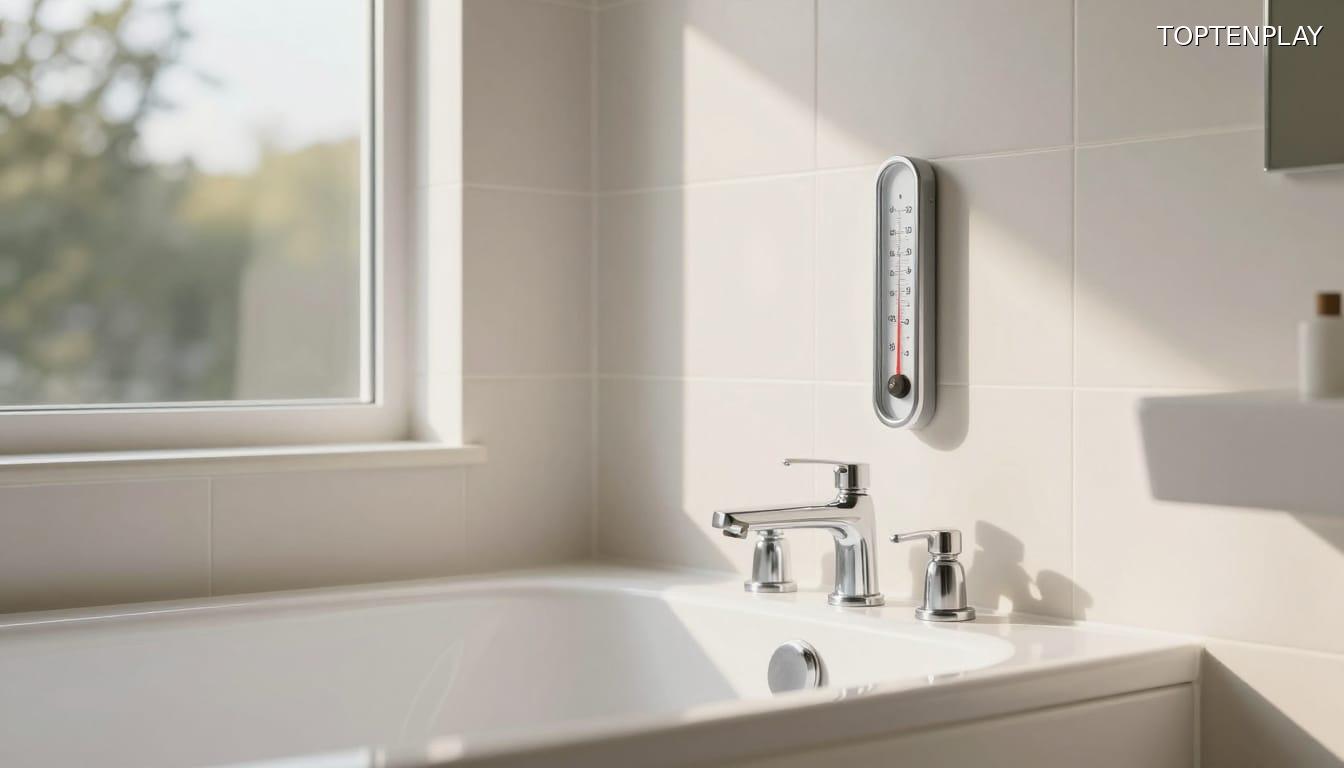
Faced with these identified risks, a simple solution emerges: choosing the right time. Mid-morning or early afternoon are the safest times to bathe after age 70. At these hours, the body has completed its transition to full wakefulness, blood circulation is functioning at an optimal rate, and blood pressure has stabilized after nocturnal fluctuations.
The environment itself becomes an ally: milder ambient temperatures limit the thermal shock between air and water, while naturally higher energy levels during the day reduce the risk of sudden weakness. The cardiovascular system, fully operational, then has all its capacities to adapt to temperature changes.
These temporal adjustments are not a constraint but a preventive strategy that preserves autonomy without giving up the pleasure of bathing. Natural daylight also improves visibility, reducing the dangers of slipping or tripping. By simply moving this daily ritual by a few hours, seniors can maintain their well-being routine while eliminating the majority of risk factors.
This pragmatic approach transforms a common gesture into an informed decision, where knowledge of physiological vulnerabilities allows for maintaining comfort and safety without sacrificing the independence that is so precious in daily life.