Identification: The Crucial Challenge That Precedes All Use
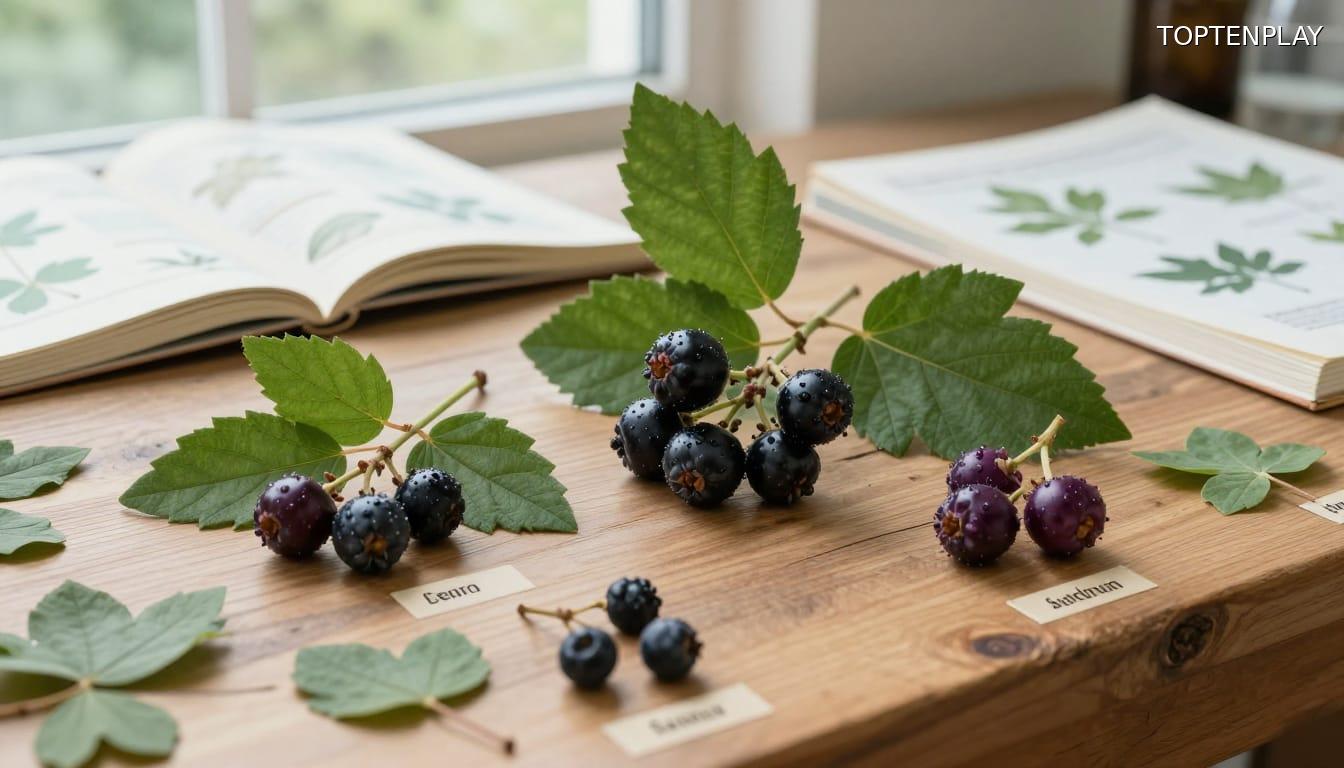
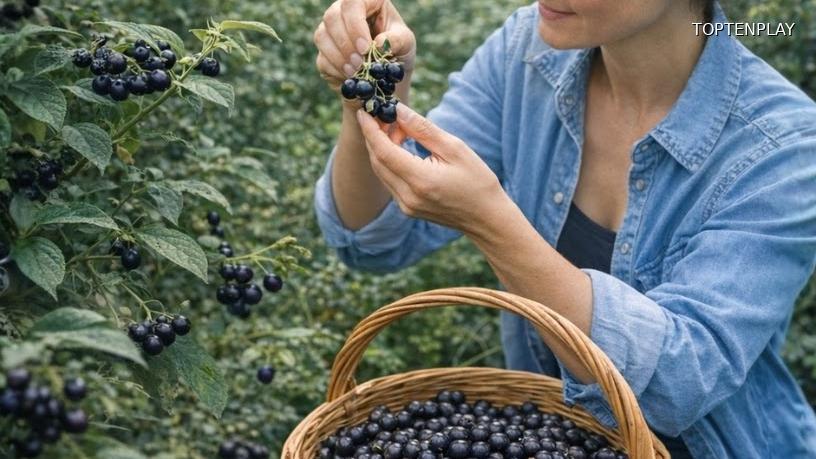
Deadly confusion often begins with a simple error of observation. In traditional markets and home gardens, several species of the genus Solanum coexist with a troubling resemblance: similar leaves, small dark berries, apparently harmless stems. Yet, some varieties concentrate alkaloids at dangerous levels.
Even within Solanum nigrum, toxicity fluctuates radically. Immature berries contain more solanine than ripe fruits, fresh leaves present volatile compounds absent after drying, and roots accumulate varying concentrations depending on the soil. This biological variability explains why two people using “the same plant” can have radically opposite experiences.
Ancestral knowledge functioned thanks to a rigorous protocol transmitted orally: harvest at sunrise after three days without rain, never take more than three leaves per plant, dry in the shade for exactly seven days. These details were not superstitions, but empirical safeguards developed over generations.
Today, this context is evaporating. One finds YouTube tutorials without botanical verification, forums where advice is exchanged based on blurry photos, and street vendors unable to distinguish the species being sold. When context disappears, improvisation begins. And improvisation transforms tradition into risk.
Before considering any use, the question is not “what benefits?” but “am I absolutely certain of what I am holding in my hands?”.
Composition and Traditional Uses: Between Promise and Prudence
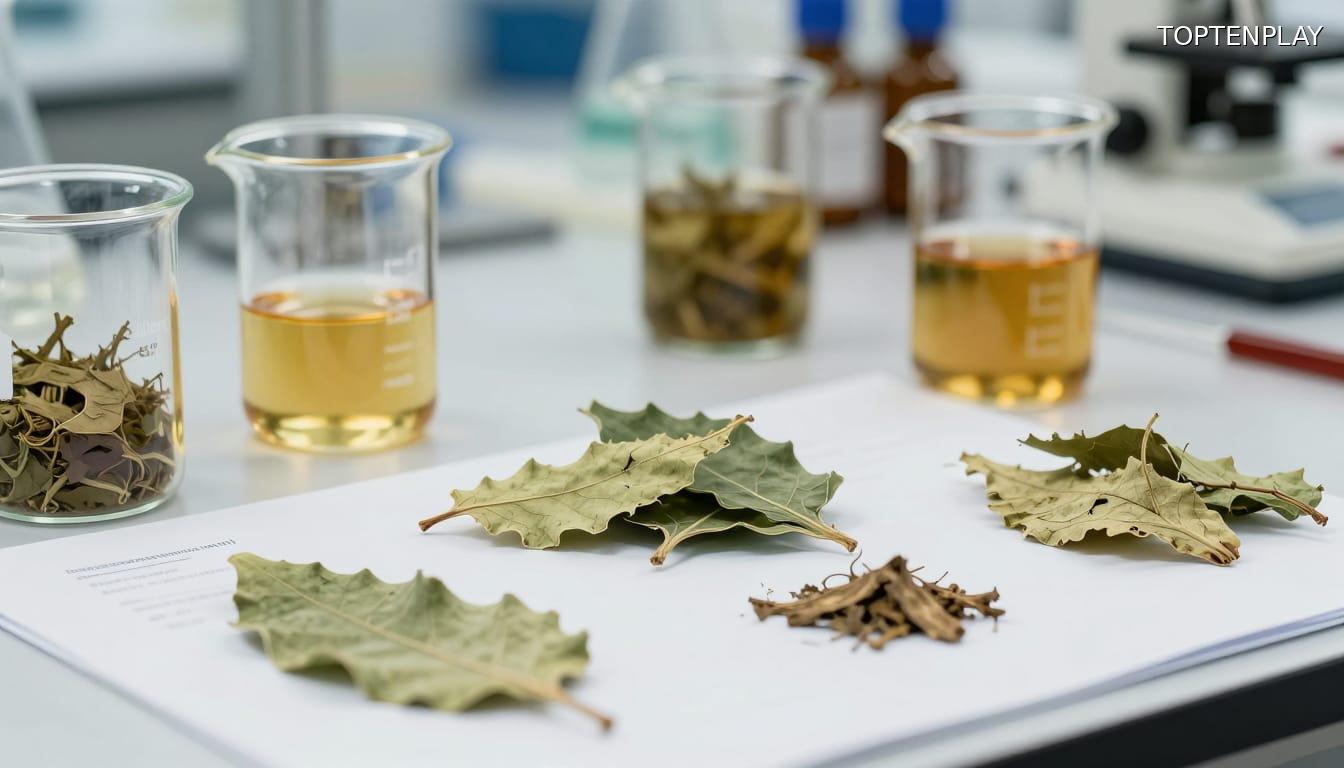
Phytochemical analyses reveal a complex reality. The flavonoids present in the dried leaves exert measurable antioxidant activity in the laboratory, but this property does not guarantee any direct therapeutic effect in humans. Tannins provide a light astringent action, traditionally used for irritated mucous membranes. As for the alkaloids — solanine, solasodine, solanocapsine — they represent both the biological interest and the primary danger.
These compounds explain why traditional herbalists spoke of “effects” rather than “cures”: digestive support during occasional heaviness, a sensation of inflammatory soothing, external use for irritated skin. None of these mentions constitutes a medical promise.
Biological activity does not mean clinical efficacy. A molecule can modify cellular parameters without improving overall health. The dose that relieves one individual can cause nausea in another. Artisanal preparation escapes concentration controls, hepatic sensitivity varies with age and comorbidities, and interaction with common medications remains unpredictable.
The table of compounds shows this duality: each substance possesses an inseparable potential and risk. Flavonoids require controlled extraction. Tannins become irritating at high doses. Alkaloids easily cross the line between “traditional dose” and “overdose”.
This is why responsible language uses cautious formulas: “may accompany,” “traditionally associated,” “observed in certain contexts.” Hierba mora does not offer miracles. It demands discernment — the ability to distinguish between what is documented experience and what is unfounded hope.
Nine Potential Benefits and Three Traditional Recipes
This requirement for discernment is concretely reflected in documented uses. The inverted ranking of traditional attributions reveals a surprising hierarchy: far from spectacular properties, the most reliable effects fall under awareness.
At rank 9 is the encouragement of body observation. Recording reactions, noting dosages, and monitoring symptoms develops health vigilance beneficial far beyond a single plant. Ranks 8 to 6 concern localized uses: light infusions during temporary digestive heaviness, a soothing sensation for minor inflammatory tensions, warm poultices applied briefly to contracted muscles. Never on open wounds, never as a substitute for adequate rest.
Ranks 5 to 3 include external skin applications for superficial irritations — always preceded by a test on a small area for 24 hours —, the traditional perception of “purification” linked more to a temporary dietary simplification than to the plant itself, and light support during minor convalescence where nutrition and sleep remain priorities.
Rank 2 mentions superficial antiseptic use in minor situations. Any real infection requires medical consultation.
Rank 1 states the central truth: the true benefit consists of learning one’s limits. Those who handle this species with rigor paradoxically develop increased health responsibility, applicable to all their health choices.
The three traditional preparations follow strict protocols. The digestive infusion uses only dried material from reliable suppliers, never improvised wild harvesting. Immediate stop in case of nausea, abdominal pain, dizziness, or diarrhea. The muscular poultice is applied warm to intact skin, short duration, without increasing exposure time. The skin ointment requires sterilized utensils, rigorous filtering, and abandonment at the slightest sign of burning or redness.
The golden rule precedes all handling: uncertainty of identification means immediate renunciation. Pregnancy, breastfeeding, hepatic or renal pathologies, and active medications are absolute contraindications. Using plants with toxic potential without guidance is not self-care. It is an unnecessary risk.
Real Lessons and Final Truth: Judgment Primes Over the Plant
This theoretical rigor is illustrated in concrete journeys. Alicia, 52, recorded her digestive symptoms for three weeks before realizing that her nightly heaviness systematically occurred after late dinners. No infusion would have corrected this chronobiological imbalance. The true remedy lay in adjusting her meal times, not in adding a plant to the protocol.
Martín, 60, tested an artisanal ointment without a prior patch test. Redness and itching appeared within six hours. His reflex to immediately stop the application avoided any dermatological complication. His initial error — bypassing the verification step — turned into a lasting lesson on the non-equivalence between natural and compatible.
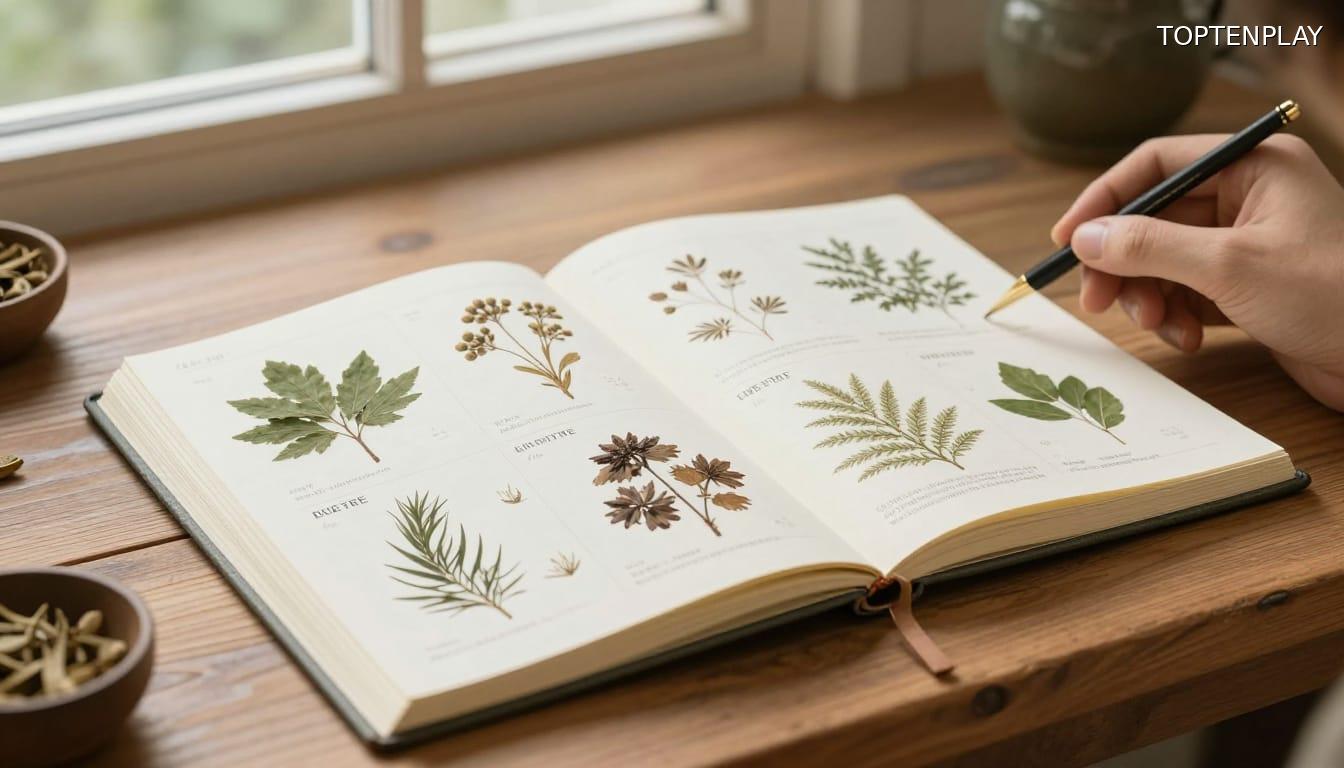
The quick reference table clarifies priorities. For a light digestive goal: minimal infusion with consultation if symptoms persist. Muscular tension: brief poultice, consultation if pain is intense. Superficial skin care: ointment with mandatory test, consultation at the slightest sign of infection.
The hierarchy remains invariable: sufficient hydration, regular rest, simple nutrition, and body listening constitute the foundations. Plants only intervene as a contextual supplement, never as a substitute for the fundamentals. Exploring herbal traditions requires guidance and documented responsibility.
Sometimes the best remedy consists precisely in avoiding an error. The power resides not in the plant, but in the capacity for judgment that determines if, when, and how to approach it.