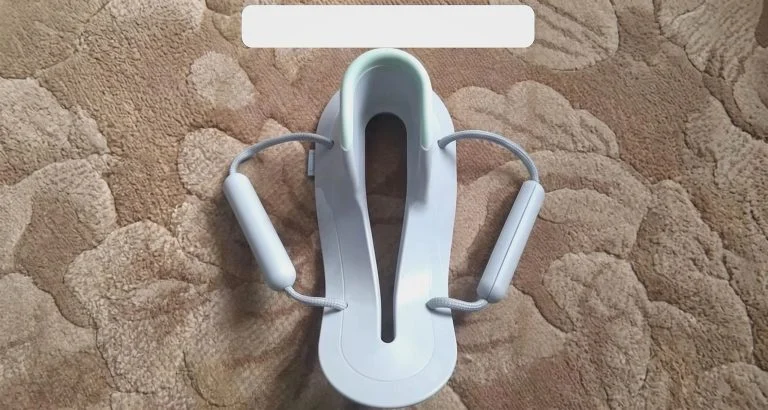
Image d’illustration © TopTenPlay EN
The Voice Banking Race Against Time
When doctors delivered the devastating verdict—Stage 4 tongue cancer requiring complete removal of her tongue and voice box—Sonya Sotinsky had just five weeks to preserve what would soon be lost forever. The 51-year-old architect from Tucson, Arizona, had endured months of misdiagnosis, with her orthodontist and dentist repeatedly dismissing her complaints of jaw pain and the strange sensation under her tongue.
« Your voice is your identity », explains Dr. Sue Yom, radiation oncologist at UC-San Francisco. This medical reality drove Sotinsky’s desperate mission to bank every meaningful sound she could produce before her January 2022 surgery.
Armed with a microphone, she methodically recorded the phrases that mattered most. « Happy birthday » and « I’m proud of you » topped her list for her husband and two daughters. Professional courtesy phrases like « I’ll be right with you » were banked for her architecture firm clients. Thinking of future grandchildren she desperately hoped to meet, she read more than a dozen children’s books aloud, from Eloise to Dr. Seuss.
But perhaps most tellingly, one of her largest recording categories consisted of curse words and profanity. For Sotinsky, sarcasm and sharp language weren’t just communication tools—they were essential fingerprints of her personality. She refused to let cancer steal not just her voice, but her authentic self.
Hours of recordings would soon prove to be her lifeline back to identity.
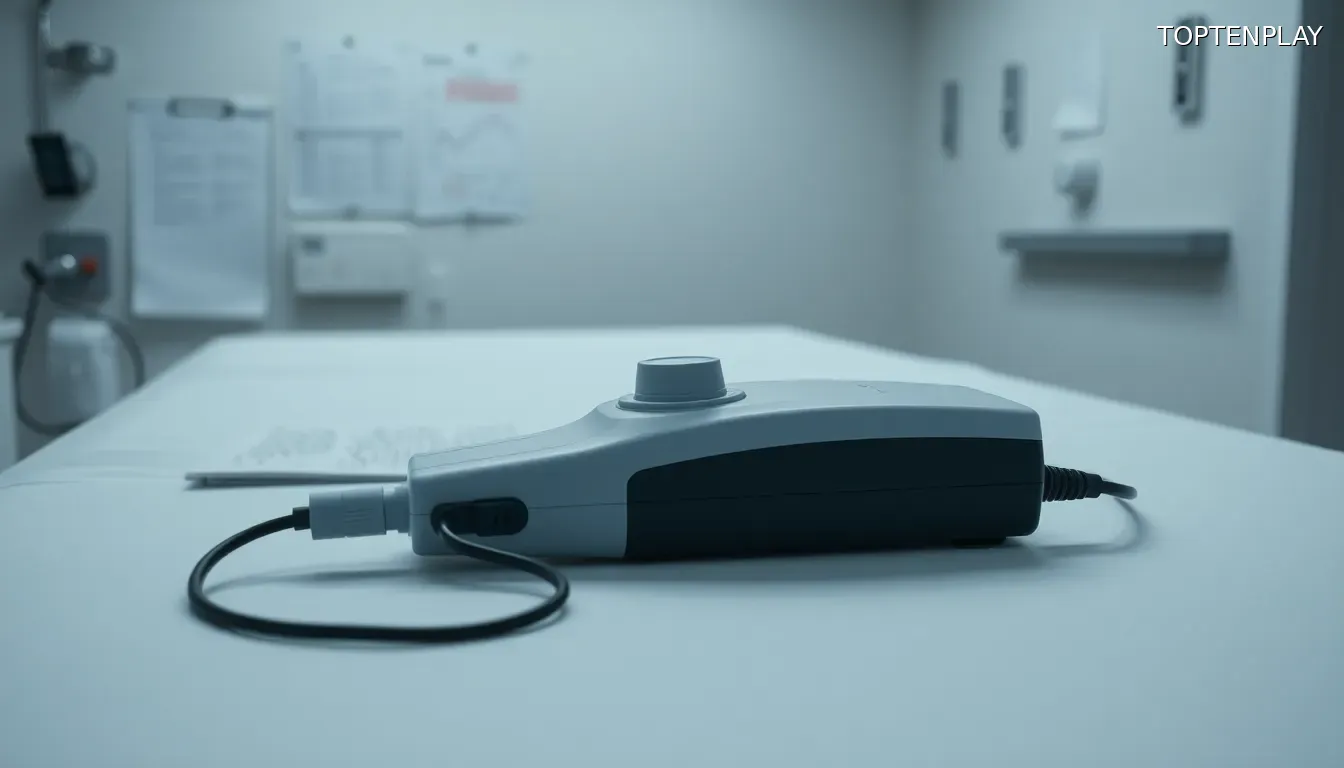
Image d’illustration © TopTenPlay EN
When Silence Becomes A Prison
The surgery that saved Sotinsky’s life in January 2022 also stripped away her most fundamental form of expression. The total glossectomy and laryngectomy—complete removal of tongue and voice box—left her facing a harsh new reality: communicating through rudimentary technology or handwritten notes.
Traditional solutions offered little hope. Most laryngectomy patients rely on an electrolarynx, a small battery-operated device held against the throat that produces a monotonic, mechanical voice. But without a tongue to shape words, this standard option was useless for Sotinsky’s condition.
The psychological impact proved as devastating as the physical trauma. « When the voice is no longer available, you can’t hear yourself thinking out loud », explains Dr. Yom. « It impacts how your mind works. » Research reveals that voice box removal patients face higher risks of long-term emotional distress, depression, and physical pain compared to those who retain their voice after cancer treatment.
The social consequences compound the medical ones. Close to one-third of patients lose their jobs, while isolation becomes a daily struggle. For Sotinsky, the frustration reached breaking points.
« When you can’t use your voice, it is very, very frustrating. Other people project what they think your personality is », she recalls. « I have silently screamed and screamed at there being no scream. What the literal you-know-what? »
By mid-2024, as primitive voice technology continued failing her, Sotinsky began researching emerging artificial intelligence solutions that promised something revolutionary: the return of authentic human expression.
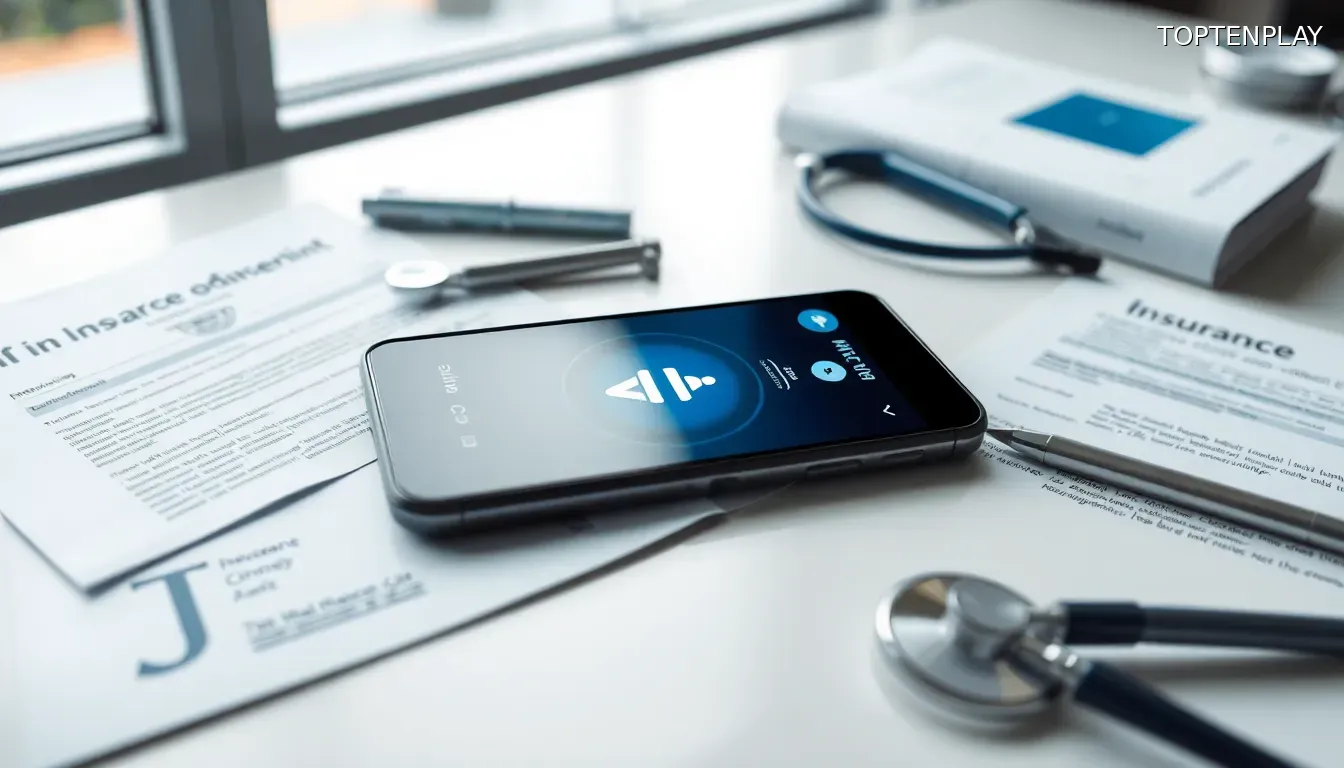
Image d’illustration © TopTenPlay EN
AI Breakthrough And Insurance Battle
Her research paid off. In mid-2024, Sotinsky discovered companies using generative AI to replicate a person’s full range of natural inflection and emotion—far beyond the flat, robotic voices she’d endured. The breakthrough technology could recreate authentic speech from recorded samples, with 30 minutes being the optimal amount of material needed.
Sotinsky had banked hours through her children’s book readings. « Eloise saved my voice », she now says, crediting the classic children’s story that provided crucial training data for her AI voice clone.
The result transformed her communication. Using an app called Whisper, Sotinsky types what she wants to say, and her authentic voice—complete with sarcasm and New Jersey accent—broadcasts through portable speakers. Her daughter Ela describes the emotional impact: « When we heard her AI voice, we all cried. It’s crazy similar. She got her sass back. »
But accessing this life-changing technology required a costly battle. Sotinsky spent $4,000 on initial assistive speaking equipment, then $39 monthly for her AI voice clone—all out of pocket after Blue Cross Blue Shield of Arizona refused coverage.
« Apparently, having a voice is not considered a medical necessity », Sotinsky quips through her AI voice, the sarcasm cutting through insurance bureaucracy. Teresa Joseph, a company spokesperson, confirmed that « assistive communication devices are typically not covered », though she acknowledged coverage criteria might evolve as AI impacts healthcare.
For Sotinsky, the financial burden paled beside regaining her identity. Armed with her restored voice, she was ready to ensure others wouldn’t face the same barriers.
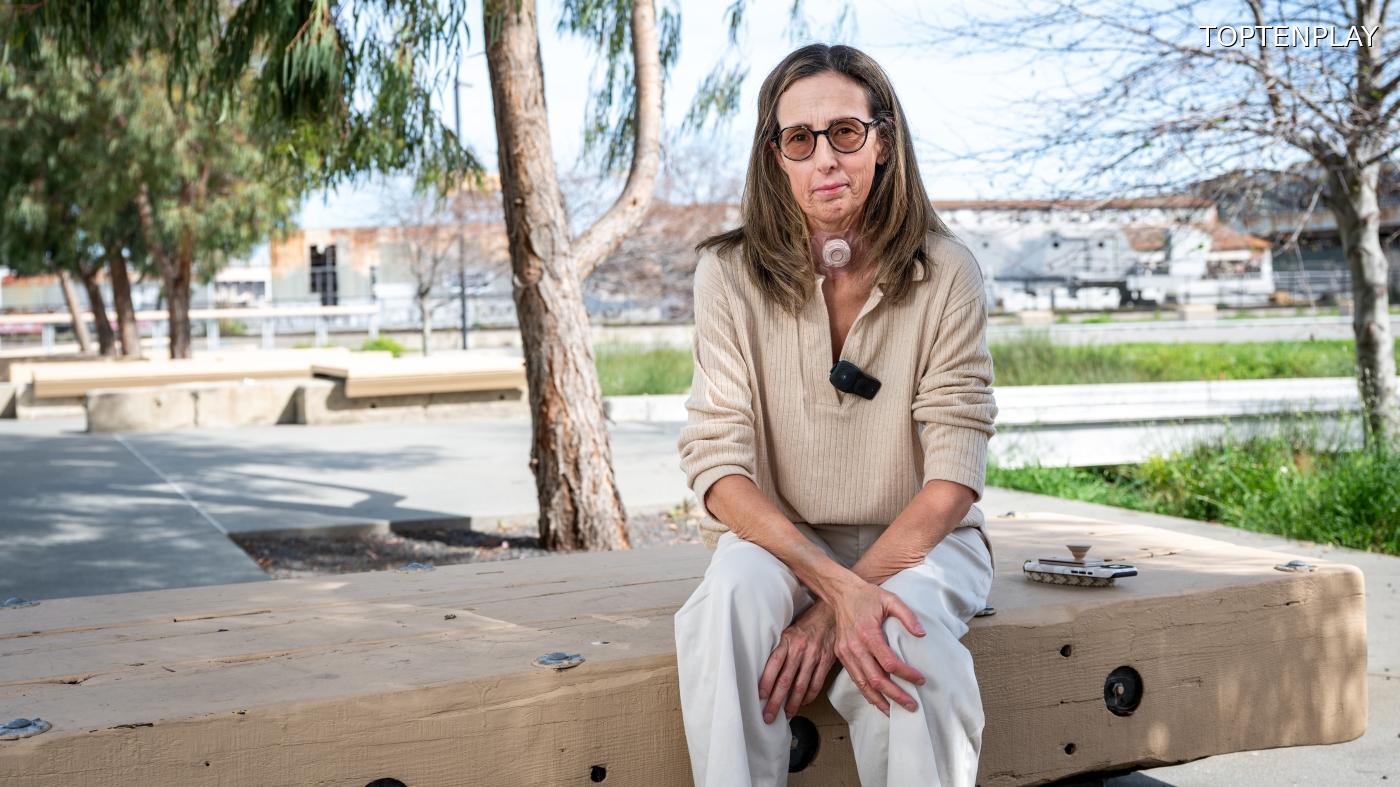
Image d’illustration © TopTenPlay EN
From Patient To Pioneer
Sotinsky channeled her restored voice into advocacy. Stepping back from her architecture firm, she built two comprehensive websites—voicebanknow.com and glossectomygirl.com—documenting her voice banking journey and providing resources for other patients facing similar procedures.
Her story resonated beyond personal testimonials. At oncology conferences, including a Denver gathering of 80 scientists organized by Dr. Yom, Sotinsky’s presentation sparked immediate action. Dr. Jennifer De Los Santos, a head and neck cancer researcher at Washington University in St. Louis, was so moved by hearing Sotinsky’s AI voice that she began designing a clinical trial to measure the technology’s impact on patient communication and quality of life.
« That type of research could generate the data health insurers need to measure actuarial value », De Los Santos explained, « and therefore justify coverage by insurance ».
When Sotinsky’s cancer resurged in her lungs and liver, her AI voice proved medically essential. She noticed doctors and nurses taking her more seriously, engaging more fully than they had with her previous robotic technology. « Being able to dialogue with my care team in a more seamless way is vital », she said.
De Los Santos draws parallels to breast reconstruction battles of the 1980s and ’90s, when insurers initially deemed the procedures « cosmetic ». Patient advocacy and carefully crafted research eventually proved reconstruction’s profound impact on physical and emotional well-being, leading to federal coverage mandates in 1998.
Both researchers believe AI voice technology will follow a similar trajectory, with data ultimately demonstrating that natural-sounding communication leads not only to better lives, but potentially longer ones.