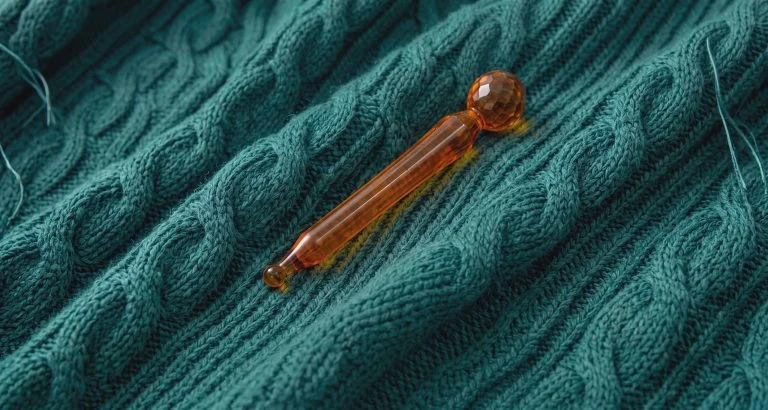
The eyes and sprouts of a potato also naturally contain higher solanine levels, even in potatoes that show no green color at all. Any potato that has begun to sprout should have those growths removed thoroughly before cooking.
How light exposure happens — and how to prevent it
Green potatoes are a direct result of improper storage. Exposure to light — whether sunlight, fluorescent supermarket lighting, or even a bright kitchen counter — is enough to set off both chlorophyll and solanine production over time.
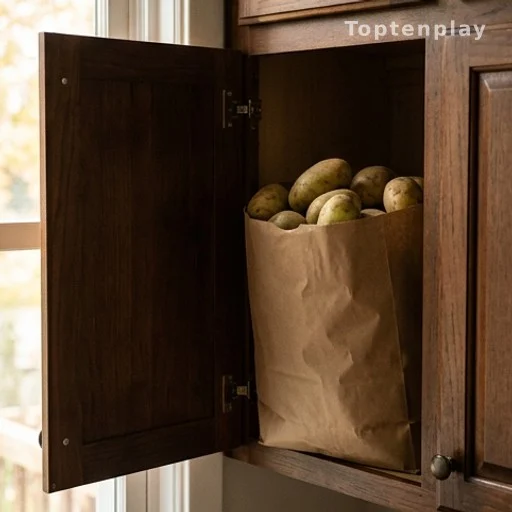
Storing potatoes in a cool, dark, and well-ventilated place is the most effective way to prevent greening. A paper bag, a dark cupboard, or a cellar are all suitable options. Plastic bags that trap moisture should be avoided, as they accelerate sprouting.
Buying potatoes in opaque bags rather than clear packaging also reduces their light exposure before they reach your home. Once stored correctly, potatoes can remain in good condition for several weeks without developing significant greening or solanine build-up.
The key outstanding question for consumers is where to draw the line between a potato worth salvaging and one that should be discarded entirely. Food safety authorities in several countries are expected to update their household guidance on glycoalkaloid thresholds as research into solanine accumulation rates under different storage conditions continues. In the meantime, the practical test remains straightforward: if the green extends deep into the flesh after peeling, or if the potato tastes bitter — a known indicator of elevated solanine — it should not be eaten.
Suggested Posts
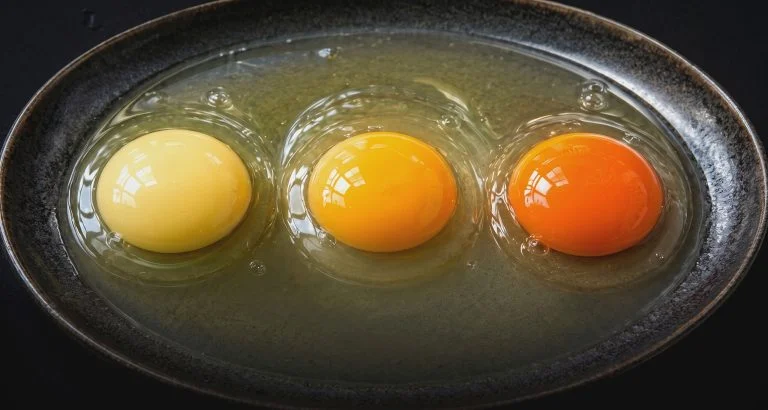
Egg yolk color doesn’t reveal what you think about your chicken
A deep orange egg yolk is widely taken as a sign of a healthier chicken and a more nutritious egg. That assumption is largely…