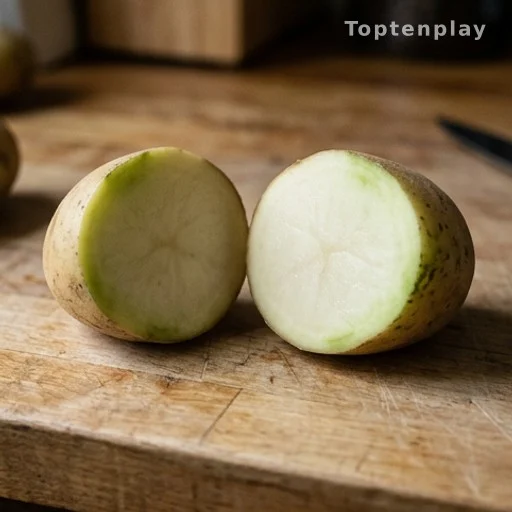
Chlorophyll is the molecule plants use to convert sunlight into energy through photosynthesis. In that sense, a green potato is simply doing what any plant tissue does when it meets light — a biological response, not a sign of rot or contamination.
The critical point is that chlorophyll itself poses no food safety risk. It is perfectly safe to consume, which is why leafy green vegetables rich in chlorophyll are considered nutritious. The problem lies in what happens alongside that color change.
A natural defense, not a contamination
Solanine has been present in potatoes since long before modern agriculture. It belongs to a broader family of glycoalkaloids found across the nightshade plant family, which includes tomatoes and aubergines. At low levels it is harmless; problems arise only when potatoes are stored in conditions that accelerate its production.
Solanine: the toxin that travels with the green
Light exposure does not only trigger chlorophyll production — it simultaneously causes the potato to produce higher levels of solanine, a glycoalkaloid toxin, along with a related compound called chaconine. This is the real health concern behind green potatoes.
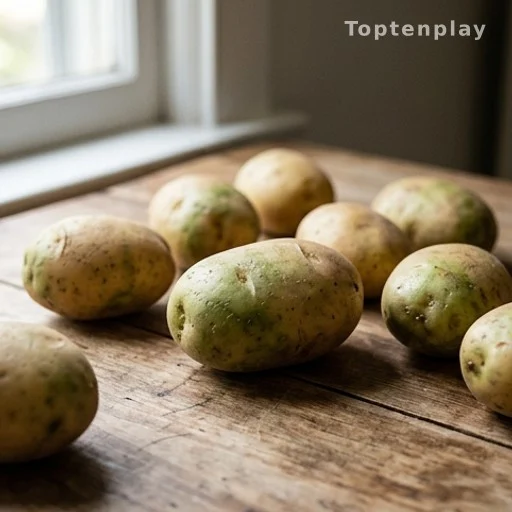
Solanine is a natural defense mechanism. Potatoes produce it to protect themselves against pests, fungi, and insects — it is, in effect, the plant’s way of deterring anything that might eat it. Under normal storage conditions in the dark, solanine levels remain low and are not considered dangerous.
The link between the two processes is direct: the same light stimulus that turns a potato green also raises its solanine content. So while the green color will not harm you, it is a reliable indicator that solanine levels may have climbed to unsafe concentrations.
Where solanine concentrates in an affected potato
Solanine does not spread evenly throughout a potato. It concentrates primarily in the green areas and in the layer of flesh just beneath the skin of affected tubers. The deeper, starchy interior of the potato typically contains far lower levels.
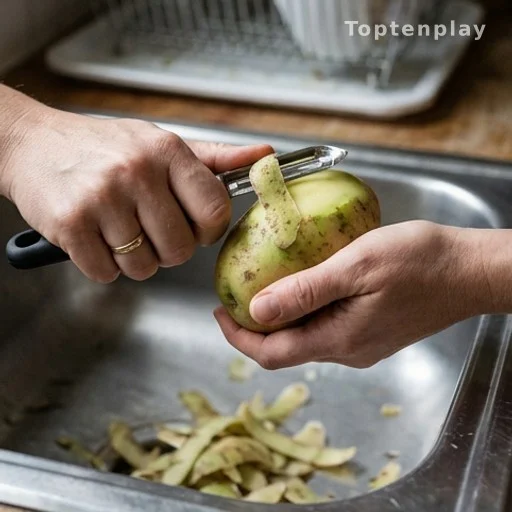
This is why the practical food safety advice focuses on the skin and the immediate sub-surface tissue. Peeling away the green parts generously — not just skimming the surface — removes the zones where the toxin is most concentrated.
Suggested Posts
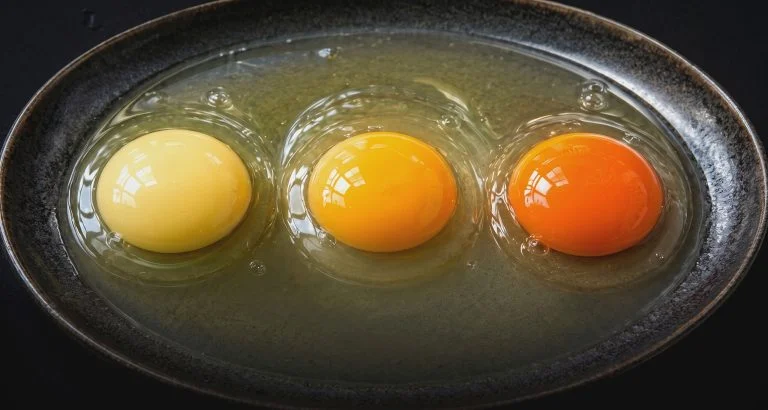
Egg yolk color doesn’t reveal what you think about your chicken
A deep orange egg yolk is widely taken as a sign of a healthier chicken and a more nutritious egg. That assumption is largely…