Craving a potato gratin that truly warms you up without requiring three pots and a half-day? This Dublin-style version keeps the generous spirit of the dish, but replaces the beer with a flavorful broth—simpler to handle and rounder on the palate. Cheddar does the heavy lifting: it browns, it melts, it flavors.

When it comes out of the oven, the top should be nicely amber, with small bubbles of cream rising along the edges. The spoon cuts through a salty cheddar crust before falling into layers of soft, almost silky potatoes. It smells of warm milk, melted cheese, and reduced broth, with that family-style side that calls for a bright salad alongside.
Why you’ll love this recipe
Ingredient Notes

Potatoes, milk, cream, cheddar, and broth: few ingredients, so a good cheese is essential.
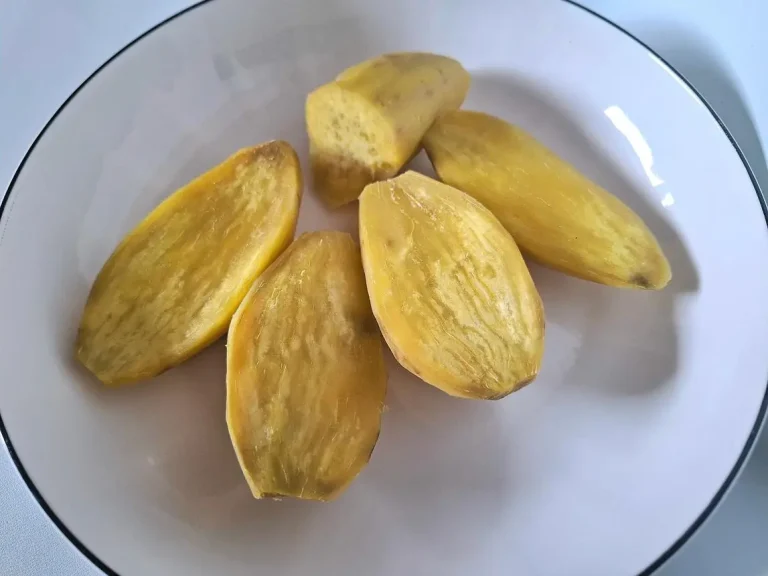
- Potatoes : They form the structure of the gratin and release just enough starch to bind the sauce. Choose waxy or all-purpose potatoes like Monalisa, Agata, or Charlotte if you want slices that stay well-defined.
- Flavorful vegetable broth : It replaces the deep note of beer without adding alcohol. Use a low-sodium broth if your cheddar is strong, or add a teaspoon of soy sauce for a browner, rounder flavor.
- Milk : It tenderizes the potatoes during pre-cooking and provides a gentle base for the sauce. Whole milk is preferable here, but semi-skimmed works if the cream is generous.
- Heavy cream : It rounds out the reduced broth and gives that velvety texture that coats the slices. Avoid light cream; it can make the sauce more watery and less shiny.
- Cheddar : It brings the salt, golden color, and slightly tangy taste to the gratin. Grate it yourself if possible: pre-shredded bags often melt less well due to anti-caking agents.
- Salt and butter : Salt should be adjusted cautiously, as the cheese and broth already provide it. Butter is mainly for greasing the dish and helps the edges become golden, almost crispy.
The potatoes must be clean
Cut the potatoes into medium slices, thin enough to become tender but not so thin they break in the pot. A mandoline gives consistent results, and that’s important: slices of equal thickness cook together, without hard bits in the middle of the gratin. Rinse them after cutting until the water is less cloudy, as excess starch can make the sauce pasty. Once drained, they should feel firm and moist, not slippery like a purée in the making.

Pre-cooking changes everything
Put the potatoes in a large pot with the milk, broth, and a pinch of salt, then cook over gentle heat. The liquid should simmer softly, with a discreet and regular sound, not boil violently like a forgotten soup. This step tenderizes the slices before the oven and allows them to absorb some of the broth’s flavor. Stop when the tip of a knife goes in without force: if you push too far, the potatoes break and the gratin becomes heavy.
The sauce deserves its reduction
Remove the potatoes with a slotted spoon and keep the cooking liquid, because it already contains milk, broth, and starch released by the slices. Reduce it in a smaller pot until it becomes darker, more aromatic, and lightly coats a whisk. This reduction concentrates the flavor; without it, the gratin risks swimming in a too-thin sauce. Then add the cream and a handful of grated cheddar, just enough to get a smooth, warm cream with a clear melted cheese smell.
Assembly should be generous
Butter the dish, then alternate layers of potatoes, cheddar cream, and grated cheese. Don’t pack them down like a military dauphinois: leave a little space for the sauce to circulate between layers. The top should get a good amount of cheddar, because that’s what forms the golden, salty crust we go for first. If the sauce seems very thick, add a small ladle of hot broth before baking, but keep a light hand.
The oven does the real gratin
Bake at 200°C until the surface is golden, with edges slowly bubbling and some darker spots on the cheese. The gratin should smell of warm cheddar and cooked potato, not burnt milk; if the top browns too quickly, loosely cover with parchment paper. Let it rest a few minutes before serving, even if it’s tempting to dig in right away. This rest calms the sauce, prevents burning bites, and gives cleaner servings.

Tips & Tricks
- Salt gradually, as the broth and cheddar can already be quite salty; it’s better to correct at the end than to end up with an unsalvageable gratin.
- Don’t skip rinsing the potatoes: it removes surface starch and prevents a sticky sauce, especially if you use a very floury variety.
- Grate the cheddar at the last moment, because it melts more evenly and gives a more supple crust than pre-shredded cheese from a bag.
- Serve with a vinaigrette salad or crunchy green vegetables, as the acidity cuts through the cheese’s richness and makes the dish much more pleasant overall.

Can this gratin be prepared in advance?
Yes, it can be prepared a few hours ahead. Keep it chilled before baking, then add 5 to 10 minutes in the oven if the dish comes straight from the fridge.
Which cheddar should I choose for this gratin?
Aged cheddar provides more character and a nice golden crust. Avoid pre-shredded cheeses if possible; they often melt less well.
Why pre-cook the potatoes?
Pre-cooking makes them tender and flavors the slices from the start. It also helps the sauce thicken thanks to the starch released into the milk and broth.
How do I replace Guinness in this version?
Use a flavorful vegetable broth, possibly enhanced with a teaspoon of soy sauce. This keeps a deep flavor without alcohol.
Can the gratin be reheated?
Yes, it reheats very well in the oven at 160°C until hot in the center. Cover it at first to prevent the top from drying out, then uncover for a few minutes to revive the gratin.

Dublin-Style Potato Gratin with Cheddar
Irish-inspired
Main course
A creamy, golden potato gratin inspired by Irish flavors, with melted cheddar and a flavorful broth instead of beer.
Ingredients
- 1.5 kg potatoes
- 500 ml whole or semi-skimmed milk
- 500 ml flavorful vegetable broth
- 150 ml heavy cream
- 250 g grated cheddar
- 20 g butter for the dish
- 1 teaspoon soy sauce, optional
- 1 teaspoon salt, to adjust
Instructions
- 1Peel the potatoes, wash them, then cut them into regular medium-thick slices.
- 2Rinse the potato slices in cold water to remove excess starch, then drain thoroughly.
- 3Pour a small amount of water into a large pot, add the potatoes, milk, vegetable broth, and salt.
- 4Cook over gentle heat until the potatoes are tender but still whole.
- 5Remove the potatoes with a slotted spoon and keep the cooking liquid in the pot.
- 6Reduce this liquid by about three-quarters, stirring regularly to prevent sticking.
- 7Add the heavy cream, bring to a simmer, then stir in a handful of grated cheddar to create a creamy sauce.
- 8Preheat the oven to 200°C and butter a gratin dish.
- 9Arrange half of the potatoes in the dish, add half of the sauce and about one-third of the grated cheddar.
- 10Add the remaining potatoes, the rest of the sauce, then top with the remaining cheddar.
- 11Bake for about 30 minutes, until the top is nicely golden and the edges are bubbling.
- 12Let rest for 5 to 10 minutes before serving so the sauce sets better.
Notes
• For a deeper flavor without alcohol, add the soy sauce to the broth before cooking.
• If the cheddar is very salty, reduce the amount of salt initially and adjust after reducing the sauce.
• The gratin keeps for several days in the refrigerator in a covered dish.
• Serve with a vinaigrette salad or green vegetables to balance the richness of the cheese.
Nutrition Facts (per serving, estimated)
| 588 kcalCalories | 21gProtein | 66gCarbs | 25gFat |