📌 Dish too spicy: why milk is more effective than water at stopping the burn

Posted 28 January 2026 by: Admin
Culinary Catastrophe: When Chili Takes Over
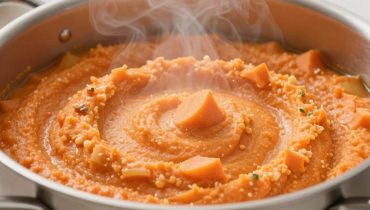
Spicy Thai curry, flamboyant Mexican tacos, a tasty homemade chili: chili, correctly dosed, transforms these dishes into intense and complex taste experiences. But crossing the red line is enough to transform this pleasure into a true culinary ordeal. That first bite of chili that was supposed to warm you up becomes a submersive heat wave, the kind that invades the mouth and refuses to leave. The carefully prepared ratatouille suddenly reveals itself to be an infernal mix of explosive flavors, where the excess of chili erases all subtlety.
Behind this burning sensation lies capsaicin, the formidable molecule responsible for the spiciness of chili. When it saturates the taste buds, it leaves no room for the other flavors of the dish. The sought-after intensity then tips into catastrophic excess: the spices that were supposed to enhance the taste end up destroying it completely. This brutal contrast between the desired effect and the result obtained transforms a moment of sharing into an endurance test.
Faced with this disaster, there is no need to throw the dish away. Solutions exist to fix the situation and regain the balance of flavors without losing the character of the original dish.
Five Immediate Rescue Solutions For Your Dish
Dairy products constitute the first line of defense against a dish overloaded with chili. Milk, crème fraîche, or yogurt act directly on capsaicin: their proteins bind to this molecule and considerably reduce its impact on the taste buds. A spoonful of cream in the curry or a few spoonfuls of plain yogurt in the chili are often enough to bring the intensity back to a bearable level.
Sweet ingredients offer a complementary approach by neutralizing the sensation of heat. Honey, white sugar, fresh fruit, or root vegetables like carrots create a taste counterweight that balances the spiciness. This sweetness does not mask the other flavors of the dish; it reveals them again by tempering the dominant burn.
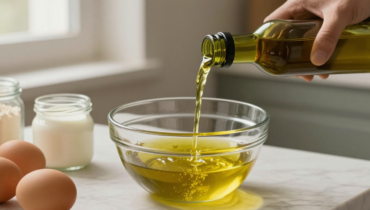
Starches physically absorb the spiciness. Diced potatoes, white rice, or plain pasta added to the preparation capture the capsaicin and decrease its overall intensity. Fats like olive oil, butter, or avocado coat the tongue with a protective film that attenuates the perception of heat.
Finally, neutral foods dilute the spicy strength without compromising the identity of the dish. Mild vegetables, plain rice, or unseasoned pasta act as buffers, distributing the capsaicin over a larger volume. This method preserves the essential flavors particularly well while bringing the fire back to a controlled intensity.
These techniques work on the dish itself, but what to do when the burn has already invaded the mouth?
Mouth Emergency: Putting Out The Fire In Your Mouth
When the heat has already invaded the mouth, milk becomes the most effective emergency intervention. Its casein physically removes the capsaicin clinging to the taste buds, unlike other liquids that only temporarily dilute it. Yogurt, cream, or fromage blanc produce the same life-saving effect in a few seconds.
Solid starches offer an immediate mechanical solution. White bread, cooked potatoes, or plain rice absorb the capsaicin present on the tongue and in the saliva, acting as buffers that literally capture the burning molecule. Chewing slowly maximizes their effectiveness.
Acidic foods like lemon, orange, or vinegar chemically neutralize the burning sensation. A lemon wedge squeezed directly onto the tongue brings rapid relief, while fats like olive oil or avocado dilute the capsaicin by coating it. Sucking on a sugar cube creates a sensory distraction that diverts attention from the heat.
Cold water provides immediate but deceptive relief: it disperses the capsaicin throughout the mouth without eliminating it, sometimes prolonging the unpleasant sensation. This palliative solution never replaces targeted interventions that actually neutralize the responsible molecule.
These emergency remedies save the critical moment, but true mastery consists in preserving the gustatory balance of the dish from its preparation.
Preserving Flavors While Mastering The Fire
Correcting a dish that is too spicy requires a surgical approach: reducing the heat without compromising the gustatory identity of the meal. Dairy products and fats neutralize capsaicin while respecting the balance of spices, unlike solutions that dilute massively and drown out the original flavors.
Starches and neutral foods function as intelligent buffers. A handful of cooked rice or a few steamed potatoes absorb the excess spiciness without transforming a Thai curry into a bland mush. This mitigation strategy preserves aromatic complexity while bringing the intensity back to a bearable level.
The addition of sweet or acidic ingredients creates a taste counterpoint that rebalances the dish. Honey in a spicy sauce or lemon in a chili readjusts the palette without masking the other spices. This chef’s technique enhances each component instead of simply putting out the fire.
The crucial distinction lies between saving and transforming: fats coat the tongue and soften the perception without altering the dish, while massive dilution by adding liquids irremediably changes its texture and taste. Mastering this nuance transforms a culinary accident into a demonstration of expertise, where each intervention corrects precisely what needs to be while preserving the essence of the dish initially intended.