The Troubling Identity Of A Little-Known Plant
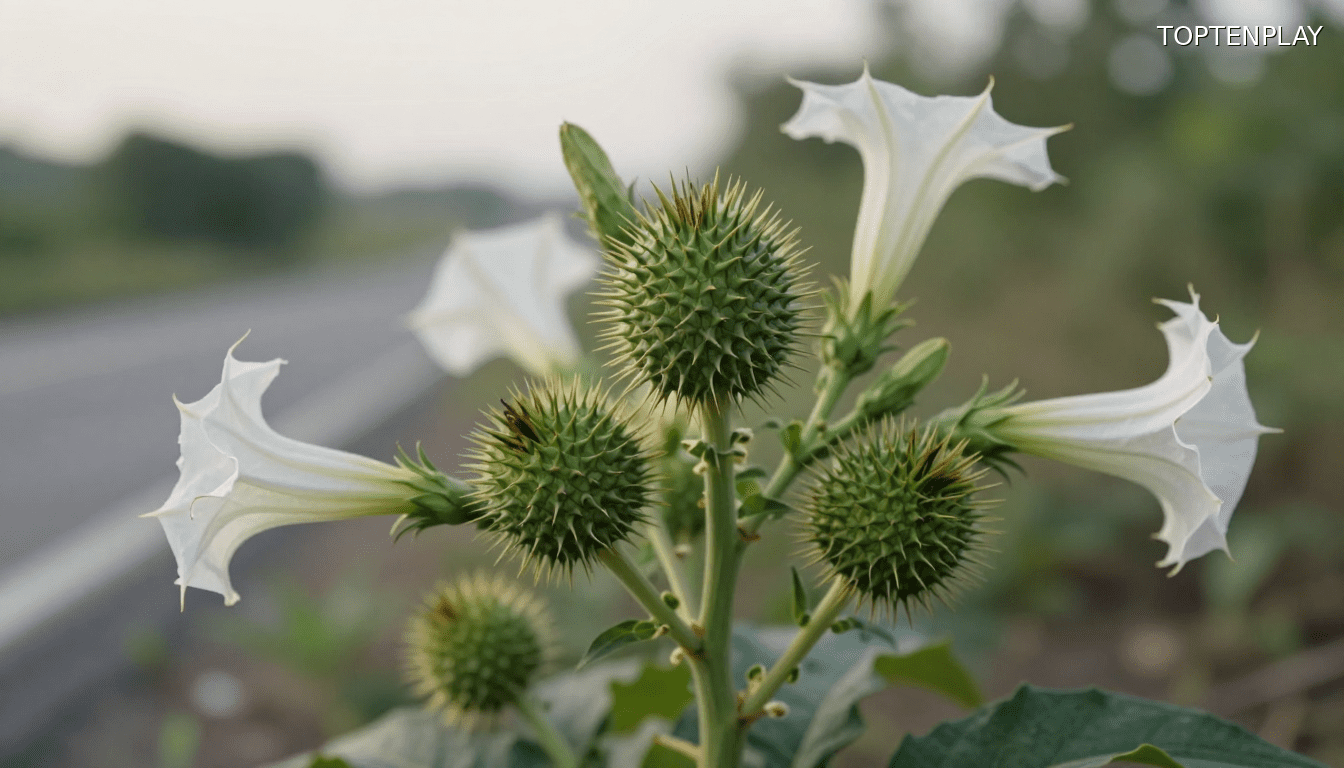
Datura stramonium probably grows just a few meters from you. This plant with large white or purple trumpet-shaped flowers, adorned with unmistakable thorny pods, discreetly colonizes roadsides, vacant lots, and domestic gardens across the world. Its strong, bitter smell should alert you, but many are unaware that they encounter one of the most toxic plants in our immediate environment daily.
Behind its folkloric names—stramonium, thorn apple, devil’s trumpet—lies a relentless toxicological reality. Every part of the plant, without exception, concentrates tropane alkaloids with powerful neurological effects: atropine, scopolamine, and hyoscyamine. These compounds act directly on the central and peripheral nervous system, disrupting communication mechanisms between the brain and organs.
Unlike culinary herbs whose toxicity remains moderate or non-existent, Datura tolerates no approximation. The three molecules it contains radically alter perception, body temperature, heart rate, and cognitive functions. This chemical concentration explains why toxicologists classify this species among the most dangerous in the plant kingdom, far ahead of many plants reputed to be poisonous but whose effects remain more predictable.
Fatal Unpredictability: Why No Dose Is Reliable
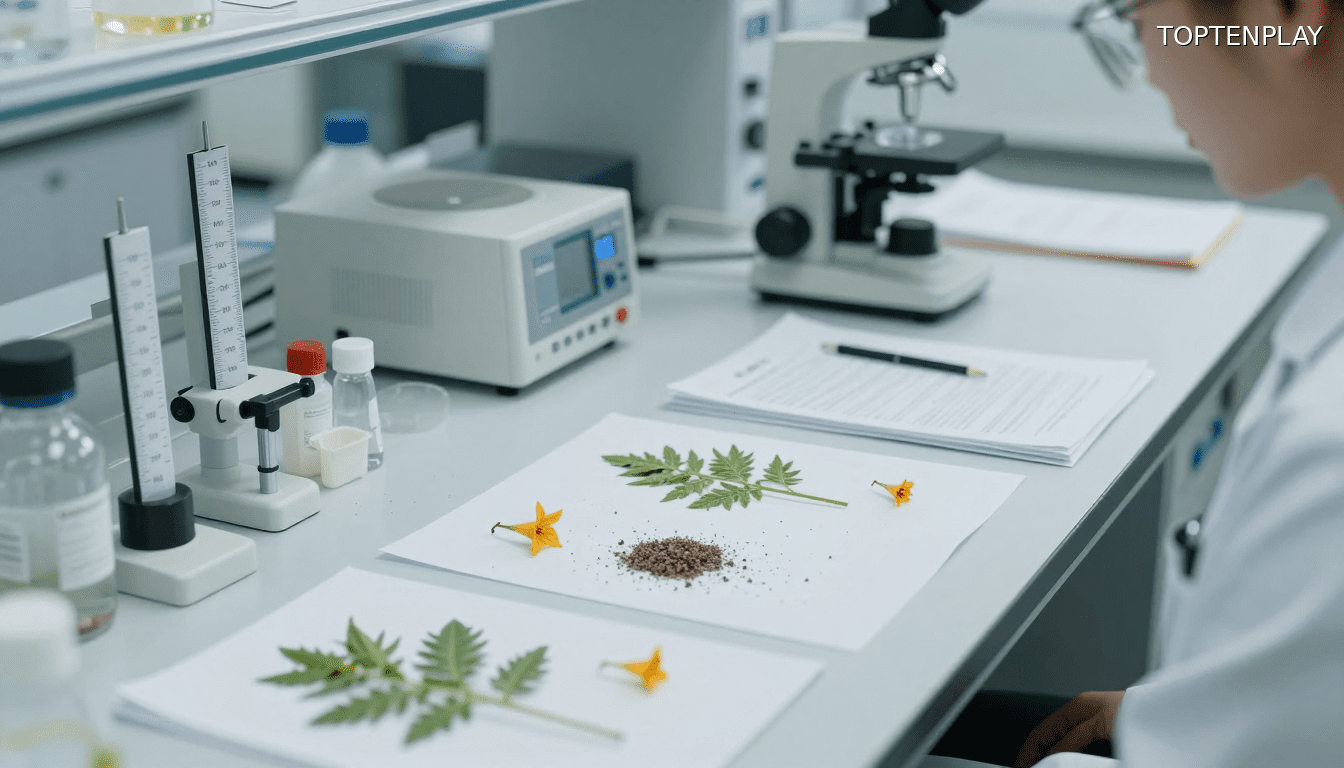
This chemical instability distinguishes Datura from any other known medicinal plant. Unlike plants where the concentration of active principles remains relatively stable, levels of tropane alkaloids vary extremely unpredictably from one plant to another, making any dosage impossible. Two identical-looking plants, growing side by side in the same soil, can have concentrations varying by a factor of five.
Even more troubling: this variability is observed even within a single specimen. Leaves from the same stem show radically different levels of atropine and scopolamine depending on their position, age, and sun exposure. Environmental factors—temperature, humidity, soil mineral composition, growth stage—continuously modify the plant’s internal chemistry, turning every harvest into a toxicological lottery.
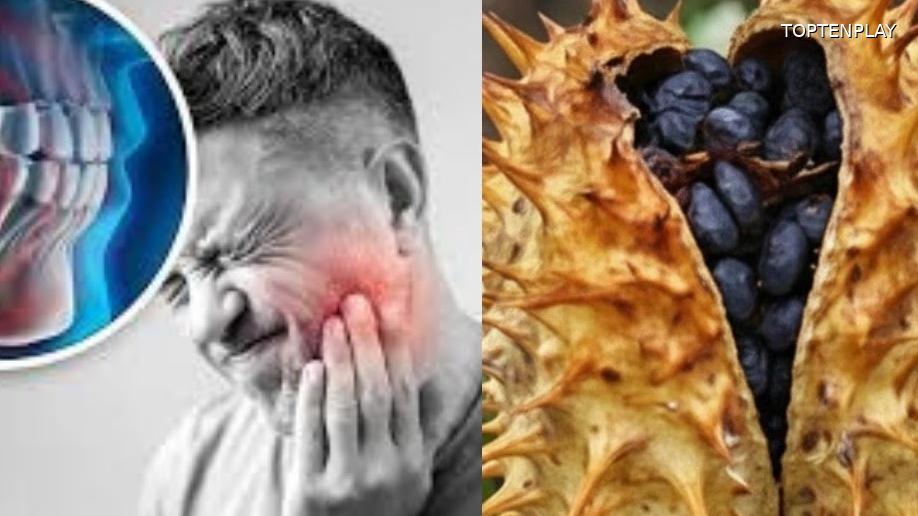
The seeds concentrate this danger at its peak. Their alkaloid content reaches heights, with documented cases where ingesting a handful of seeds caused potentially fatal reactions in healthy adults. This extreme concentration explains why toxicological emergencies regularly record severe poisonings related to these seeds, often consumed due to ignorance of their potency.
Faced with this chemical reality, the expression “safe dose” loses all meaning. Even laboratory analysts, equipped with precision instruments, struggle to predict the exact toxicity of a given sample. This fundamental unpredictability renders any attempt at controlled domestic use obsolete.
The Gap Between Medical Use And Domestic Use
This chemical unpredictability reveals a fascinating medical paradox: the same molecules extracted from Datura save lives daily in hospitals worldwide. Atropine is used in cardiac emergencies, scopolamine treats motion sickness in the form of regulated patches, but only after complete purification. These isolated compounds are measured in micrograms, dosed with absolute precision, and administered under strict medical supervision.
The gap between this modern medicine and the raw plant is abyssal. Where a standardized drug guarantees an exact concentration, the wild plant offers an uncontrollable mixture of alkaloids in variable proportions. Pharmaceutical protocols systematically eliminate undesirable compounds, stabilize active principles, and frame each administration with rigorous controls—a luxury impossible with a leaf picked from the garden.
Ancient traditional practices, often cited to legitimize domestic use, relied on specialized expertise passed down through generations. Healers who used Datura for severe asthma, muscle spasms, or during rituals mastered complex preparation techniques, precise infusion times, and signs of overdose. This deep empirical knowledge cannot be summarized in a few online readings.
Today, reproducing these ancestral methods without adequate training is a perilous undertaking. Modern medicine has developed safe alternatives—prescribed inhalers, approved topical treatments—precisely because control of the raw plant remains out of reach even for seasoned professionals.
Real Dangers And Safe Alternatives
This theoretical danger materializes brutally during an anticholinergic syndrome, a toxic reaction characteristic of Datura. Victims develop extreme mental confusion accompanied by hallucinations so realistic they become indistinguishable from reality. The heart races in dangerous tachycardia while body temperature climbs without natural regulation. The mouth dries out completely, vision blurs, and in severe cases, convulsions precede coma and then cardiac arrest.
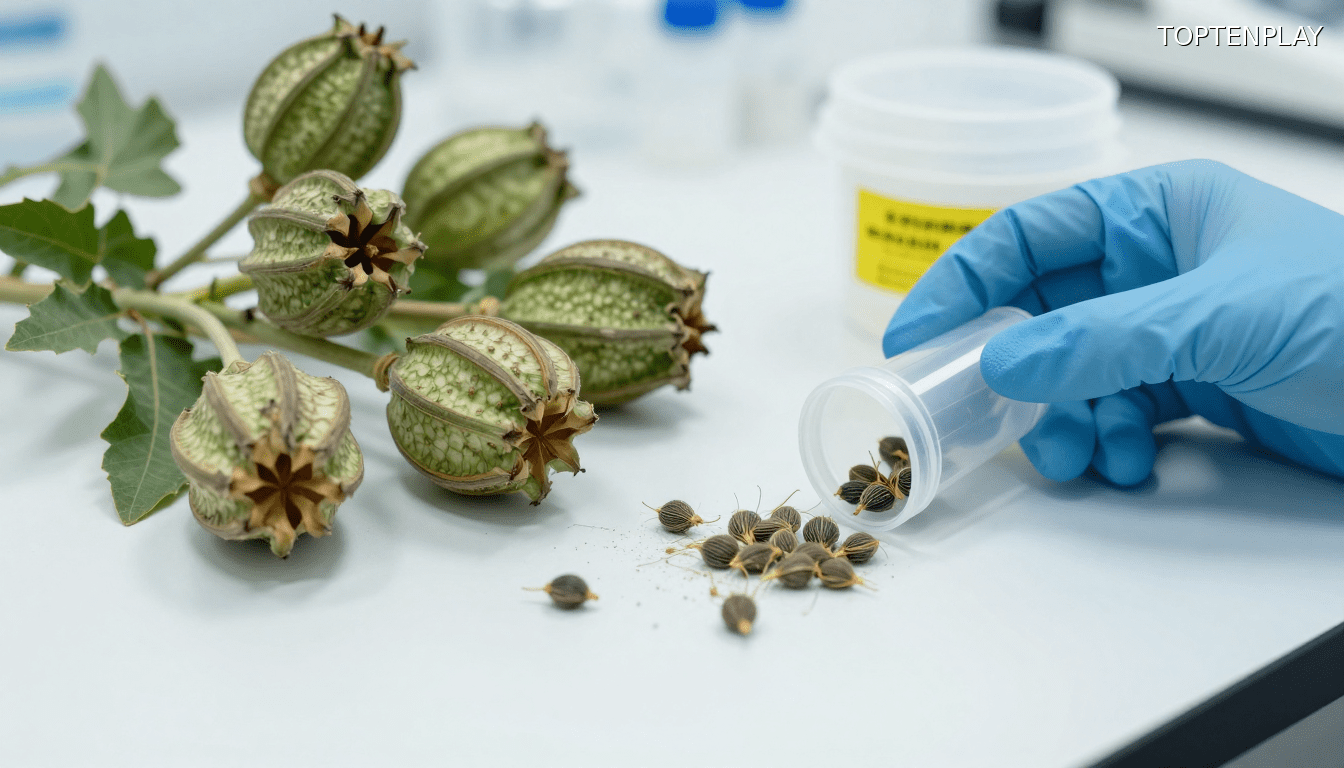
Contrary to popular belief, avoiding ingestion does not protect against toxic effects. Dermal application allows alkaloids to cross the skin barrier, smoke inhalation triggers rapid absorption by the lungs, and these alternative routes make overdose even more insidious by delaying the onset of symptoms. The seeds particularly concentrate these compounds: several documented cases report that just a few seeds caused potentially fatal reactions in healthy adults.
If the plant colonizes your garden, the safety protocol remains strict. Wear gloves during any handling, dispose of it without burning it to avoid toxic fumes, keep children and animals away, and then thoroughly wash hands and tools. This physical vigilance is accompanied by pragmatic medical reflection.
Every historical use of Datura now has its safe equivalent: prescribed inhalers for respiratory difficulties, regulated scopolamine patches for motion sickness, ginger for nausea, approved topical treatments for muscle tension. These modern solutions offer efficacy without the risk of death—a rational choice when faced with a plant whose only merit remains its role as a warning about the limits of natural self-medication.