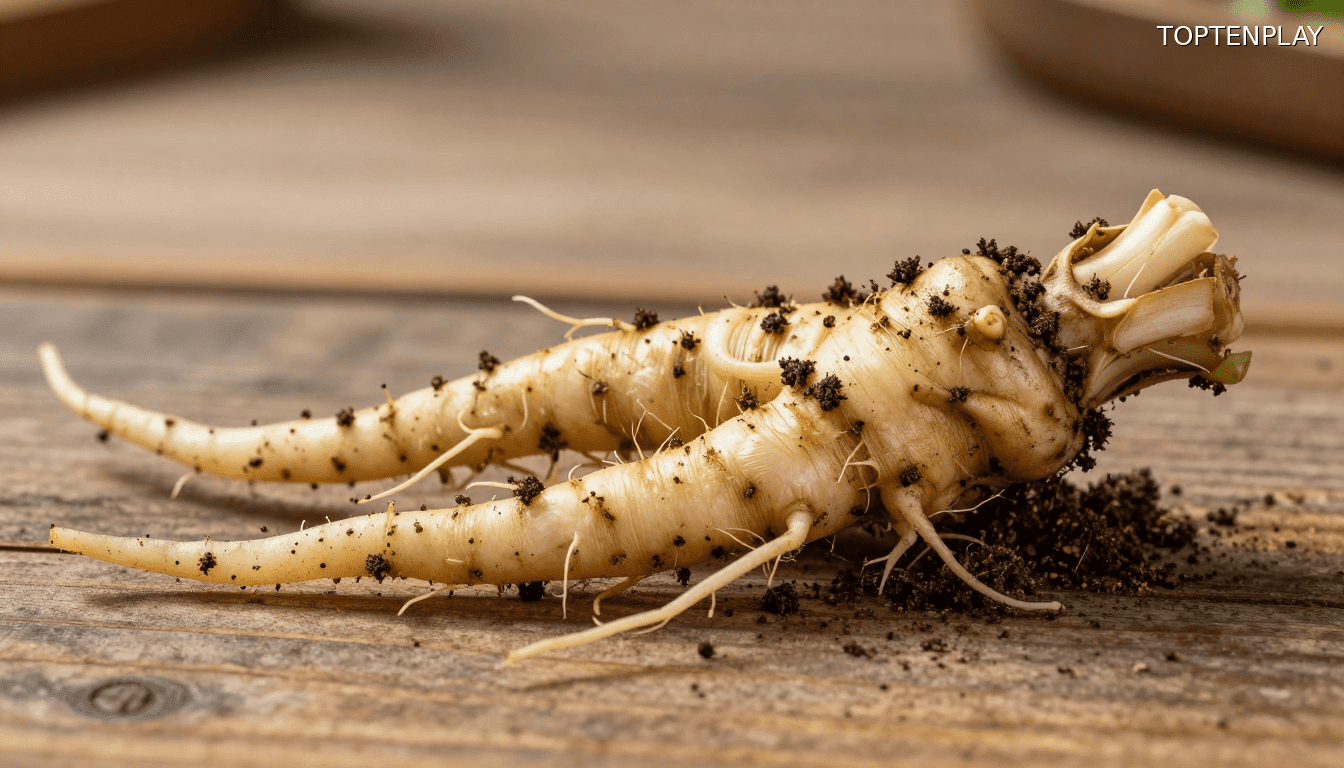
Dandelion Root: A Little-Known Treasure Of Traditional Herbalism
Considered a simple weed invading lawns and gardens, the dandelion nevertheless conceals one of the most powerful remedies in the natural pharmacopoeia. For centuries, herbalists worldwide have recognized its root as the most precious part of the plant, concentrating plant compounds with exceptional cleansing, balancing, and regenerative properties.
This ancestral valuation is based on a biochemical reality: unlike the leaves and flowers also used, the root stores active principles in their most concentrated form. Traditional Chinese, European, and Native American medicinal practices have all integrated this underground organ into their detoxification and organic rebalancing protocols.
The perceptual transformation of the dandelion illustrates a fascinating paradox: what we step on daily offers documented support for liver function, digestion, metabolism, and inflammatory balance. Rich in inulin, antioxidants, vitamins A, C, and K, as well as essential minerals like iron and potassium, this ordinary root holds a remarkable phytochemical complexity.
Responsible use of this accessible remedy requires a precise understanding of its modes of action and specific therapeutic indications.

The Eight Documented Therapeutic Virtues Of The Root
This exceptional concentration of active principles explains the eight areas of action validated by traditional use and contemporary research. Liver support is the emblematic property: the root stimulates bile production, thus promoting the natural elimination of toxins and the assimilation of lipids. This choleretic action, recognized by several European pharmacopoeias, underlies its historical role in detoxification cures.
On the digestive level, inulin – a prebiotic fiber representing up to 40% of the root composition – feeds the intestinal microbiota while activating digestive enzymes. The bitter compounds typical of the plant trigger a reflex secretory cascade beneficial for gastrointestinal comfort.
The traditional diuretic effect, which gave the plant its common name in some languages, facilitates water balance without depleting the body of potassium, unlike synthetic diuretics. This particularity simultaneously supports kidney function and the management of temporary retention.
Emerging research also reveals promising metabolic potential: certain polysaccharides in the root may favorably influence postprandial blood sugar levels. Meanwhile, its antioxidants (phenolic acids, flavonoids) and anti-inflammatory properties protect against cellular oxidative stress. These mechanisms explain its inclusion in protocols aimed at immunity, cardiovascular balance, and skin clarity.
Translating these virtues into concrete benefits requires mastery of extraction methods and appropriate dosages.

Phytochemical Composition And Practical Modes Of Use
This effectiveness is based on a precise molecular arsenal. The root concentrates polyphenolic antioxidants, inulin (up to 40% of its dry mass), vitamins A, C, and K essential for cellular metabolism, as well as bioavailable minerals – iron, potassium, calcium. Phenolic acids complete this profile by strengthening soothing and protective properties.