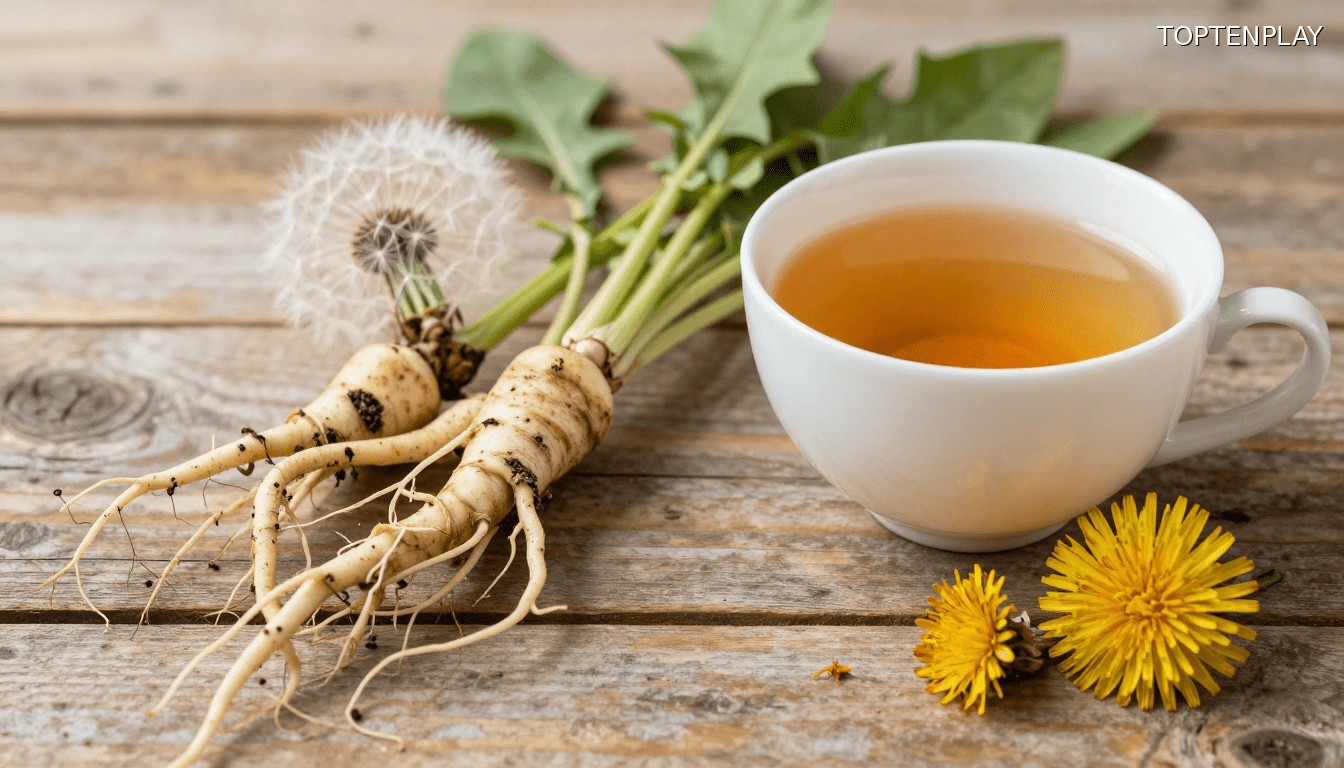
Dandelion: From Weed To Health Ally
This plant that millions of gardeners pull out every spring hides a well-kept secret. The dandelion (Taraxacum officinale), long relegated to the rank of a nuisance, is now establishing itself as a health ally that ancestral traditions have never stopped valuing.
Traditional Chinese medicine has used it for millennia for its refreshing properties and its action on water balance. Indigenous communities in North America integrated it into their practices to support digestion and skin health. This transcultural recognition reveals a constant: the dandelion has never been a simple weed.
Modern herbalism confirms this age-old intuition. Practitioners consider the dandelion one of the most versatile plants for daily and gentle support of well-being. This versatility explains the current resurgence of interest in this wild plant, as more and more people seek natural alternatives to synthetic food supplements.
The transformation is remarkable: what was pulled out yesterday is what is cultivated today. The natural compounds of dandelion, studied by contemporary research, scientifically justify what traditional use empirically claimed. A common plant reveals itself to be an unrecognized superfood, accessible to all and literally growing under our feet.
This rediscovery poses an essential question: how to concretely integrate this plant resource into our daily lives?

Preparation And Consumption: A Simple Ritual With Multiple Benefits
The accessibility of dandelion is as remarkable as its virtues. Transforming this plant into an infusion requires neither special skills nor sophisticated equipment.
The basic recipe consists of a few elements: one tablespoon of dandelion root for a cup of water brought to a boil. After washing and cutting the root into small pieces, let it infuse for ten minutes. This extraction time allows the active compounds to be fully released into the water. Filter, and the infusion is ready, hot or cooled according to your preferences.
The timing of consumption influences the effects felt. Many prefer the morning to gently activate digestion, thus creating a morning ritual that prepares the body for the day. Others opt for the afternoon, transforming this herbal tea into a soothing break that combines hydration and lightness. Some even enjoy a cold version with lemon, which is particularly refreshing.
The integration of dandelion is not limited to infusions. Fresh leaves enrich salads with a slightly bitter note, stimulating for the taste buds. Green smoothies gladly welcome these nutrient-rich leaves. This versatility allows for alternating formats according to desire, thus maintaining interest in this plant over the weeks.
This simplicity of preparation contrasts with the richness of the traditionally observed effects, which regular users are quick to discover.