A good chocolate frosting shouldn’t be a mountain of sugar disguised as cream. This one has a clear chocolate taste, a dense mousse texture, and enough structure to make it seem like you spent the afternoon playing serious pastry chef.
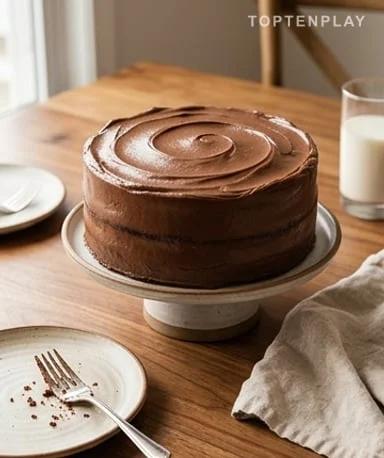
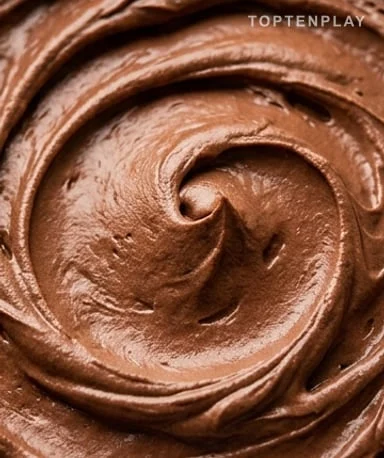
The color darkens as it rests, from a shiny almost liquid brown to a deep, satiny chocolate. With a spatula, it leaves thick, supple waves, no sugar grains on the tongue. The smell is straightforward: cocoa, warm cream, melted chocolate, nothing heavy or cloying. On a cupcake or between two cake layers, it sits like a rich but not massive cream.
Why you’ll love this recipe
Ingredient Notes
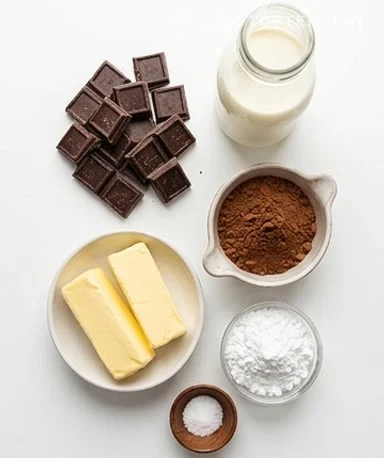
Dark chocolate for baking, heavy cream, cocoa, a little butter, and powdered sugar: nothing exotic, but good basics are essential.
- Dark chocolate for baking : It gives the main flavor and structure of the frosting. Choose a chocolate around 45-55% cocoa for a balanced cream; with 70%, the result will be more intense, darker, and slightly firmer.
- Heavy cream : It transforms the chocolate into ganache and brings that round, smooth, almost silky texture. Use cream with about 35% fat, otherwise the frosting may remain soft and not hold up well for piping.
- Unsweetened cocoa powder : It enhances the chocolate flavor without adding fat or sugar. Dutch-process cocoa gives a darker color and a rounder flavor, but a good regular unsweetened cocoa works just fine.
- Unsalted butter : It adds body and a creamier mouthfeel without turning the recipe into a heavy buttercream. Use it soft, not melted, so it incorporates without lumps.
- Powdered sugar : It sweetens the bitterness of cocoa and helps the cream smoothen with the whisk. Sift it if your package has absorbed moisture, as small lumps are quickly felt in such a fine cream.
The ganache does the real work
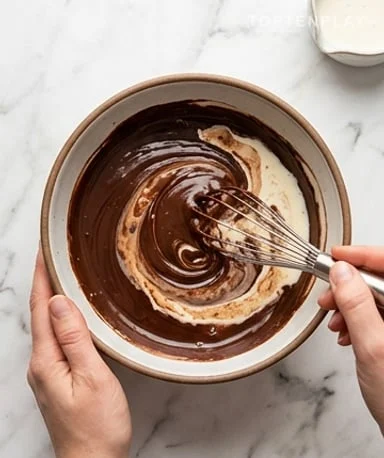
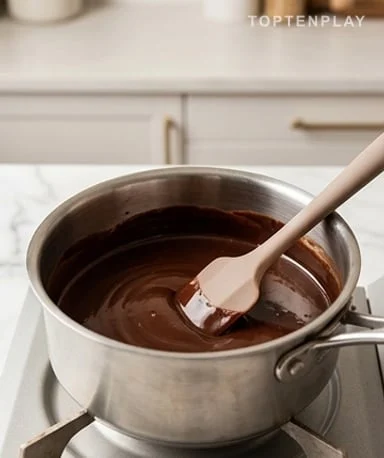
Start by gently heating the cream, just until it lightly steams and smells of warm milk. If it boils outright, it can tire the chocolate and give a less elegant texture. Pour it over the chopped chocolate or pistoles, then let it sit for a minute before stirring: this pause allows the heat to penetrate without shocking the mixture. When you stir, the center becomes dark and shiny first, then the whole mass turns into a smooth cream. That’s the moment to aim for, not an overly agitated chocolate soup.
Resting is non-negotiable
The frosting needs to cool to firm up, and that’s often where people rush. Too warm, it whips poorly and stays loose; too cold, it becomes thick and hard to soften. The right texture before whipping resembles a spreadable, shiny but still flowing paste. By touch, the bowl should be cool, not icy. This resting time allows the chocolate and cream to stabilize, which makes all the difference when piping.
The whisk should lighten, not massacre
When the ganache is ready, whip it with the soft butter and powdered sugar until you get a lighter, airier but still dense cream. The sound changes a bit: it goes from a heavy mixture sticking to the bowl to a cream that gently slaps against the sides. Stop as soon as the whisk lines remain visible for a few seconds. If you whip too long, the texture can become less supple, almost grainy. The goal is not to make a chocolate whipped cream, but a creamy frosting that holds.
Piping forgives a lot
This frosting is pleasant to work with because it doesn’t crust quickly or harden into a block. On a cake, it spreads in thick ribbons with a spatula, then smooths without dragging crumbs everywhere if the base is well chilled. For cupcakes, a star tip gives tall, neat spirals with satiny ridges. If the cream becomes too soft in a warm kitchen, put it in the fridge for a few minutes before continuing. If too firm, let it come back to room temperature and mix gently.
Cold makes it practical, not brittle
In the fridge, it keeps its shape while remaining creamy, which is really appreciated when preparing a cake in advance. It doesn’t become that hard layer that cracks under the spoon. Before serving, just let the cake breathe a bit at room temperature so the chocolate regains its full aroma and melting texture. Then you better taste the cocoa, the cream, and that slight bitterness that balances everything. It’s exactly the kind of frosting that gives a clean, generous cake without making it cloying.
Tips & Tricks
- Use baking chocolate, not a highly sweetened confectionery bar, because the cocoa content and melting behavior are more reliable for a smooth cream.
- Do not replace heavy cream with light cream, as the fat is what allows the frosting to set and keep neat shapes.
- Always let the cake cool completely before frosting, otherwise the cream melts on contact and slides off, leaving shiny streaks.
- If the frosting seems too soft, put it in the fridge for short 10-minute periods, because gradual cooling allows you to recover the texture without solidifying it.
Does this frosting taste like cream cheese?
No, cream cheese is mainly used to add volume and structure. Dark chocolate and cocoa largely dominate, giving a creamy texture rather than a tangy taste.
Can I use milk chocolate?
I don’t recommend it for this recipe. Milk chocolate is sweeter and softer, so the frosting may lose its structure and become too sweet.
Why do I need heavy cream?
The fat helps the frosting set and stay stable once whipped. With light cream, you may get a spreadable cream, but not firm enough for nice piping.
Can I make this frosting ahead?
Yes, you can prepare the chocolate base and keep it chilled before whipping. Once the frosting is finished, it’s best used quickly, especially if you want tall, neat spirals.
What if the frosting is too soft?
Put it in the refrigerator for 10 to 20 minutes, then mix briefly. The cold firms up the chocolate and cream without turning the frosting into a hard block.
What can I use this chocolate frosting on?
It works great on cupcakes, layer cakes, chocolate cake, or vanilla cake. It’s supple enough to spread and stable enough to hold between layers.

Creamy Chocolate Frosting
Western
Frosting
A smooth, dense chocolate frosting that is less sweet than classic buttercream. It pipes well, spreads easily, and gives a real mousse-like chocolate sensation.
Ingredients
- 200g dark chocolate for baking, 45-55% cocoa
- 180ml heavy cream, at least 35% fat
- 25g unsweetened cocoa powder, ideally Dutch-process
- 100g unsalted butter, softened
- 250g powdered sugar, sifted
- 250g cream cheese, block-style like Philadelphia, at room temperature
- 125ml heavy cream, cold
- 1/4 teaspoon fine salt
Instructions
- 1Heat 180ml of heavy cream until very warm, without boiling.
- 2Add cocoa powder and whisk until a smooth paste forms, with no large lumps. Let rest 5 minutes to enhance cocoa flavor.
- 3Melt dark chocolate in the microwave in short bursts, stirring between each.
- 4Pour the cocoa-cream mixture into the melted chocolate and whisk until smooth. Let cool for 15 minutes at room temperature.
- 5In a large bowl, beat the softened butter until soft and creamy.
- 6Add powdered sugar and beat until a sandy texture, with no visible butter pieces.
- 7Add cream cheese and beat just until smooth.
- 8Fold in the cooled chocolate mixture and mix until the color is uniform.
- 9Cover the bowl and refrigerate for 2 hours, along with the beaters if possible, so the base is very cold.
- 10Add the 125ml cold cream and salt, then whip at high speed for about 1 minute 30 seconds, until stiff peaks form.
- 11Use immediately to fill, spread, or pipe. For better hold, refrigerate the frosted cake for 30 minutes before serving.
Notes
• Dark chocolate around 45-55% gives the best balance of flavor, structure, and sweetness.
• Cream with less than 35% fat will make the frosting softer, especially for piping.
• Cream cheese in a tub is often softer than a block and may give a less stable result.
• If the frosting becomes too soft while working, place it in the fridge for 10-20 minutes before continuing.
• This frosting does not freeze well; it’s best kept in the fridge and re-whipped gently if needed.
Nutrition Facts (per serving, estimated)
| 315 kcalCalories | 3gProtein | 26gCarbs | 23gFat |