📌 Cloves: how eugenol protects your cells from aging and oxidative stress
Posted 15 March 2026 by: Admin
The Clove: A Millennial Spice With Confirmed Scientific Properties
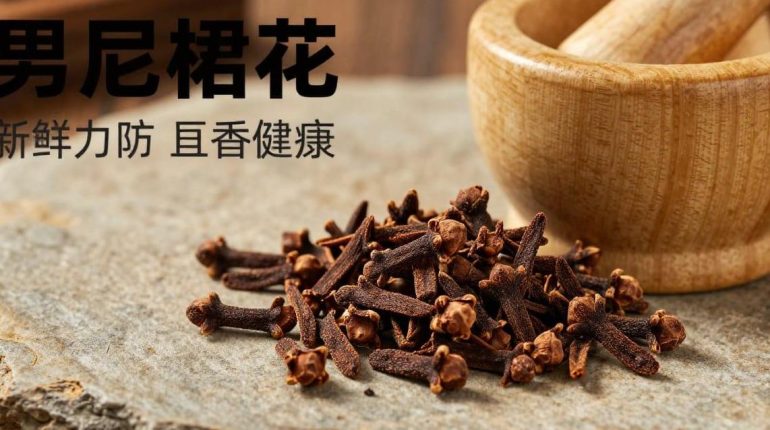
Behind the warm aroma that scents kitchens lies a plant with virtues documented for millennia. The clove, the dried flower bud of Syzygium aromaticum, native to Southeast Asia, has crossed centuries far beyond its culinary use.
This spice concentrates a remarkable chemical composition: powerful essential oils, plant antioxidants, vitamins, and minerals form a natural arsenal that Ayurveda and traditional Chinese medicine have exploited for generations. Ancient practitioners had empirically identified what laboratories confirm today.
At the heart of this effectiveness is eugenol, the majority phenolic compound representing up to 85% of the essential oil. This aromatic molecule explains the characteristic smell of the clove, but above all its recognized antioxidant potential by modern research. Studies reveal that eugenol belongs to a class of molecules capable of interacting with cellular defense systems.
This convergence between ancestral knowledge and scientific validation illustrates how certain traditions intuitively targeted substances whose mechanisms of action are now elucidated. The clove is no longer just a spice: it is a concentrate of active compounds whose biological effects are beginning to be precisely mapped.
Eugenol: The Protective Molecule At The Heart Of The Clove
This molecule identified by laboratories operates according to a precise mechanism: it neutralizes free radicals, those unstable molecules that attack cell membranes and accelerate tissue degradation. Eugenol acts as a molecular shield by donating an electron to free radicals, thus stopping the destructive chain reaction.
Oxidative stress, the result of the accumulation of these radicals, is directly linked to premature cellular aging and the loss of the body’s resilience. Phenolic compounds like eugenol intervene by strengthening natural antioxidant enzyme systems: superoxide dismutase, catalase, and glutathione peroxidase.
In vitro studies show that eugenol has a superior antioxidant capacity compared to many synthetic compounds. This effectiveness is explained by its particular chemical structure: an aromatic ring coupled with a hydroxyl group which gives it optimal reactivity against reactive oxygen species.
Beyond simple neutralization, eugenol modulates the expression of genes involved in the cellular response to stress. This dual-level action—immediate protection and gene regulation—explains why a common spice contains a cellular preservation potential that pharmacology is only beginning to exploit. The ancestrally sensed mechanisms now find their validation in documented biochemical pathways.
Traditional Applications And Targeted Health Benefits
These molecular mechanisms translate into concrete applications observed for centuries. The use of cloves in oral hygiene is based on the progressive release of eugenol upon contact with mucous membranes: populations in Southeast Asia chewed whole cloves to neutralize bacteria responsible for bad breath, a practice validated by the analysis of the spice’s antimicrobial activity.
Protection of ocular structures represents a lesser-known but scientifically documented application. Retinal cells, permanently exposed to light and oxygen, undergo intense oxidative stress. The phenolic antioxidants in cloves cross the blood-retinal barrier and help preserve the integrity of photoreceptors. This protective action is part of a long-term nutritional strategy to maintain visual function.
Inflammatory balance constitutes another field of action. Laboratory studies show that eugenol inhibits cyclooxygenase-2 and modulates the production of pro-inflammatory cytokines, without blocking the physiological inflammatory processes necessary for healing. This fine regulation explains why Ayurvedic traditions prescribed cloves for chronic digestive imbalances.
Digestive comfort appears closely linked to immunity: 70% of immune cells reside in the gut. The aromatic compounds of cloves promote the secretion of digestive enzymes and strengthen the intestinal barrier, creating a balanced systemic environment. These convergent effects, from the mouth to the digestive system, reveal a biological coherence that the fragmented use of isolated molecules cannot reproduce.
Practical Instructions: Integrating Cloves Into Daily Life
These biological properties find their full expression in simple gestures, without excessive sophistication. Daily infusion is the most accessible method: steep 3 to 4 whole cloves in a cup of simmering water, let infuse for 5 to 10 minutes, then strain. This preparation gradually releases eugenol and volatile compounds, creating a bioactive aromatic drink to be consumed in the morning to stimulate digestion or in the evening for its soothing effect. The optional addition of a cinnamon stick or a lemon slice amplifies the antioxidant profile without altering the central action of the clove.
Occasional chewing of a whole clove after meals reproduces the ancestral Asian practice: the slow release of essential oils upon contact with saliva provides natural oral freshness while promoting enzyme secretion. This method, however, requires strict moderation due to the aromatic potency which can irritate sensitive mucous membranes.
Culinary incorporation proves to be the most versatile: a few cloves infused in a vegetable broth, added to a basmati rice dish, or incorporated into an apple compote release their active principles without excessive thermal denaturation. Small quantities are systematically sufficient, as the eugenol concentration of a single clove (15-20% of its weight) far exceeds daily needs.
Precautions remain essential: pure essential oil, containing up to 85% eugenol, requires systematic dilution and must never be applied directly to mucous membranes. People under anticoagulant treatment or suffering from liver pathologies should consult a professional before regular use. Balance remains the key to beneficial and sustainable use.