What once seemed like pure science fiction may soon become reality: Chinese scientists are developing the world’s first pregnancy robot, capable of carrying a fetus to term inside an artificial womb. The project has ignited awe, hope, and fierce ethical debate worldwide.
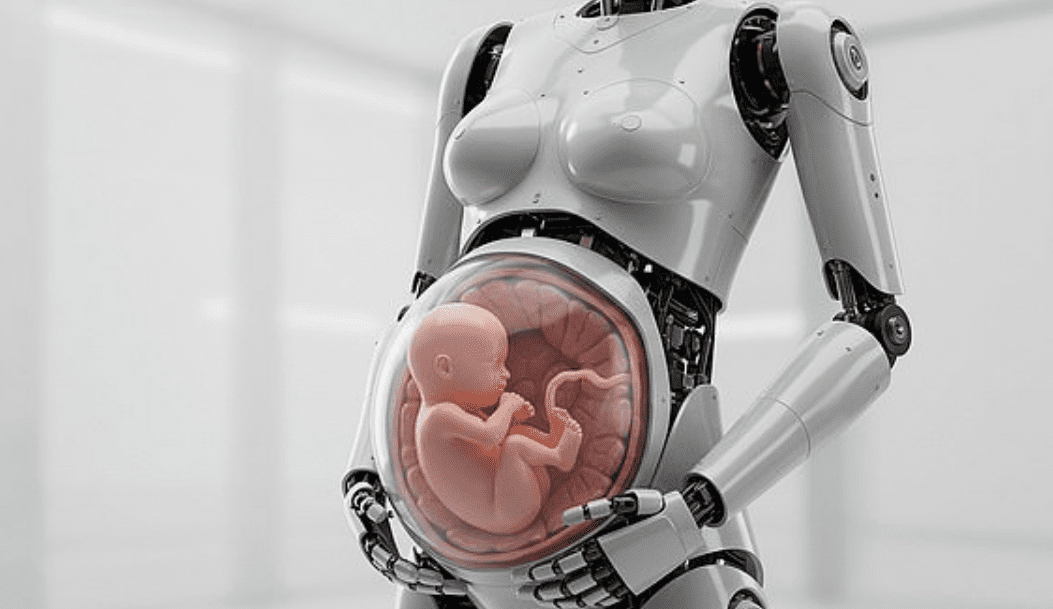
In a groundbreaking development that has stirred global fascination and controversy, scientists in China are working on the world’s first pregnancy robot—a humanoid machine designed to carry a fetus to full term and give birth to a live baby. This revolutionary project, spearheaded by Dr. Zhang Qifeng, founder of Kaiwa Technology, aims to replicate the entire natural pregnancy process inside a robotic body equipped with an artificial womb.
How the Pregnancy Robot Works
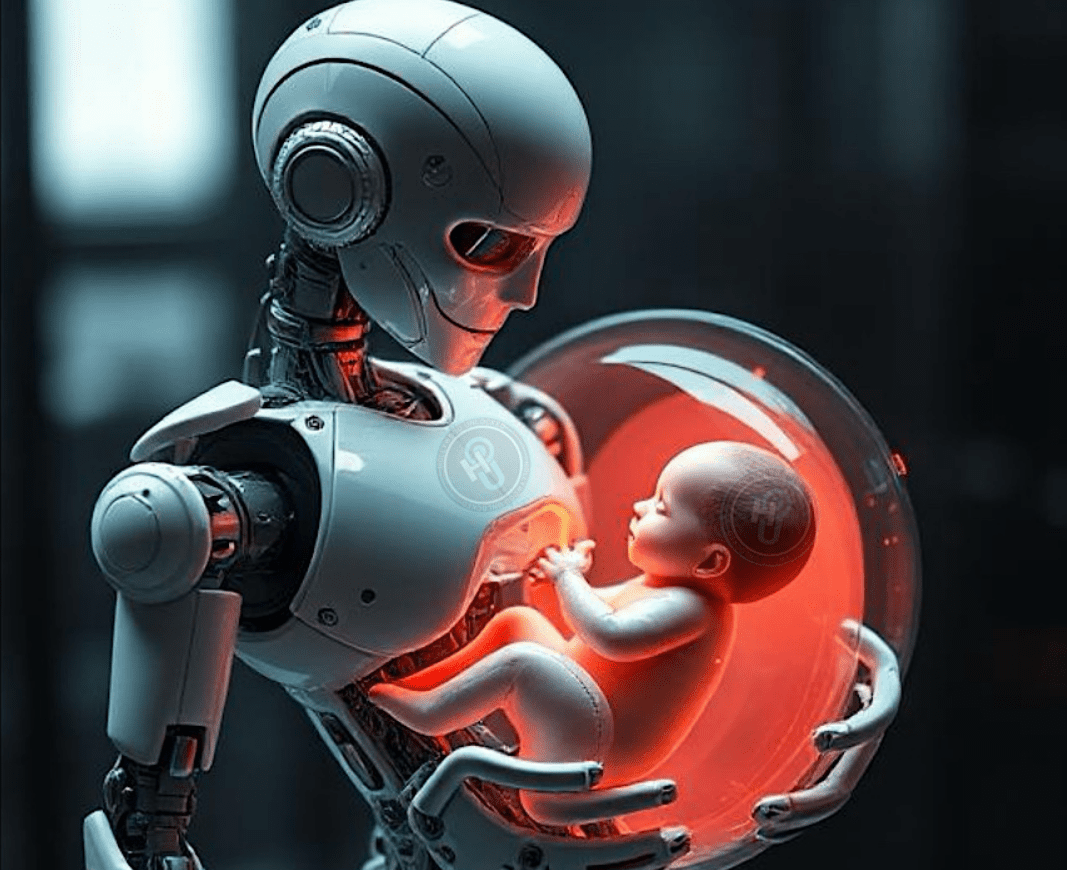
According to reports from Daily Mail and Yahoo News, the robot would contain a sophisticated artificial womb chamber. Inside, a fetus could grow in synthetic amniotic fluid, simulating the conditions of a human womb. Specialized hoses would deliver nutrients and oxygen, functioning like a placenta and umbilical cord.
The humanoid structure is designed to model pregnancy itself — from conception through labor. While specifics about fertilization and implantation remain undisclosed, the concept builds on earlier breakthroughs such as the “biobag” experiment, which sustained premature lambs outside their mothers for weeks.
Dr. Zhang asserts the technology is already at a “mature stage,” with a working prototype possibly being revealed as soon as next year.
The Promise of Artificial Pregnancy
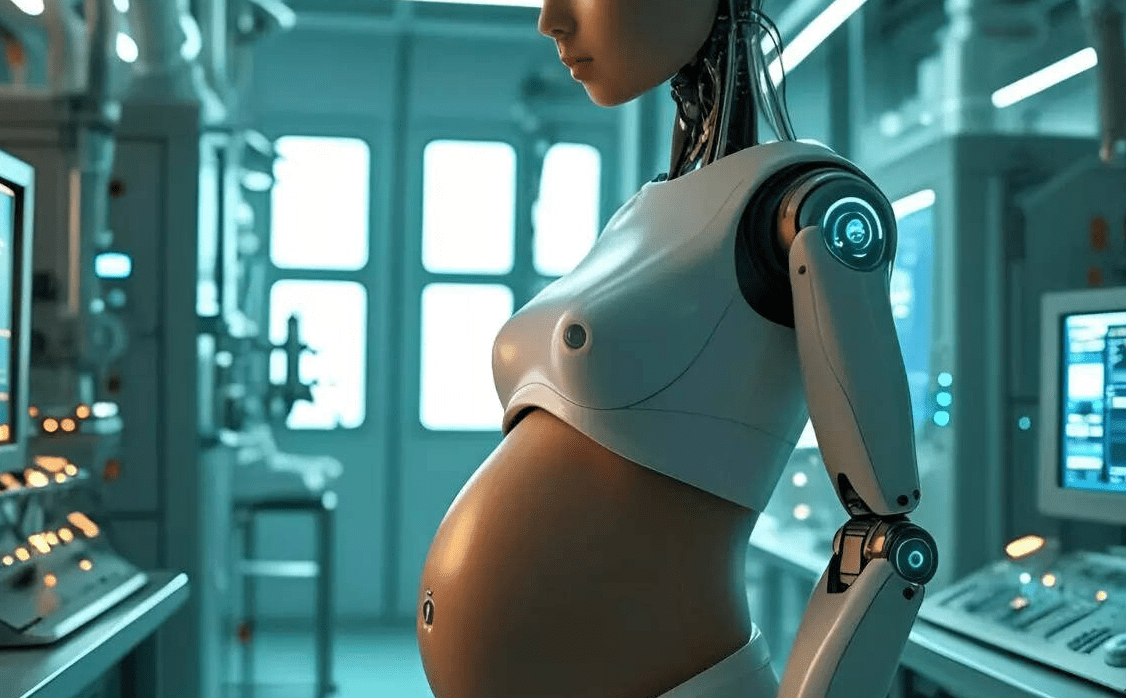
If successful, this innovation could mark one of the most radical shifts in human reproduction in history. Advocates believe it might:
Relieve women from the physical and emotional toll of pregnancy.
Provide new options for infertile couples and families facing high-risk pregnancies.
Address fertility crises in countries with declining birth rates.
Reduce maternal health risks and complications.
In theory, pregnancy robots could redefine parenthood, reshaping how humanity views family, childbirth, and even biology itself.
The Ethical Debate
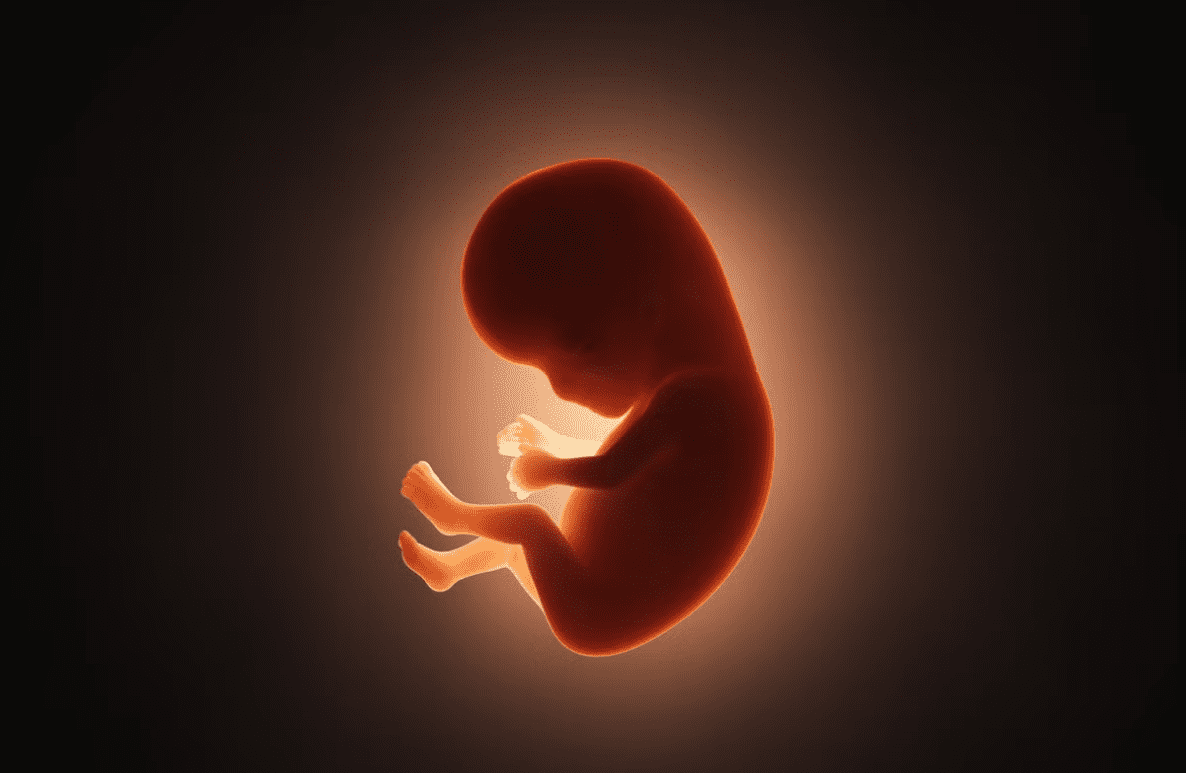
Despite its potential, the project has ignited intense ethical and moral concerns. Critics argue that artificial gestation could weaken or even sever the natural maternal bond crucial to emotional development. Others fear misuse — from commercialized reproduction to the possibility of “designer babies” or government-controlled population programs.
Bioethicists warn that while artificial wombs might solve medical challenges, they could also unleash profound cultural and social consequences humanity may not yet be ready to confront.
The pregnancy robot stands at the crossroads of innovation and controversy. Once confined to science fiction, it is now edging toward reality. As China advances with this ambitious project, the world will watch closely — not only for the scientific breakthroughs but also for how society wrestles with the moral questions of creating life outside the human body.
Whether praised as a miracle of technology or condemned as an unnatural disruption, one fact is clear: the pregnancy robot could redefine the future of human reproduction forever.