The Origin And Particularity Of Angel Biscuits
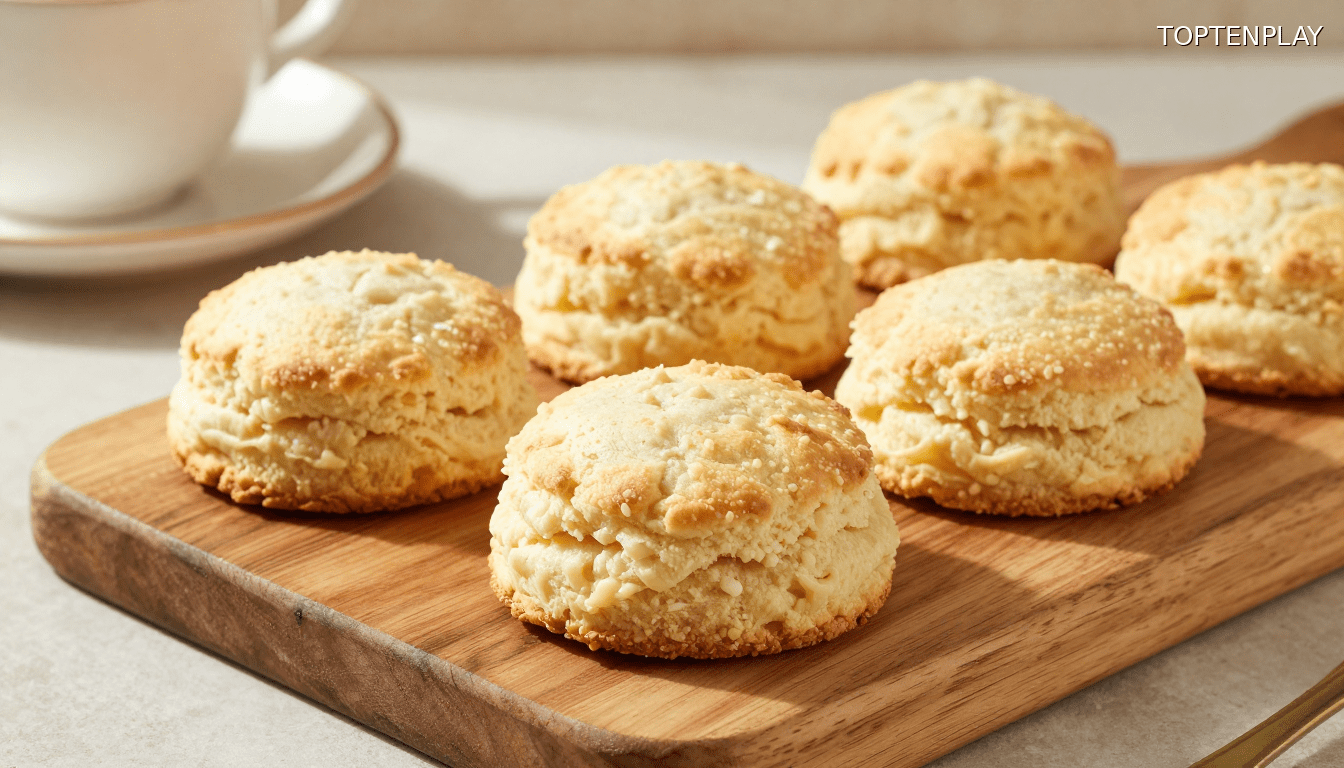
In the kitchens of the American South, an ancestral recipe continues to seduce the most demanding palates. Angel Biscuits, literally “biscuits of the angels,” take their evocative name from a texture so light and airy that it promises a celestial taste experience. This traditional specialty is distinguished by its distinctive buttery flavor and remarkable versatility, fitting in just as well at breakfast as at brunch or as a refined accompaniment.
The culinary heritage of the Southern United States reveals all its sophistication here. Unlike conventional biscuits, this gastronomic creation combines soft tenderness and delicate fluffiness, the result of expertise passed down from generation to generation. The recipe perfectly embodies the art of transforming simple ingredients into a true pastry delight.
This iconic preparation is now conquering tables far beyond Southern borders. Its reputation rests on a simple but irresistible promise: every bite offers that characteristic lightness that fully justifies the angelic name. Mastering this recipe, however, requires a precise understanding of its unique composition and specific techniques.

The Unique Composition Of The Recipe
The secret to this airy texture lies in a bold technical formula: triple leavening action. Unlike traditional recipes, Angel Biscuits simultaneously combine active yeast, baking powder, and baking soda. This unusual association, using 1 packet of active yeast (1/4 ounce), 3 teaspoons of baking powder, and 1 teaspoon of baking soda, constitutes the distinctive signature of this preparation.
The structural base rests on 5 cups of all-purpose flour, to which are added balanced proportions of sugar (1/4 cup) and salt (2 teaspoons). This precise balance guarantees the characteristic gustatory subtlety. The richness comes from two essential components: 1 cup of shortening incorporated into the flour, and 2 cups of buttermilk which provide the acidity necessary for activating the soda.
This combination of ingredients explains why Angel Biscuits stand out from classic biscuits. The buttermilk imparts that slightly tangy flavor, while the shortening ensures the delicate flakiness. The triple fermentation creates multiple air pockets, producing this incomparable lightness. Each component plays a precise role in the final architecture, transforming a seemingly simple recipe into a refined gastronomic creation. Mastering these proportions determines the success of the preparation.

The Preparation Technique Revealed
Success begins with the precise activation of the yeast: dissolve the packet in 1/4 cup of water maintained between 110 and 115°F. This specific temperature activates the microorganisms without destroying them, triggering the initial fermentation. A deviation of a few degrees irremediably compromises this fundamental step, explaining why many attempts fail.
While the yeast is working, incorporate the shortening into the flour until a grainy texture resembling coarse sand is obtained. This step, called cutting in, traps fat particles that will create the flakiness during baking. The progressive integration of buttermilk follows this phase, adding the liquid in small quantities to control hydration. The dough must remain supple without becoming sticky.
The finish with melted butter, generously applied before and after baking, gives that characteristic golden shine and intensifies the buttery flavor. This double application distinguishes Angel Biscuits from ordinary preparations. The resting time between kneading and shaping allows the yeast to fully develop its action, while the chemical agents will act mainly in the oven.
These technical gestures, passed down from generation to generation in the American South, transform simple ingredients into an airy delight. The rigor of each manipulation determines the final result, proving that culinary excellence rests as much on the method as on the composition.