📌 Aloe vera and cinnamon: this plant duo improves digestion and circulation according to the latest research
Posted 13 March 2026 by: Admin
Aloe Vera And Cinnamon: A Natural Duo With Little-Known Virtues
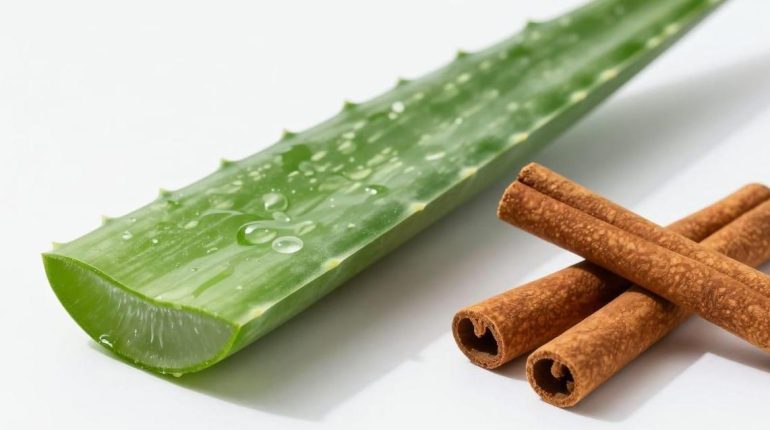
On one hand, the translucent freshness of a carefully washed aloe vera leaf. On the other, the warm aroma of a cinnamon stick releasing its spicy notes in the kitchen. These two ingredients, seemingly opposites, now form one of the most rediscovered wellness associations across different cultures.
This complementarity between freshness and warmth is not just a matter of sensation. Aloe vera contains plant compounds studied for their relationship with tissue hydration and inflammatory balance. Cinnamon concentrates polyphenols and aromatic compounds associated with documented antioxidant activity. Together, they create a balance that appeals as much to fans of traditional remedies as to those seeking daily wellness rituals anchored in tangible foundations.
Contrary to the exaggerated promises flooding social media, this combination does not claim to solve all ills. It is instead a simple, reproducible gesture that encourages more conscious choices: better hydration, less processed food, attention to the body’s signals.
What makes this duo particularly interesting is its ability to integrate naturally into a routine without disrupting habits. Two to three times a week is enough to observe how the body reacts to these ingredients with complementary properties. But before exploring their potential benefits, a warning is necessary regarding a mistake that almost everyone makes.
The Critical Mistake Everyone Makes With Aloe Vera
This warning specifically concerns how aloe vera is prepared. If you have ever felt digestive cramps or a sudden laxative effect after consuming aloe, the cause was likely not an intolerance, but a preparation error.
An aloe vera leaf contains two distinct components: the transparent gel in the center, edible and sought after for its properties, and a thin layer of yellow latex located directly under the skin. This layer contains aloin, a compound with powerful laxative effects that can cause digestive irritation, cramps, and major discomfort in many people.
The problem? This yellow layer often goes unnoticed during gel extraction. Without meticulous rinsing or proper technique, traces of aloin contaminate the gel, turning a potentially beneficial ingredient into a source of digestive trouble. The golden rule is clear: only use perfectly rinsed translucent gel, eliminating all traces of yellowish latex.
This precaution becomes even more crucial for certain profiles. People under treatment for diabetes, hypertension, or on anticoagulants must consult a healthcare professional before any regular use. Similarly, pregnant or breastfeeding women should avoid aloe vera as a precaution.
Once this preparation rule is mastered, the potential benefits of the aloe-cinnamon association can be expressed without unnecessary risk.
8 Potential Benefits Validated By Traditional Use
Beyond safety of use, this association sparks interest for concrete reasons. The observed effects range from the most immediate to the most diffuse, without ever claiming to be a miracle cure.
The structuring morning ritual is the first benefit: consciously preparing a natural drink upon waking creates an anchor that promotes more thoughtful food choices throughout the day. This simple gesture acts as a signal for the body and mind.
On the digestive level, cinnamon infusion after meals is traditionally used for intestinal comfort, while small amounts of aloe vera accompany certain digestive wellness routines. The effect remains gentle and progressive, not abrupt.
Light metabolic support is based on preliminary studies regarding cinnamon and glycemic balance, although results vary considerably depending on individuals and contexts. The warming sensation of cinnamon can also complement gentle physical activity like a post-meal walk.
Aloe vera also finds its place in skin care thanks to its well-documented refreshing and soothing properties. Finally, the improvement in mental clarity stems less from the ingredients themselves than from the overall improvement in habits: regular hydration, balanced diet, and consistent routine.
The most significant benefit remains perhaps psychological: the feeling of actively taking care of one’s health through simple and sustainable gestures. It remains to be seen how to translate these principles into concrete practice.
4 Practical Recipes And 30-Day Usage Protocol
Theory now finds its concrete application. Four simple preparations allow for integrating this natural duo into daily life, each meeting a specific objective.
The gentle aloe-cinnamon drink is the base: mix one tablespoon of transparent aloe vera gel in a glass of water, add a pinch of cinnamon and optional lemon drops. Consume slowly, 2 to 3 times a week for several weeks, then take a break.
The post-meal infusion is made by boiling a cinnamon stick for five minutes, letting it cool slightly, then incorporating a spoonful of aloe vera. This preparation usefully accompanies periods of dietary adjustment.
The soothing facial mask combines aloe gel, honey, and a tiny amount of cinnamon. Apply for 10 to 15 minutes avoiding the eye area, after a prior test on a small skin area.
The circulation smoothie mixes a carrot, a spoonful of aloe vera, water, and a pinch of cinnamon. The carrot provides beta-carotene, widely recognized for its role in eye health. Two to three times a week is enough.
The 30-day protocol starts cautiously: week 1 with two doses to observe digestive tolerance, weeks 2 and 3 with three doses while maintaining moderation, week 4 with two or three doses before a necessary break. A short daily walk reinforces the effects starting from the third week.
Formal warning: consult a healthcare professional if you are taking medication for diabetes, blood pressure, or anticoagulants, or in case of pregnancy, breastfeeding, or chronic digestive disorders. Excess aloe causes digestive discomfort, excess cinnamon can irritate. Moderation remains imperative, as even natural ingredients interact with the body.