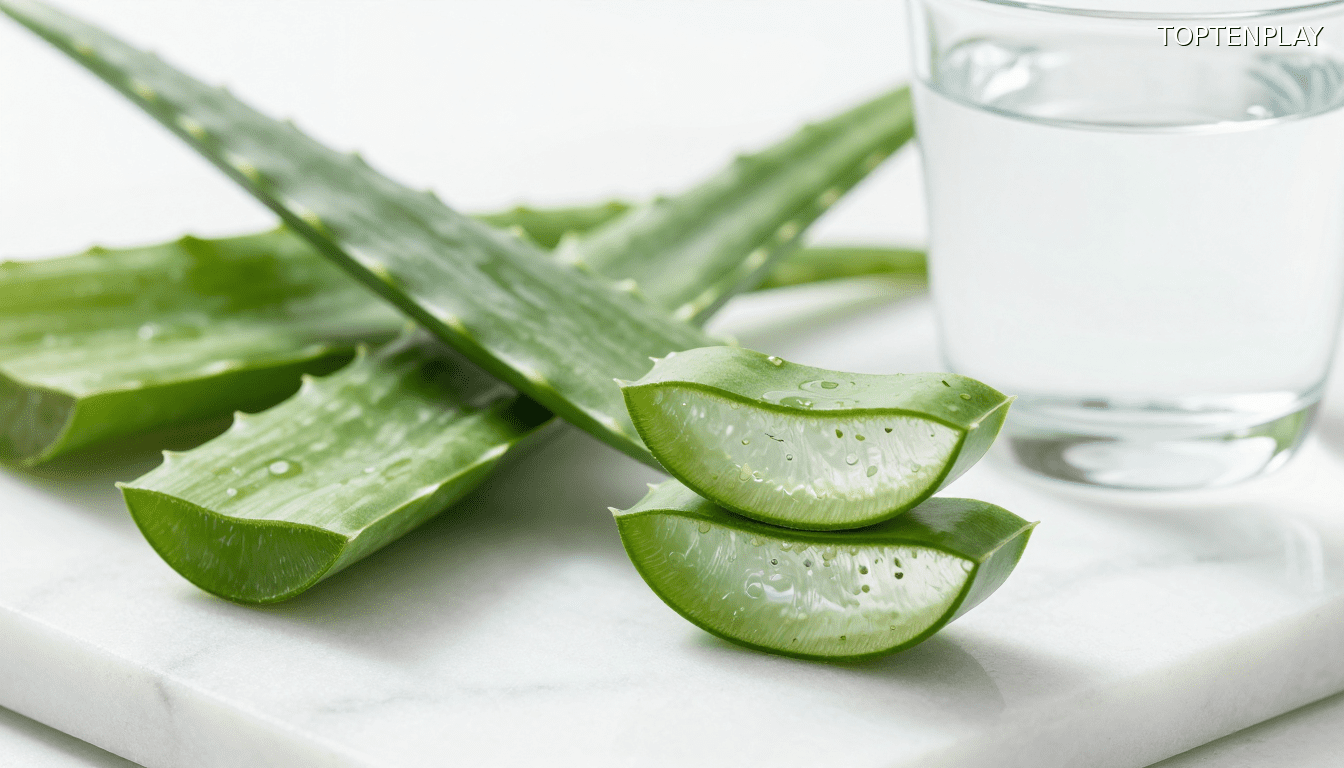
Aloe Vera In Juice Form: An Ancestral Tradition Revisited
Far beyond its topical use to soothe sunburns, aloe vera has experienced a second life for centuries: that of a plant-based drink integrated into traditional wellness routines. From Egyptian civilizations to Ayurvedic medicine, this liquid extracted from the fleshy heart of the plant has crossed the ages, carried by a reputation for hydrating gentleness and digestive support.
Aloe vera juice comes exclusively from the clear gel nestled inside the thick leaf, carefully harvested after removing the green skin and, above all, the yellow latex with its bitter taste and irritating effects. This meticulous extraction process guarantees a drink naturally rich in water, plant polysaccharides, and enzymes, while discarding aggressive compounds likely to disturb the body.
Contrary to the marketing promises flourishing on social media, aloe vera juice is neither a miracle cure nor an express solution. Its interest lies elsewhere: in its ability to complement an overall healthy lifestyle, alongside a balanced diet, sufficient hydration, and regular physical activity. This nuanced approach, rooted in consistency rather than excess, restores the plant to its rightful place: that of a discreet but documented plant ally.

17 Potential Benefits: From Hydration To Daily Vitality
This list of seventeen properties is neither invention nor fantasy. It compiles traditional uses and contemporary observations, without claiming universality. Every organism reacts differently, and results vary by individual, their lifestyle, and their general state of health.
Natural hydration comes first: composed of more than 99% water, aloe vera juice contributes to daily water balance. Next come plant enzymes which, in ancestral practices, accompany digestive comfort and promote gentle intestinal regularity. Some integrate it into their detox routines to support the liver and intestines, while its low calorie content appeals to those watching their weight without giving up flavor.
Antioxidants and polysaccharides present in the gel nourish immune defenses, while cellular hydration can influence perceived energy levels throughout the day. Fans of glycemic balance or cholesterol control associate it with their conscious menus, without seeing it as a medical substitution.
On the beauty side, hydration of the skin and scalp occurs from the inside, complementing external care. Plant anti-inflammatory compounds, documented in several preliminary studies, are part of a logic of cellular support against oxidative stress linked to aging. Finally, traditional use in gentle oral hygiene and the possible enhancement of nutrient absorption complete this multi-faceted picture.
No spectacular effects to expect, but an accumulation of potential micro-benefits which, over time, can contribute to a felt global well-being.

Home Preparation: Simple Recipe And Essential Precautions
Producing your own aloe vera juice requires neither sophisticated equipment nor special skills. A fresh leaf, a sharp knife, a blender, and water are enough. The method consists of seven steps: wash the leaf carefully, gently remove the green skin with a knife, extract only the inner clear gel, rinse this gel thoroughly to remove any residual bitterness, blend with one to two cups of water until smooth, add lemon or honey according to preference, and consume immediately.
The rinsing step is of critical importance: it eliminates traces of yellow latex, a bitter substance located between the skin and the gel, potentially irritating to the digestive system. This compound, rich in aloin, can cause cramps and intestinal discomfort if consumed, even in small quantities. Moderation is required from the start: starting with two to four tablespoons of gel mixed with water allows for individual tolerance assessment.