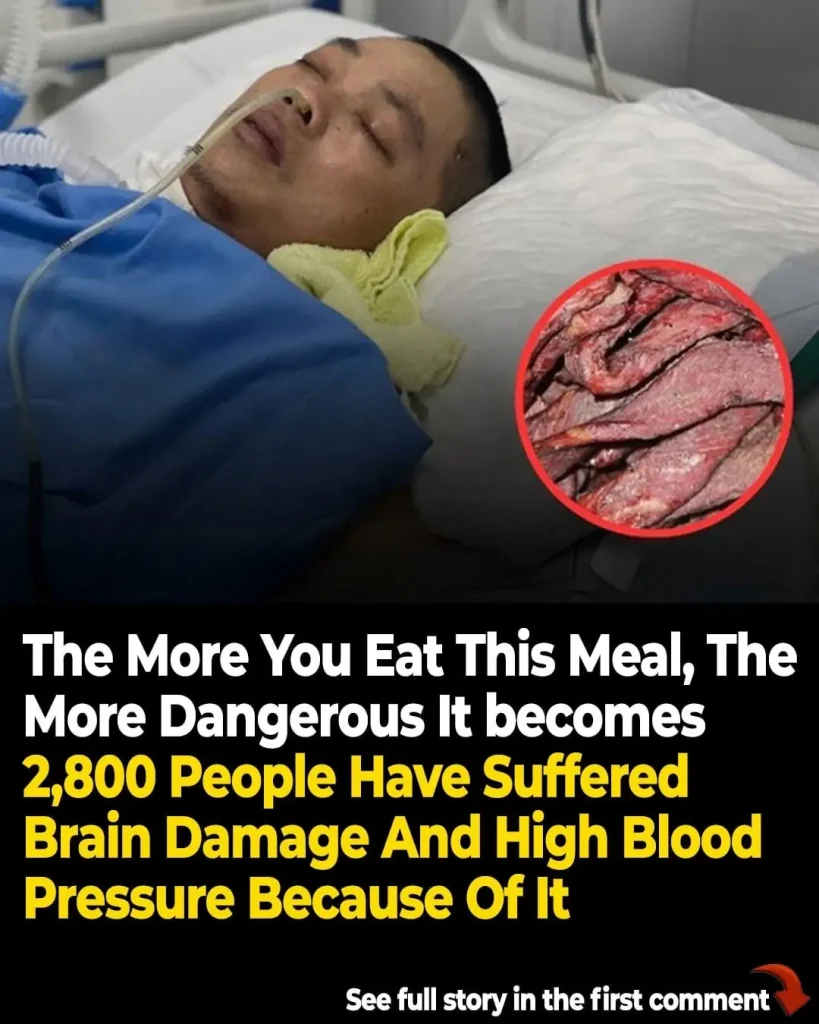
Processed meat — bacon, ham, sausages, hot dogs, and deli slices — has been formally classified as carcinogenic to humans by the World Health Organization’s cancer research arm, based on evidence linking regular consumption to colorectal cancer. Large long-term studies also connect daily intake to significantly higher risks of cardiovascular disease, type 2 diabetes, and, more recently, dementia. The science does not call for elimination, but it does make a clear case for treating these foods as occasional rather than everyday staples.
In brief
- —WHO cancer agency classifies processed meat as carcinogenic to humans
- —Each daily serving linked to 46% higher type 2 diabetes risk
- —Two servings per week associated with 14% higher dementia risk
IARC formally classifies processed meat as a cause of colorectal cancer
The International Agency for Research on Cancer, part of the World Health Organization, reviewed population studies and placed processed meat in its Group 1 category — carcinogenic to humans. The WHO states directly: "In the case of processed meat, this classification is based on sufficient evidence from epidemiological studies that eating processed meat causes colorectal cancer."

A common misreading of that classification is that it puts bacon on the same danger level as cigarettes. The WHO and the American Cancer Society both clarify that Group 1 describes the strength of the evidence, not the magnitude of the risk. The ACS notes: "IARC considers there to be strong evidence that both tobacco smoking and eating processed meat can cause cancer" — while making clear that smoking carries a far greater absolute risk.
What the classification does establish is that the association is not a rumor or a preliminary finding. It is based on multiple large studies tracking diet and cancer outcomes across populations, adjusted for other risk factors. When a food category reaches "sufficient evidence" for causing cancer, the practical response is to reduce frequency and portion size — especially if it has become a daily habit.
What counts as processed meat
Public health research defines processed meat as any meat preserved through smoking, curing, salting, or the addition of chemical preservatives — a definition used by Harvard School of Public Health researchers. This covers bacon, ham, hot dogs, sausages, salami, and most deli slices. These products typically contain far more sodium and nitrate preservatives than fresh, unprocessed meat, and they frequently appear as ingredients in mixed dishes such as pizzas, pies, and ready meals, making weekly exposure easy to underestimate.
Nitrates, curing agents, and the chemical pathway to cancer risk
Most processed meats rely on nitrate and nitrite compounds to control bacteria, stabilize color, and create the characteristic cured flavor. Inside the body, these compounds can react to form N-nitroso compounds (NOCs), several of which are carcinogenic in animal models and are associated with higher cancer risk in human studies.

The National Cancer Institute’s Cancer Trends Progress Report links this mechanism to real outcomes: "Studies have shown increased risks of colon, kidney, and stomach cancer among people with higher ingestion of water nitrate and higher meat intake compared with low intakes of both, a dietary pattern that results in increased NOC formation."
Vegetables also contain nitrate, yet they deliver vitamin C, polyphenols, and fiber that may limit harmful nitrosation reactions in the gut. Processed meat is different: curing agents arrive alongside heme iron, high-heat cooking, and typically low-fiber meals. The risk is not one ingredient in isolation — it is a bundled set of exposures that tends to travel together, especially when processed meat replaces fiber-rich foods across the week.
Suggested Posts

AI could lift bank returns to 14%—but half of projects fail
Artificial intelligence promises to lift bank profitability and reshape competitive rankings, but the path is proving far slower and more hazardous than early enthusiasm…