Diet is one of the most documented modifiable factors in cancer risk, with poor food choices and physical inactivity identified as two key contributors to cancer development. A growing body of research has examined specific foods — from cruciferous vegetables to medicinal mushrooms — whose bioactive compounds have been shown in studies to inhibit tumor growth, trigger cancer cell death, or reduce inflammation. No single food eliminates cancer, but the evidence behind these seven is among the most substantial available.
In brief
- —50g of processed meat daily linked to 20% higher colorectal cancer risk
- —Broccoli sprouts hold up to 100x more sulforaphane than mature broccoli
- —Over 1,300 PubMed studies have examined curcumin’s anti-cancer properties
Processed meat, excess weight, and the diet-cancer link backed by large studies
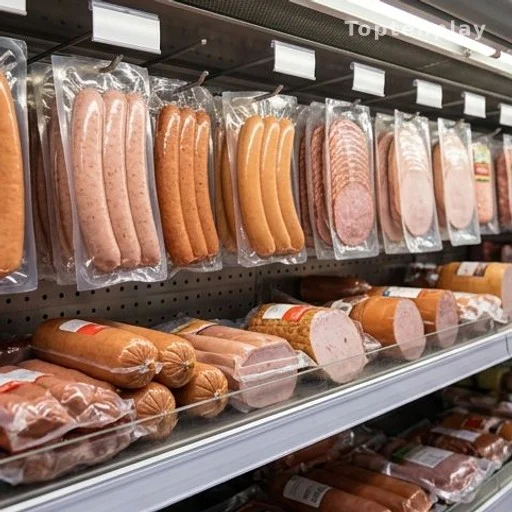
The connection between diet and cancer is well established in epidemiological research. About 30 prospective studies of colorectal cancer — the third most diagnosed cancer in men — found that consuming 50 grams of processed meat per day (roughly two ounces) is associated with a 20% increase in colorectal cancer risk. Researchers attribute this largely to added nitrates and heme iron, both of which have been linked to increased cancer risk.
Body weight is another documented variable. A 2014 study published in The Lancet, drawing on data from 5 million people, found that a gain of 34 pounds was linked with a 10% or higher risk for colon, gallbladder, kidney, and liver cancers. According to the researchers, body fat produces hormones and inflammatory proteins that can promote tumor cell growth.
The broader dietary picture matters too. A poor diet can undermine other cancer-prevention efforts, and research has shown it can be a direct contributor to cancer development on its own. Replacing processed, fried, and refined foods with plant-based proteins, healthy fats, leafy greens, and fresh fruit is the dietary foundation recommended before the specific foods below can have their greatest effect.
Why diet matters in cancer prevention
Cancer risk is shaped by a combination of genetic, environmental, and lifestyle factors. Diet and physical inactivity are two of the most consistently documented modifiable risk factors, identified across decades of epidemiological research. The foods examined here do not replace medical treatment, but their bioactive compounds have been the subject of peer-reviewed studies ranging from laboratory models to human clinical trials.
Cruciferous vegetables and turmeric: sulforaphane and curcumin lead the research
Cruciferous vegetables — broccoli, kale, cauliflower, Brussels sprouts, cabbage, and others — are among the most studied foods for cancer prevention. They contain glucosinolates, compounds that help detoxify carcinogens, as well as sulforaphane and Indole-3-Carbinol (I3C). Sulforaphane, found in especially high concentrations in broccoli sprouts, has been shown in research to inhibit cancer cell growth, promote apoptosis, and enhance carcinogen detoxification.

Preparation method significantly affects potency. Glucosinolates can decrease by 18–59% when cruciferous vegetables are cooked for 9 to 15 minutes. Lightly steaming rather than boiling helps preserve these compounds. Broccoli sprouts are particularly valuable: they contain 10 to 100 times more sulforaphane than mature broccoli. Pairing them with mustard seeds or daikon radish, which contain the enzyme myrosinase, can further activate sulforaphane for better absorption.
Turmeric’s active compound, curcumin, is the subject of more than 1,300 studies listed on PubMed, including clinical trials in humans. Research published in Cancer Letters (2015) found that curcumin can block the NF-κB pathway, a major driver of inflammation and cancer cell survival. A separate study in Molecular Cancer Therapeutics (2007) demonstrated that curcumin activates pro-apoptotic proteins while inhibiting anti-apoptotic ones, leading to cancer cell death.
Suggested Posts

Social Security runs dry in 2032: why bond markets could crack first
Social Security's main trust fund is on track to run out of money in the fourth quarter of 2032 — and if Congress fails…