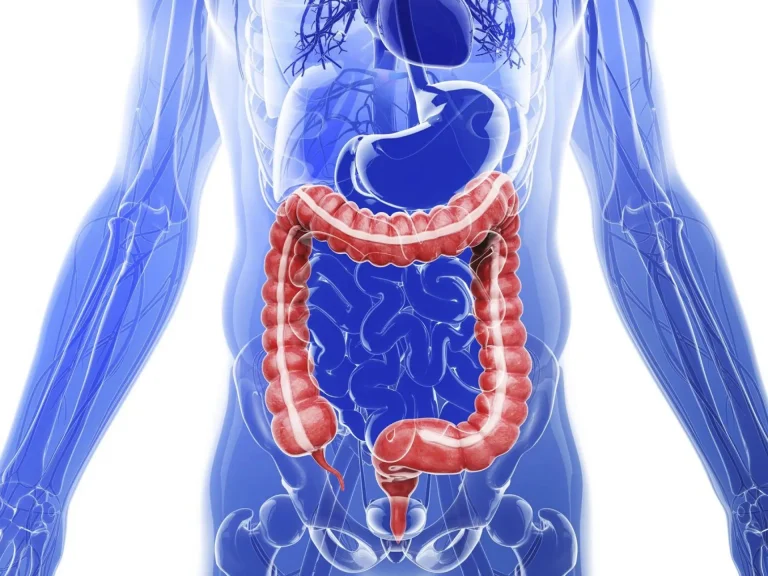
The organ does, however, retain a remarkable capacity to heal itself. If the underlying cause is identified and corrected early enough, liver cells can rebuild — making early recognition genuinely life-changing rather than merely reassuring.
Four leading causes: fructose, seed oils, common medications and hidden viruses
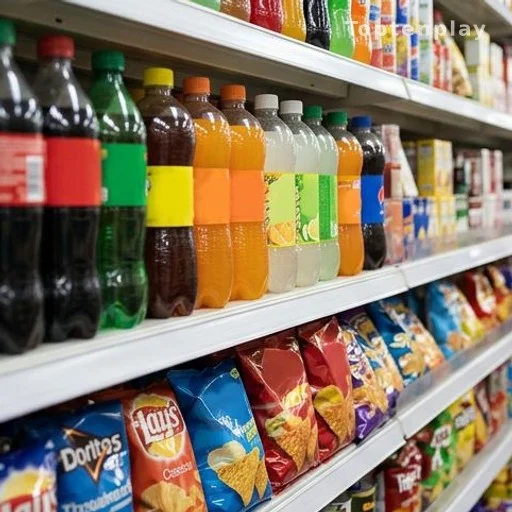
Excess industrial fructose — found in sodas, energy drinks and processed juices — is one of the most underestimated threats. The liver converts surplus fructose directly into fat, fuelling non-alcoholic fatty liver disease (NAFLD), now described as one of the fastest-growing liver diseases worldwide, including among children.
Industrial seed oils such as corn, soy, canola and sunflower are high in omega-6 fatty acids and prone to oxidation when heated. The resulting oxidized fats promote inflammation and cellular damage. Replacing them with olive oil, avocado oil or butter is cited as a way to significantly reduce liver stress.
Common over-the-counter drugs are another overlooked factor. Large or frequent doses of acetaminophen or ibuprofen are well-documented culprits; some antibiotics, cholesterol medications and antifungals can also strain the liver with long-term use, particularly when combined with alcohol.
Finally, hepatitis B and C viruses can trigger chronic infection that causes years of silent inflammation and gradual scarring. Many people carry these infections without any awareness — which is why routine blood testing is described as essential for early, highly manageable detection.
NAFLD: a disease that now affects children
Non-alcoholic fatty liver disease has become one of the fastest-growing liver conditions globally, driven largely by diets high in refined sugars and industrial fructose. Unlike alcohol-related liver disease, NAFLD can develop in people who rarely or never drink — and it is increasingly diagnosed in children. Hepatitis B and C remain additional major drivers of chronic liver damage worldwide, often going undetected for years without routine screening.
From dark urine to swollen ankles: the 10 signs ranked by visibility
The earliest and most easily dismissed sign is a dull pressure or ache under the right rib cage, sometimes radiating to the right shoulder or back. This is not pain from the liver itself but from swelling pushing against surrounding tissues.
Suggested Posts

Social Security runs dry in 2032: why bond markets could crack first
Social Security's main trust fund is on track to run out of money in the fourth quarter of 2032 — and if Congress fails…