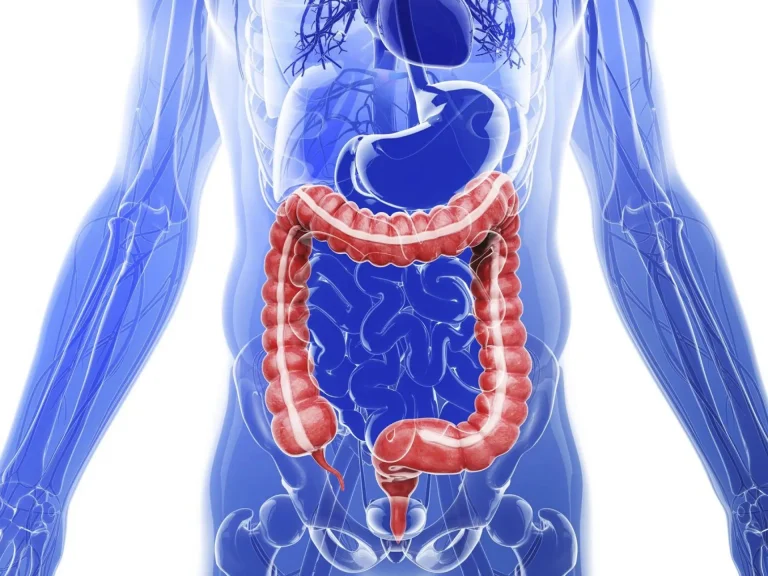
A noticeable drop in energy and stamina follows — the liver stores and releases glucose, the body’s main fuel source, and when it is sluggish, energy regulation falters. Toxins that are not properly filtered also circulate in the blood, compounding chronic fatigue.
Skin changes offer two distinct clues. Persistent itching without a rash — especially on the hands and feet, worse at night — occurs when bile salts accumulate in the bloodstream and irritate nerve endings. Separately, tiny web-like red marks called spider angiomas appear when excess estrogen, which the liver normally processes, builds up in the blood. In men, this hormonal imbalance can also cause breast tissue growth and leg-hair thinning.
Two metabolic signals are easy to overlook. Because the liver converts inactive thyroid hormone T4 into its active form T3, reduced liver function can produce hypothyroid-like symptoms — fatigue, hair loss and rising cholesterol — even when the thyroid itself is healthy. Similarly, persistently low vitamin D despite supplementation or sun exposure may reflect the liver’s failure to activate the vitamin properly.
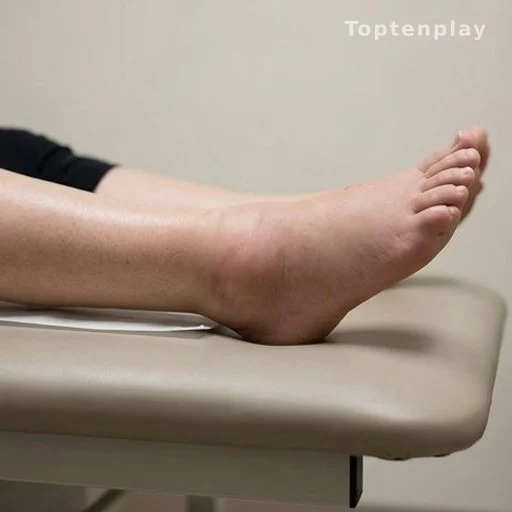
The three most urgent signs involve visible body changes. Dark, tea-colored urine points to bilirubin buildup — a waste product the liver normally removes — signalling that the filtration system is struggling or bile ducts are blocked. Pale or clay-colored stools that may float indicate impaired bile production, since bile is what gives stool its brown color. Finally, swelling in the feet and ankles — pitting edema that leaves a dent when pressed — results from scar tissue restricting blood flow and pushing fluid into surrounding tissues. Deep sock marks around the ankles are a concrete physical cue to act.
Blood tests, dietary changes and the case for acting before damage becomes permanent
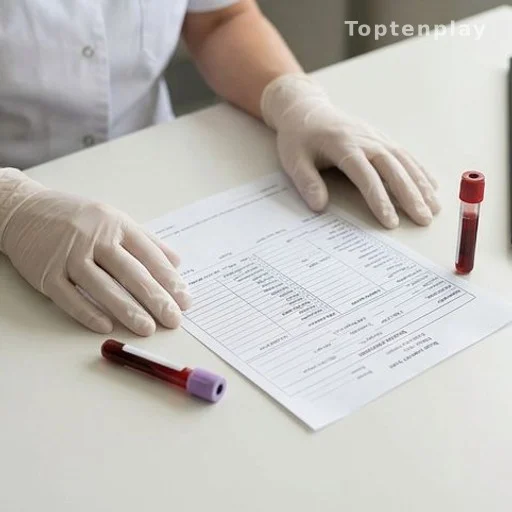
The first recommended step is a medical check-up. Physicians can order liver enzyme blood tests — measuring ALT, AST, ALP and bilirubin — alongside ultrasound imaging to assess inflammation, fat buildup or fibrosis. For anyone with potential exposure, testing for hepatitis B and C is equally important.
Dietary adjustments are the most directly documented lever. Eliminating processed sugars and industrial seed oils, eating liver-supportive foods such as leafy greens, beets, cruciferous vegetables and garlic, staying hydrated and maintaining a healthy weight are all cited as concrete steps. Limiting or avoiding alcohol and unnecessary medications reduces additional strain.
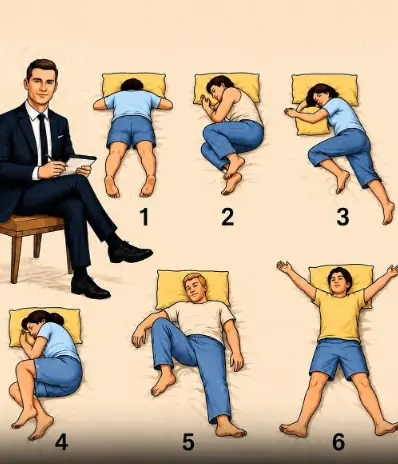
Chronic stress and sleep deprivation raise cortisol levels, which indirectly increase liver inflammation — making rest and stress management part of the clinical picture, not merely lifestyle advice.
The window for reversal is real but time-sensitive. Liver disease caught late often requires lifelong management; caught early, it is described as one of the most reversible conditions in modern medicine. The earlier the intervention, the greater the likelihood of restoring function before scarring becomes irreversible.
Suggested Posts

AI financial advice: biased, inconsistent and sometimes just wrong
Artificial intelligence tools give personal finance advice that can be inaccurate, inconsistent and demographically biased — and the results vary significantly depending on which…