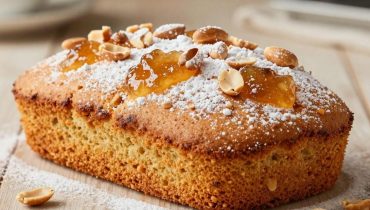
📌 Yogurt cake: olive oil and cornstarch radically transform its texture
Posted 31 December 2025 by: Admin
The Secrets Of Perfect Moistness: The Science Of Ingredients
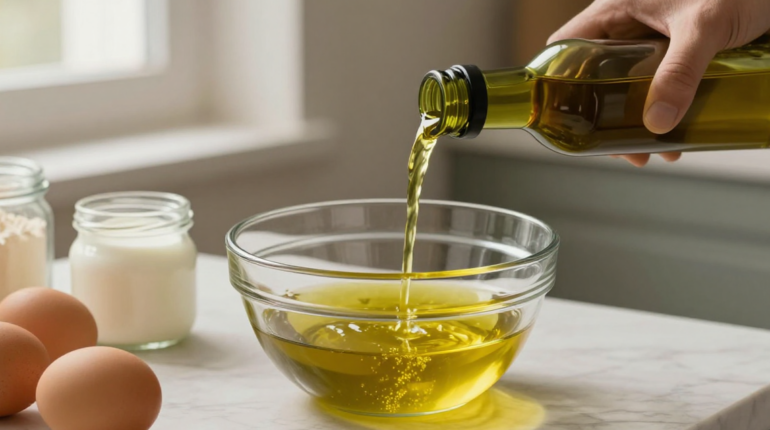
Olive oil radically transforms the texture of a yogurt cake thanks to its intense moistening power, far superior to traditional butter. A mild oil, at a rate of 3/4 to one pot, guarantees exceptional tenderness without altering the taste.
The choice of yogurt directly determines the final result. Forget classic plain yogurt: fromage blanc, Greek yogurt, or the addition of a spoonful of crème fraîche provide the necessary fats. The richer the dairy product, the moister and airier the cake becomes. Drinking yogurt offers an interesting alternative for pronounced moistness, although it is less airy.
Cornstarch instantly lightens the structure. The half-flour, half-starch option is suitable for traditional preparations, while a 100% starch version allows for a gluten-free cake while maintaining moistness.
Baking soda is the unsung miracle product: a simple quarter teaspoon combined with half a packet of baking powder is enough to transform the texture. This combination guarantees optimal expansion of the batter during baking.
These four technical elements — olive oil, rich dairy products, starch, and baking soda — work in synergy to create this characteristic melting texture. Their effectiveness, however, relies on a precise incorporation method that entirely conditions success.
Technical Gestures That Change Everything
Mastering the incorporation gestures directly conditions the final texture. Whisking egg whites separately creates an airy structure without compromising creaminess: this simple technique transforms an ordinary cake into a light and voluptuous preparation.
Mixing time represents the most critical element. Incorporate all ingredients except the flour, mix in less than 6 to 8 seconds, then add flour, baking powder, and baking soda while stirring very quickly: this precise chronology avoids overworking the gluten which would toughen the texture. No lumps should remain, but speed of execution takes precedence over everything.
Resting the batter for 20 to 30 minutes before baking allows the ingredients to stabilize and the baking powder to act effectively. This step determines the cake’s ability to rise uniformly during baking.
Upon leaving the oven, immediately covering the cake with aluminum foil creates an artificial steam room. The trapped moisture maintains the moistness and prevents the rapid drying characteristic of failed versions.
These four gestures — whipped whites, ultra-fast mixing, prolonged rest, and immediate covering — form an infallible technical sequence. Their rigorous application guarantees a professional result, but some creative alternatives allow for exploring other taste dimensions.
Expert Alternatives And Variations
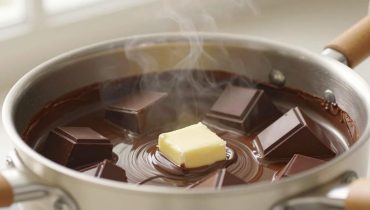
Beyond the classic recipe, several substitutions radically transform the flavor profile without sacrificing texture. Melted white chocolate advantageously replaces olive oil: it produces a compact moistness, denser than the airy version obtained with liquid fats, while providing a subtle sweetness that enriches the snack.
For fruit versions, apple compote surpasses fresh slices. “Much lighter for making the cake rise,” it integrates the necessary moisture without weighing down the batter or creating water pockets that would compromise the uniform rise.
Cooks faced with a lack of baking powder have two proven solutions. Replacing one packet with a teaspoon of baking soda works perfectly. Alternatively, beating egg whites with powdered sugar fixes air bubbles in the batter: this ancestral method guarantees lightness and moistness without additives.
The oil-free version requires 180g of softened butter instead of three-quarters of a pot of olive oil. The result differs slightly — tighter texture, more pronounced flavor — but retains the essential moist character sought.
These variations allow the recipe to be adapted to ingredient constraints or taste preferences. However, even with the right choice of ingredients and technical gestures, certain baking problems can still compromise the final result.
Solving Baking Problems
Unsightly cracks on the top of the cake reveal an oven that is too hot. This excessive temperature quickly cooks the surface while the interior remains raw, creating structural tension that cracks the crust. The solution: check the thermostat accurately rather than relying on the approximate markings of your aging oven.
Premature darkening results from the same thermal imbalance. A faulty thermostat exposes the cake to excessive heat that caramelizes surface sugars before the core reaches its cooking temperature. Sliding a sheet of parchment paper over the top after fifteen minutes effectively protects against this unwanted browning.
The most pernicious error remains the untimely opening of the oven door. Every curious peek causes temperature fluctuations that disrupt the chemical rise: trapped gases escape abruptly, the structure partially collapses, and the moistness vanishes. Resisting the temptation to visually inspect progress is an act of culinary discipline.
To guarantee a homogeneous rise, systematically mix the baking powder with the flour before incorporation — this uniform distribution prevents dense zones where the leavening agent would be lacking. These technical adjustments, seemingly minor, separate the mediocre cake from the professional result that even Cyril Lignac would approve.