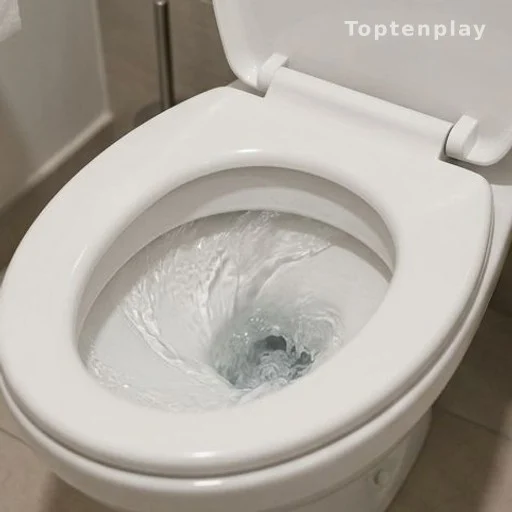
The problem is compounded when people flush repeatedly out of habit — "just to be sure," as the source describes it. According to the guidance, a single flush is sufficient after using the toilet. Additional flushes do not improve cleanliness; they only release more bacteria into the air.
Equally, flushing a toilet that has not actually been used serves no hygienic purpose. Avoiding unnecessary flushes is the first and most direct way to limit airborne contamination in your bathroom.
Closing the lid before flushing: a small step with a measurable impact
One of the most effective habits recommended is to always close the toilet lid before flushing. This single action acts as a physical barrier, containing the spray of particles that would otherwise disperse across the bathroom.
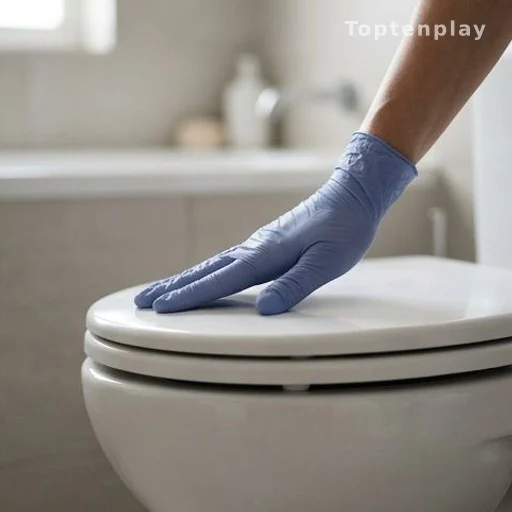
The source describes it as "a small change that can make a big difference in maintaining hygiene." The lid prevents airborne germs from reaching nearby surfaces, the floor, and objects stored in the bathroom.
Despite its simplicity, this habit remains widely overlooked. Making it automatic — closing the lid every time, without exception — is presented as one of the most reliable ways to keep bathroom air cleaner and safer on a daily basis.
What is toilet plume?
When a toilet is flushed, the force of the water creates a fine aerosol spray that carries microscopic particles — including bacteria — into the surrounding air. These particles can remain airborne for several minutes and settle on nearby surfaces. This is why the distance between a toilet and personal items like toothbrushes matters for everyday health.