Your toothbrush may be more contaminated than you think
Many people store their toothbrush on a shelf or counter near the toilet without considering the risk. According to the hygiene guidance, particles released during flushing can settle on nearby objects — including toothbrushes — and be introduced directly into the mouth during use.

The recommendation is clear: keep your toothbrush "as far away from the toilet as possible." Storing it in a cabinet, in a closed container, or on the opposite side of the bathroom significantly reduces this exposure.
This applies to other personal care items as well. Any object regularly brought into contact with the face or mouth benefits from being kept at a safe distance from the toilet, particularly in smaller bathrooms where space is limited.
Regular cleaning remains the foundation of bathroom health
Adjusting flushing habits and repositioning personal items are useful steps, but they do not replace the need for consistent, thorough bathroom cleaning. The source emphasizes that regular cleaning is essential to eliminate the germs that accumulate on surfaces over time.
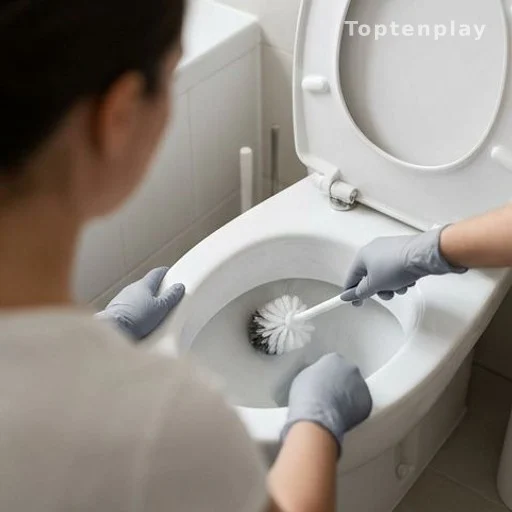
Frequent cleaning keeps the space "fresh and sanitary," according to the guidance, addressing contamination that no single behavioral change can fully prevent on its own. Surfaces around the toilet, the lid, the seat, and the floor are all areas where bacteria can settle after flushing.
Together, these four practices — avoiding unnecessary flushes, closing the lid, repositioning personal items, and cleaning regularly — form a coherent approach to bathroom hygiene. Each addresses a different pathway through which germs spread, making the combination more effective than any one habit alone.