Whiting, The Unsung Star Of A Refined Blanquette
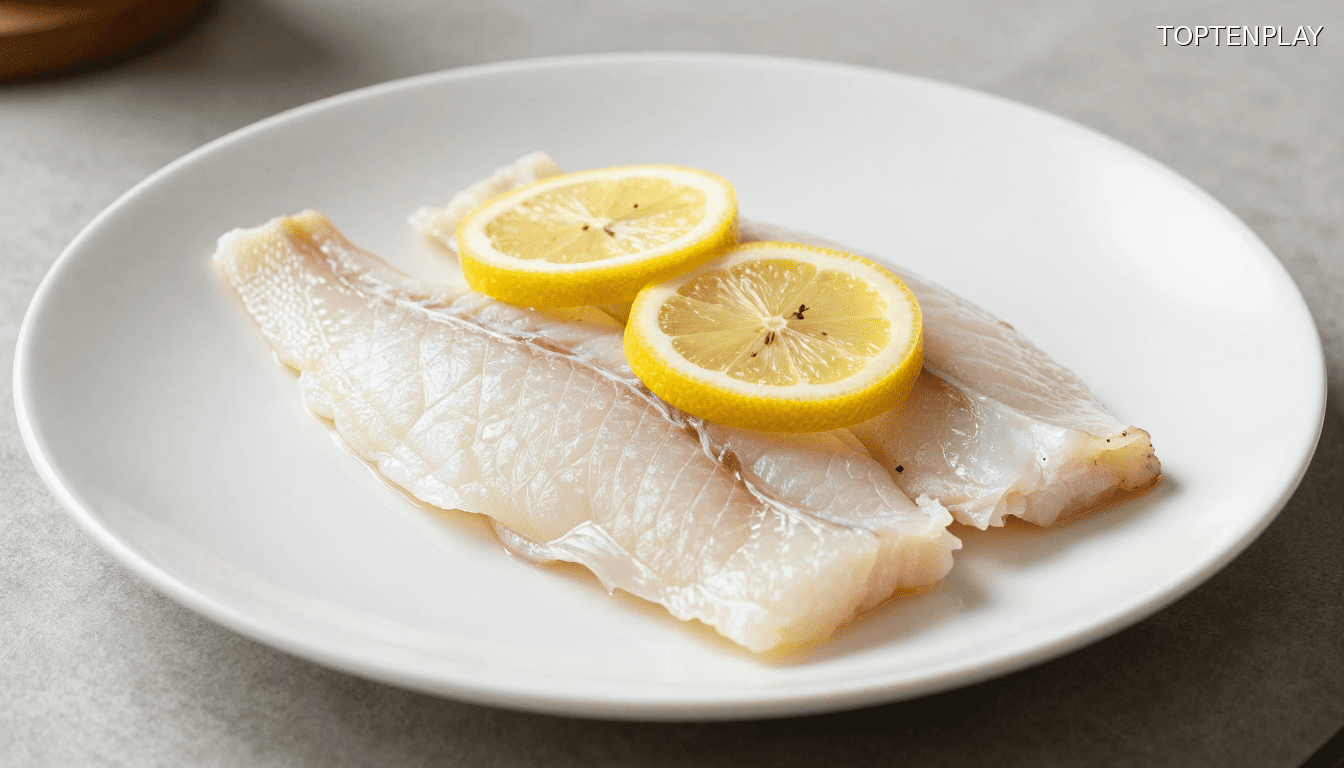
Long relegated to the rank of ordinary fish, whiting reveals all its gustatory nobility in this lemon blanquette. Its delicate and melting flesh is ideally suited to gentle cooking, transforming 600g of fillets into a dish of unsuspected finesse. Unlike firmer fish, whiting offers a velvety texture that perfectly absorbs the flavors of the organic lemon cream sauce, creating a balance between creaminess and freshness.
This recipe proves that lightness does not exclude aromatic richness. The marriage of fish stock, light fresh cream, and lemon zest composes a subtle gustatory symphony, far from heavy and saturated dishes. Whiting thus becomes the perfect canvas for this fragrant lemony sauce, revealing delicate notes that fish with a stronger taste would mask.
For those who may not have access to fresh whiting, the versatility of this recipe allows for judicious substitutions: pollock, sole, or cod pair just as well with the sauce. This flexibility transforms a seasonal recipe into a timeless classic, adaptable according to the fishmonger’s catch. Nevertheless, whiting, with its incomparable texture, deserves to be rediscovered in our kitchens, especially when the cooking technique preserves each fillet intact.
Strategic Mise En Place For Perfect Cooking
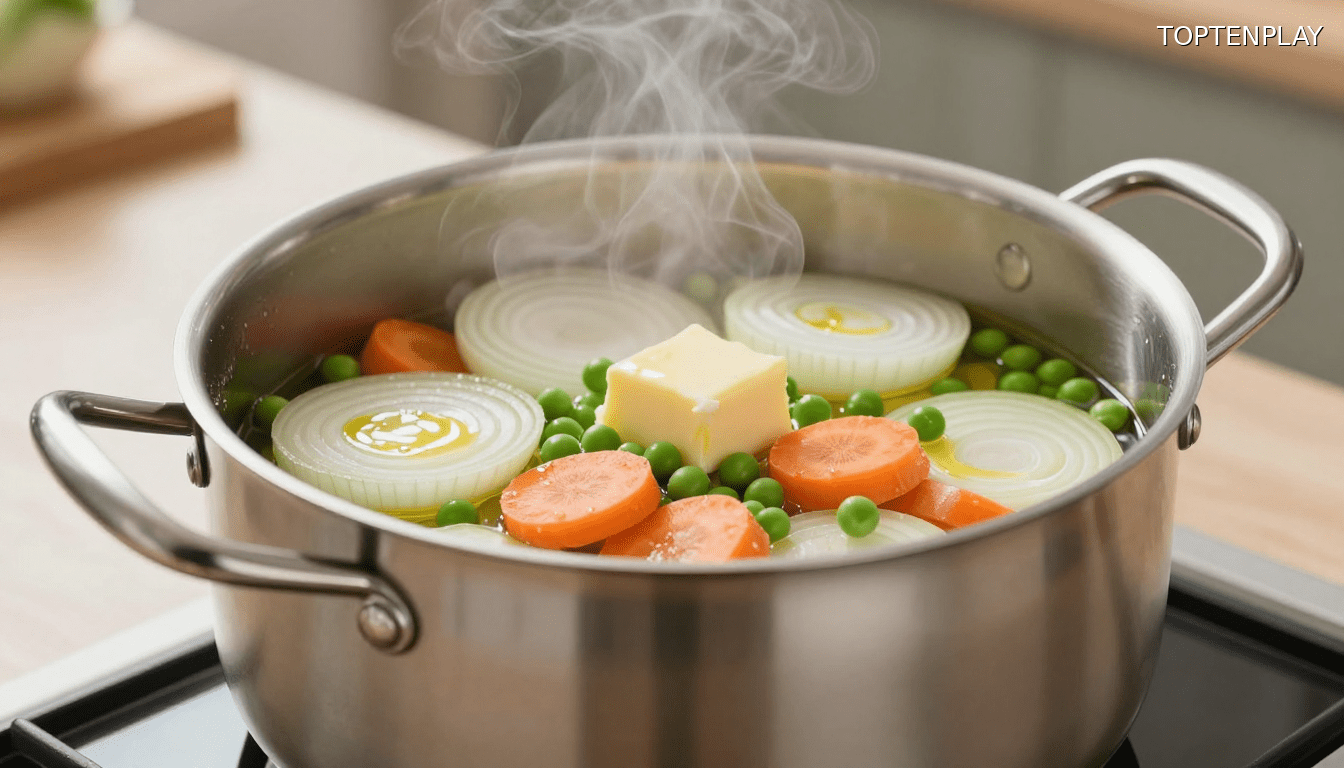
Mastering this blanquette relies on timed preparation with the precision of a watchmaker. The chefs’ trick lies in a simple combination: butter and olive oil heated together in the pot. This alliance prevents the butter from browning and burning, guaranteeing a neutral base where the minced onion becomes translucent in exactly 3 to 4 minutes, without ever browning. This step conditions everything that follows: a colored onion would bring bitterness where the recipe requires sweetness.
The progression of the vegetables follows an implacable logic. The carrot slices enter the pot for 5 minutes of gentle cooking, releasing their natural sugars without falling apart. The peas arrive last, only 2 minutes, just enough time to reveal their bright color and freshness. This gradation is not trivial: each vegetable thus reaches its optimal texture at the precise moment when the whiting fillets join the stock.
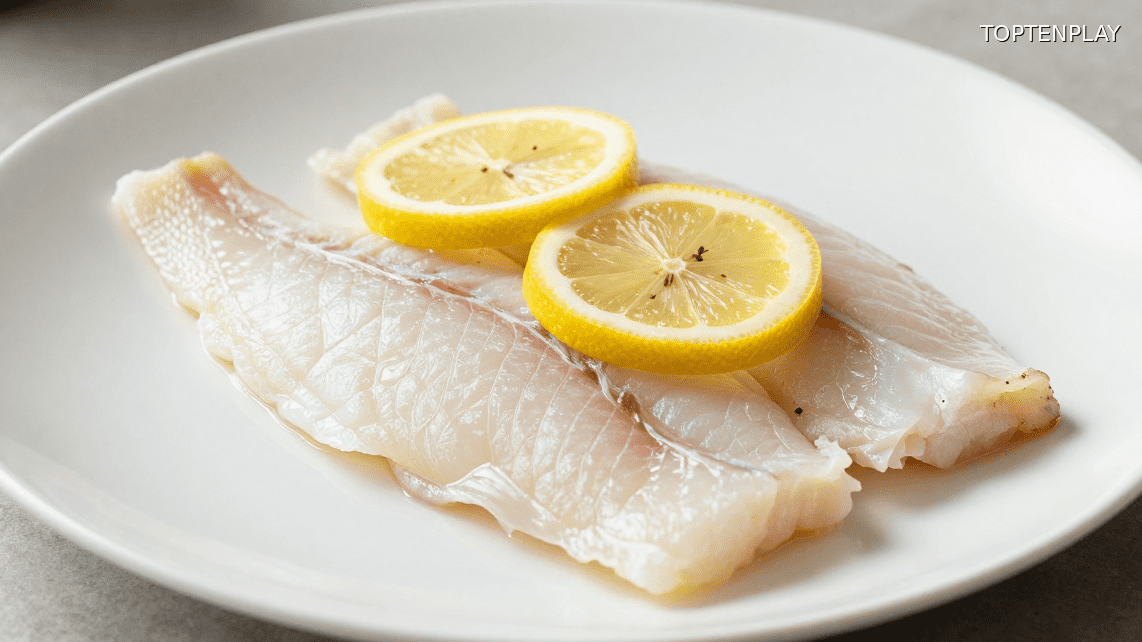
Because that’s where everything is decided: 8 to 10 minutes over low heat, without ever letting the liquid boil. Boiling would toughen the delicate flesh of the whiting and break the fillets. The golden rule revealed by professionals? “Hardly handle the fish at all”. A spatula, a delicate gesture to remove the cooked fillets, and the melting texture remains intact. This discipline of movement, coupled with 20 minutes of preparation and 25 minutes of total cooking, transforms an apparently simple recipe into an exercise in culinary precision.
The Lemony Sauce, The Creamy Heart Of The Recipe
Once the fillets are removed, the transformation of the stock into a sauce reveals the expertise that distinguishes this blanquette. In a separate bowl, 15 cl of light fresh cream meet an egg yolk, the juice, and the zest of an organic lemon. This mixture is anything but trivial: the yolk provides creaminess, the lemon the tangy freshness that balances the richness of the cream. But the fatal error lurks: incorporating this mixture into a broth that is too hot would coagulate the yolk in a few seconds, ruining the entire texture.
The exclusive tip lies in a simple but decisive gesture: remove the pot from the heat before pouring the cream-lemon mixture into the 30 cl of stock flavored with the bouquet garni. Away from any direct heat source, or on minimal heat, the whisk works tirelessly to bind the sauce. This continuous stirring creates a velvety, homogeneous emulsion, where no lumps disturb the texture. The temperature rises gradually, allowing the yolk to bind without cooking abruptly.
The result? A creamy sauce that coats the spoon, thick enough to generously coat the fillets without ever drowning them. The lemon zest sprinkles the preparation with frank aromatic notes, while the juice brings that liveliness that prevents heaviness. A final adjustment of salt and pepper, and this sauce becomes the true heart of the recipe, ready to welcome the whiting again for a final 2-minute reheating. This impeccable binding transforms a simple stock into a creamy setting worthy of a refined table.
Plating And Insider Tips For A Professional Result
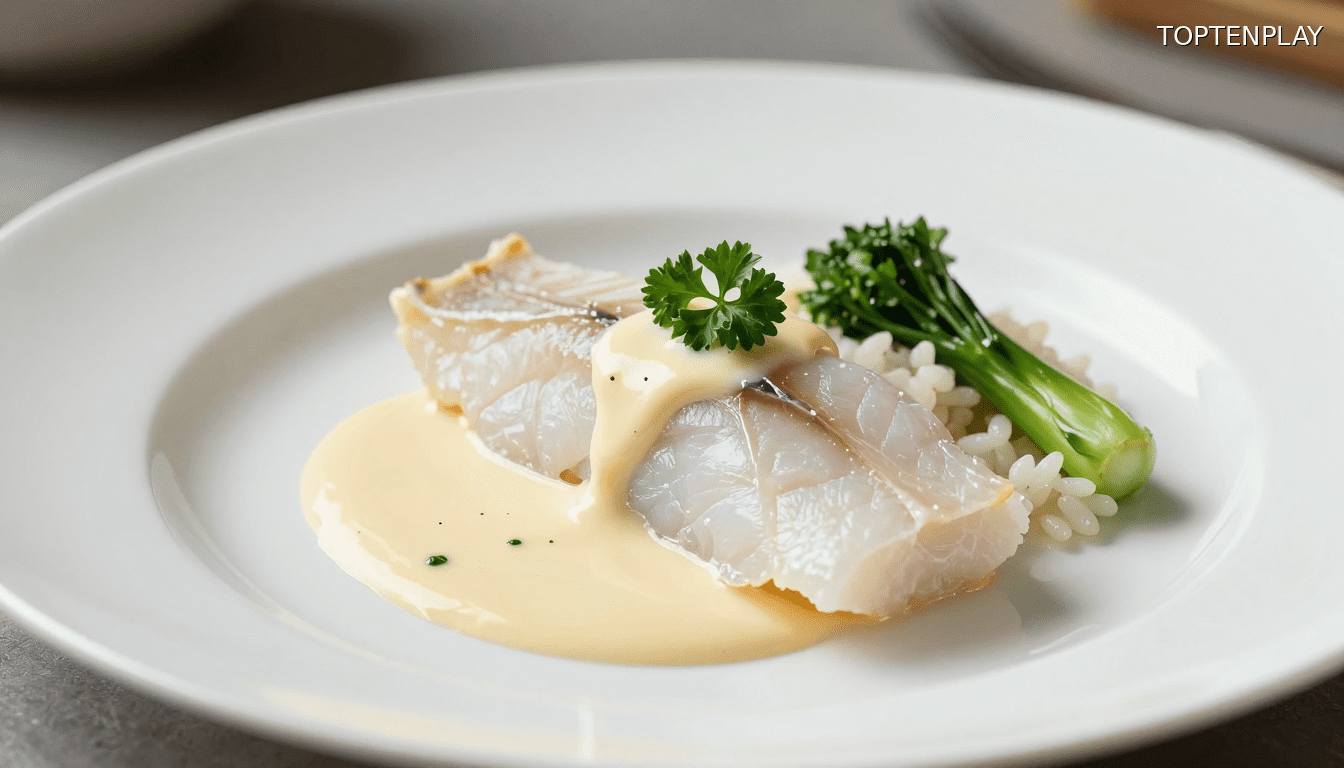
The sauce completed, the delicate moment comes to reunite all the elements without breaking the delicacy of the fish. The whiting fillets, set aside on their warm plate, return to the pot with extreme caution. A wide spatula slides under each piece to place it in the creamy sauce, avoiding any excessive handling that would fragment the flesh. A generous coating then covers each fillet, while the cooked vegetables rejoin the whole for a final 2-minute reheating over low heat.
The plating reveals its aesthetic dimension: fresh chopped parsley sprinkled as a final touch, its bright color contrasting with the milky whiteness of the sauce. The accompaniment plays a strategic role. Fragrant rice to absorb the creaminess, smooth puree to prolong the sweetness, or steamed potatoes for sobriety: each option serves as a neutral support highlighting the finesse of the lemony whiting.
But the professional tip that changes everything happens well before cooking: ask the fishmonger to completely debone the fillets. Whiting, particularly fragile with its fine and numerous bones, is difficult to handle at home without risking tearing the flesh. This simple gesture saves 10 minutes of tedious preparation and guarantees impeccable portions. For four people, this anticipation transforms a demanding recipe into a fluid experience, where technique meets efficiency. The result on the plate justifies every precaution: a light, refined dish, where every bite melts effortlessly.