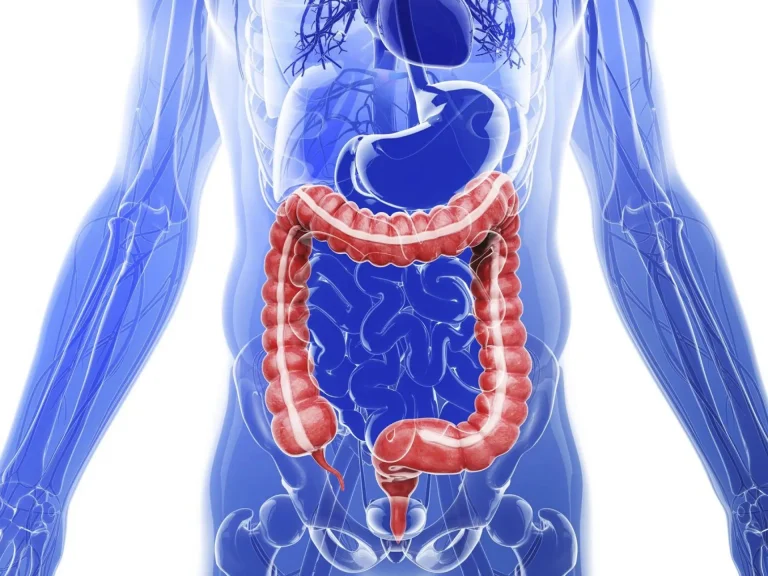
Yellow stool, particularly when it appears greasy, pale, or foul-smelling, may reflect a problem with fat absorption. Healthcare professionals associate this presentation with possible dysfunction in the pancreas, liver, or gallbladder. Floating stool combined with an oily appearance is a pattern that warrants discussion with a healthcare provider if it persists.
Black and red stool: two colors that should never be dismissed
Black stool is one of the changes that healthcare professionals treat with the most caution. Iron supplements, bismuth-containing medications, activated charcoal, and foods with dark pigments are all harmless explanations. However, black, tar-like stool can also indicate bleeding in the upper digestive tract — the stomach, esophagus, or small intestine.
When black stool appears unexpectedly and is accompanied by symptoms such as dizziness or weakness, prompt medical evaluation is considered important. The tar-like texture is a key distinguishing feature from the darker brown that iron supplements typically produce.
Red stool triggers alarm for understandable reasons, though the cause is often benign. Beets, red gelatin, and foods containing red dye are well-documented culprits. When diet cannot explain the color, red stool may point to bleeding in the lower digestive tract — from hemorrhoids, anal fissures, inflammatory bowel conditions, or other gastrointestinal disorders. Medical evaluation is necessary to rule out these causes.
Pale or clay-colored stool: a potential sign of disrupted bile flow
Very pale, white, or clay-colored stool is among the changes that healthcare professionals consider most significant. Because bile is the primary source of stool’s brown color, a dramatic reduction in bile reaching the intestines will visibly alter its appearance.

Possible underlying causes include bile duct obstruction, gallbladder problems, and certain liver conditions. Unlike color changes linked to diet, pale stools do not resolve once a meal passes through the system. Healthcare professionals recommend evaluation whenever this presentation persists.
Medications can also play a role in unexpected color changes more broadly. Iron supplements, bismuth-based products such as some antacids, certain antibiotics, and activated charcoal are all documented to alter stool color. Reviewing recent medications is a practical first step before drawing conclusions about a new color change.
Suggested Posts

D&O insurance tightens as AI, ESG and insolvencies pile pressure on boards
Corporate directors and officers are facing a broader and more costly range of personal liabilities than at any point in the past decade, driven…