When lifestyle is not the issue, nutrition often is. Low levels of iron, biotin (vitamin B7), or omega-3 fatty acids are all associated with weakened nail structure. These are nutrients found in everyday foods: eggs, salmon, nuts, and leafy greens. A consistent gap in any of them can manifest at the fingertips before other symptoms become obvious.
Age is also a documented factor. Nails naturally thin after the age of 60, making brittleness increasingly common in older adults regardless of diet. Practical measures — wearing gloves during cleaning tasks and moisturizing cuticles nightly with jojoba or almond oil — can meaningfully reduce damage at any age.
Vertical ridges: a normal sign of aging, with one important exception
Fine lines running from the base of the nail to the tip — known as vertical ridges — are a routine part of getting older. Much like wrinkles on skin, they reflect the gradual changes in cell turnover and moisture retention that come with age. They are particularly common after 50 and, on their own, require no treatment.
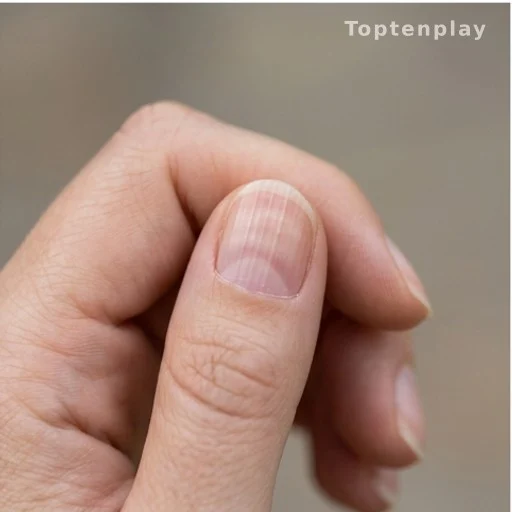
The picture changes when ridges appear suddenly, are unusually deep, or are accompanied by discoloration. In those cases, the combination could indicate a nutrient deficiency or, more significantly, a thyroid condition. The thyroid regulates a wide range of bodily functions, and disruptions often surface in unexpected places — including the nails.
Anyone noticing a rapid or pronounced change in ridge depth, especially alongside fatigue, weight fluctuation, or skin changes, should consider consulting a healthcare provider rather than attributing the shift to aging alone.
Why nails reflect internal health
Nails grow from the nail matrix, a layer of tissue rich in blood vessels and sensitive to changes in circulation, nutrition, and hormonal balance. Because they grow continuously and slowly — roughly 3mm per month for fingernails — they act as a kind of timeline, recording physiological changes over weeks or months. This is why dermatologists routinely examine nails as part of broader health assessments.
White spots: a persistent myth finally corrected
Few nail beliefs are as widespread — or as inaccurate — as the idea that white spots signal a calcium deficiency. The condition, medically known as leukonychia, has almost nothing to do with calcium intake.
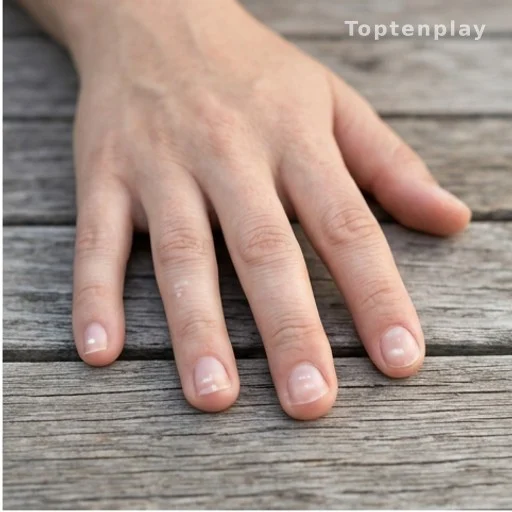
The real explanation is considerably more mundane: minor trauma to the nail or the nail bed. Bumping a finger, pressing too hard during a manicure, or even routine daily impacts can disrupt the nail matrix weeks before a white mark becomes visible. Because nails grow slowly, the spot only appears long after the original incident — which is why the connection is so rarely made.
Suggested Posts

The study desk puzzle that tricks your brain into missing the obvious
A study desk with books, pens, and a lamp sounds like the easiest possible setting for a spot-the-difference puzzle. Yet that very familiarity is…