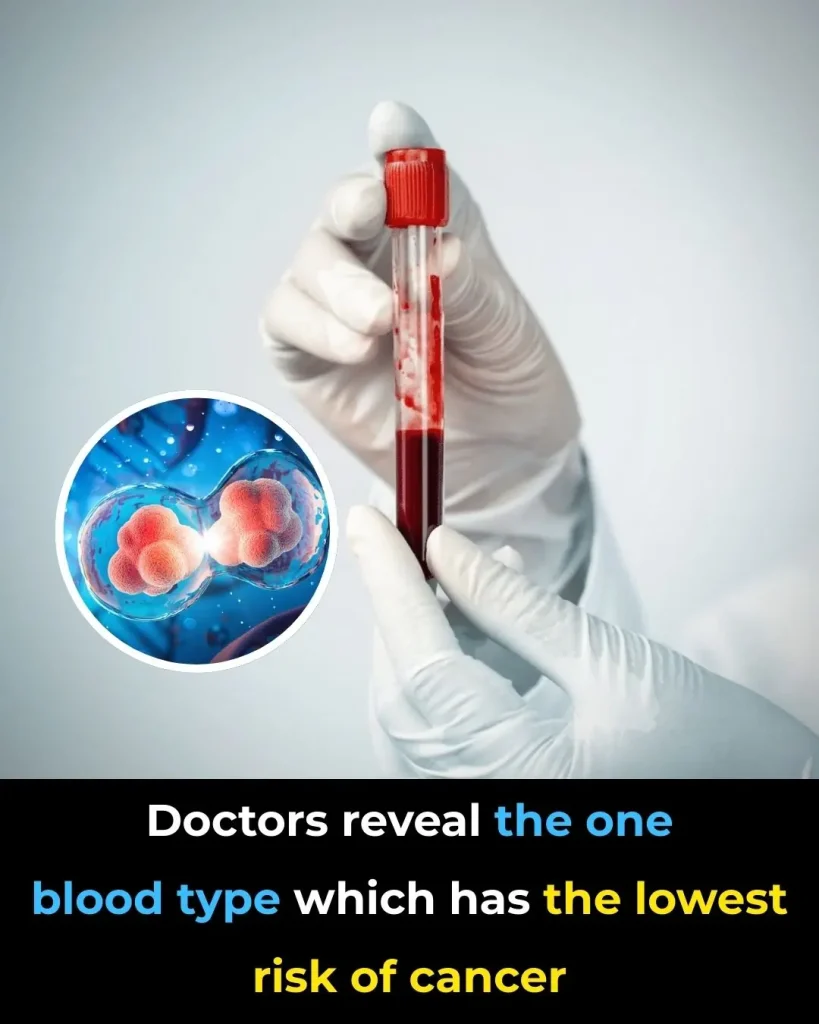
Most people never think about their blood type beyond an emergency room visit — but research suggests it may be a meaningful indicator of health risks across a lifetime. Studies have linked the ABO blood group system to varying susceptibility to heart disease, cognitive decline, gastric cancer, and ulcers. Here is what the science currently documents for each blood type.
In brief
- —AB blood type is the rarest, affecting around 4% of Americans
- —A and B types carry a 51% higher deep vein thrombosis risk
- —Type O blood is not risk-free — ulcers are more prevalent
How the ABO system classifies blood — and why a mismatch can be fatal
The ABO blood group system, developed by Dr. Karl Landsteiner, categorizes blood into four types — A, B, AB, and O — based on proteins called antigens present in red blood cells and plasma antibodies. A second layer of classification comes from the Rh factor: if the Rh antigen is present, blood is Rh positive; if absent, it is Rh negative.