Nutritional deficiencies are another frequent culprit. Low levels of vitamin C, vitamin K, or iron can weaken blood vessel walls or impair the clotting cascade, making even minor contact enough to leave a visible mark.
How bruising normally works
A bruise forms when capillaries — the smallest blood vessels in the body — rupture and blood seeps into the surrounding tissue. The body reabsorbs this blood over days or weeks, which explains the colour change from purple to yellow as a bruise heals. When this process happens repeatedly without an obvious cause, it suggests the capillaries may be unusually fragile or that clotting is not working as it should.
Liver function and blood disorders: deeper causes of easy bruising
The liver plays a central role in clotting: it produces the proteins the body needs to stop minor bleeding beneath the skin. When liver function is compromised, those proteins become scarce, and bruises can form far more easily than expected.
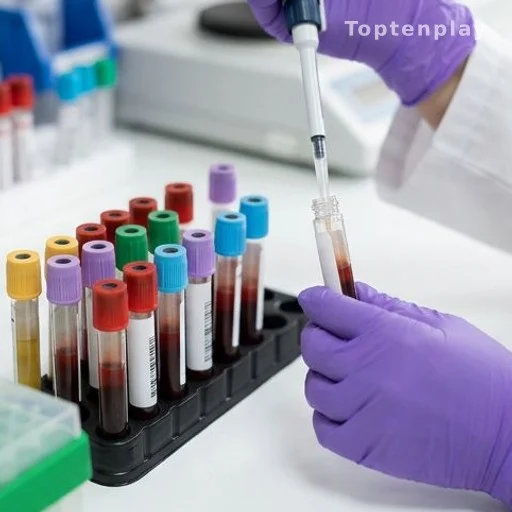
Blood disorders that affect platelets or clotting factors can produce a similar effect. When the body cannot repair damaged blood vessels efficiently, bruising may appear alongside other symptoms: frequent nosebleeds, cuts that bleed for longer than usual, or persistent fatigue.
In rare cases, persistent unexplained bruising has been associated with blood-related cancers such as leukemia, where abnormal blood cell production disrupts healthy clotting mechanisms. However, the source is clear that bruising alone does not indicate cancer — many far less serious conditions share the same symptom.
Seven warning signs that should prompt a medical consultation
Not all unexplained bruising requires urgent attention, but certain combinations of symptoms should not be left unchecked. Healthcare professionals point to the following red flags:

Bruises that appear frequently without any injury; bruises that are unusually large or painful; bruising accompanied by excessive bleeding; persistent fatigue or weakness; frequent infections; unexplained weight loss; and bruising that continues to worsen over time.
Suggested Posts
Climate adaptation: from insurance retreat to $9 trillion opportunity
As climate change pushes entire regions toward uninsurability, a growing body of financial research is reframing adaptation not as a cost but as a…