📌 Umami miso fondue: the complete fusion recipe with pork meatballs, salmon tataki, and three homemade sauces
Posted 28 January 2026 by: Admin
The Umami Essence: A Sophisticated Fusion Broth
Far from traditional cheese or chocolate fondues, this miso fondue is built on a liquid architecture of rare complexity. The broth begins with a tripartite aromatic base – onions, garlic (60g), and ginger powder (30g) – sautéed for 4 to 5 minutes in a strategic blend of sesame and canola oils. This initial phase releases the volatile compounds that will permeate the upcoming 4 liters of vegetable broth.
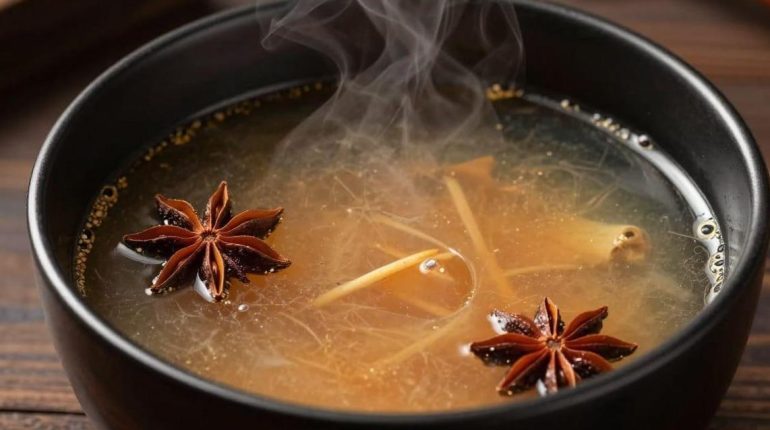
The infusion itself marries 125ml of miso with soy sauce, while introducing unexpected spicy notes: star anise and cinnamon stick, culinary borrowings that transcend classic Asian boundaries. The extended cooking time of 20 to 25 minutes is intentional – it aims for a one-third volume reduction, thereby concentrating the umami flavors to their peak. A drizzle of sriracha (optional) adds a spicy layer, while 3 tablespoons of diluted cornstarch thicken the liquid during the final 5 minutes.
The final straining through a sieve, though optional, transforms this broth into a clear elixir, ready to welcome proteins and vegetables in the Fondussimo Evolution appliance. This 25-minute preparation becomes the beating heart of a fondue that reinvents the codes of culinary sharing.
Signature Proteins: Between Tradition And Refinement
This miso fondue stands out with two artisanal protein preparations that require technique and precision. The Asian pork meatballs use 600g of ground meat enriched with panko breadcrumbs, fresh cilantro (60g), shallot, and fish sauce – the fermented condiment that seals the dish’s umami identity. An egg binds it all together, allowing for the shaping of 25 to 30 uniform spheres (30ml of mixture each) arranged on parchment paper.
Baking in the oven at 205°C for 12 to 15 minutes ensures the total disappearance of any pink interior while preserving the characteristic tenderness of quality ground pork. Meanwhile, the salmon tataki illustrates an opposite mastery: a 225g thick fillet, previously brushed with oyster sauce then coated in 60g of sesame seeds, undergoes a flash-searing of 30 to 45 seconds per side in smoking canola oil.
This Japanese technique preserves a medium-rare pink heart, creating a striking contrast between the golden crunchy crust and the silky interior. After cooling, the fillet is sliced into thin strips which, when dipped into the boiling miso broth, will finish cooking according to individual preference. These 45 minutes of preparation transform the fondue into a true domestic gastronomic performance.
Garnish Arsenal: Maximum Textural Diversity
Beyond the signature proteins, this miso fondue deploys an ecosystem of garnishes designed to create infinite combinations. The vegetable palette prioritizes contrasts: crunchy bok choy with glazed leaves, firm asparagus retaining its bite, zucchini ribbons cut with a mandoline that instantly absorb the broth, thread-like enoki mushrooms, and fleshy shiitakes providing earthy depth.
Ready-to-dip elements simplify the experience: peeled shrimp that turn pink in 90 seconds, store-bought dumplings revealing their filling upon contact with the hot liquid, fermented kimchi whose lactic acidity counterbalances the creaminess of the miso. Asian noodle nests like haiku or rice vermicelli play a strategic role: dipped for a few moments, they swell and capture the concentrated broth, turning every bite into an aromatic capsule.
Designed for 4 people with the Fondussimo Evolution appliance, this recipe allows for 8 to 10 simultaneous garnishes depending on appetite. The excess broth, kept aside, allows for refilling the pot without diluting the umami intensity. This freedom of composition makes every guest a creator, orchestrating soft and firm, vegetable and marine textures in a culinary choreography renewed with every fork dip.
Complementary Sauce Duos: The Sweet-Spicy Balance
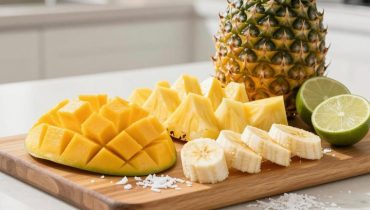
The dipping experience finds its fulfillment in two antagonistic condiments that frame the taste spectrum. The sweet mango sauce uses a ripe diced mango, 125 ml of pineapple juice, 60 g of brown sugar, minced shallot, and fresh lemon juice. It simmers for 8 to 10 minutes before being blended into a smooth, shiny puree whose tropical sweetness envelops the seared proteins.
At the thermal and gustatory opposite, the spicy sesame mayonnaise combines 180 ml of mayonnaise, toasted sesame seeds, sriracha, sesame oil, and soy sauce. Kept cool until serving, it brings zesty punch and toasted notes that wake up taste buds saturated by the broth. This cold temperature creates a sensory shock upon contact with hot food, amplifying the perception of spice.
The architecture of this fondue rests on three thermal layers: broth maintained at a constant temperature in the Fondussimo, lukewarm mango sauce serving as a gentle transition, and chilled mayonnaise causing a deliberate break. Every bite becomes a negotiation between these polarities, with pork meatballs pairing better with the fruity mango, and salmon tataki revealing its complexity with the sesame mayonnaise. This duality transforms the meal into a tactile as well as gustatory exploration, where temperature and flavor dialogue with every immersion.