Potato and tuna gratin, for many, is a painful memory from the school cafeteria. Something pasty and lukewarm, swallowed without enthusiasm. And yet, homemade with two or three adjustments, it’s a dish that disappears from the plate even before you’re truly settled at the table.
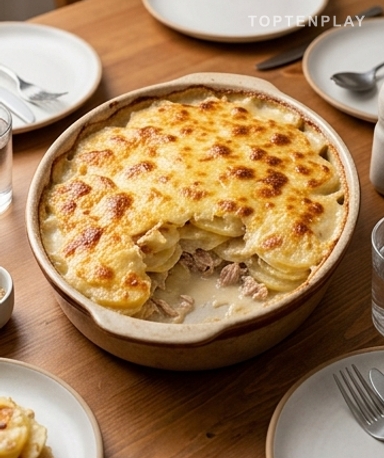
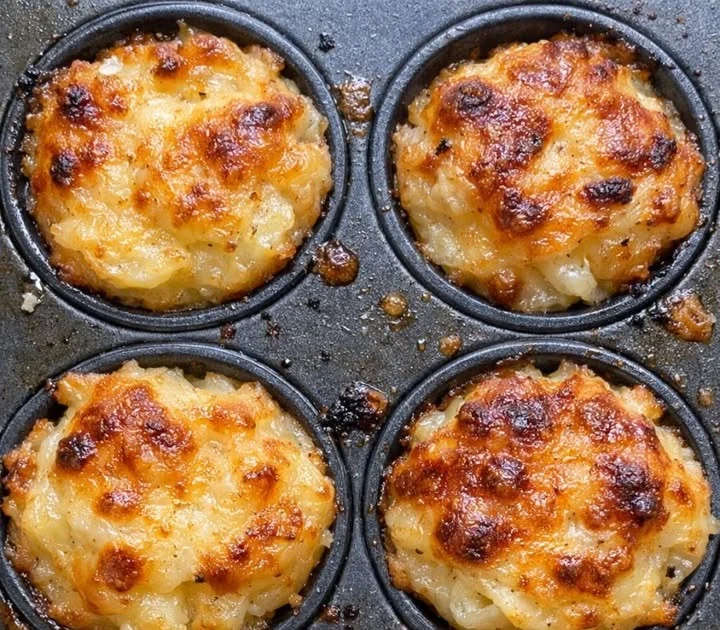
Imagine the dish coming out of the oven: a light caramel-colored cheese crust, slightly blistered, cracking under the spoon with a muffled sound. Underneath, the potatoes have absorbed the cream and tuna juices — they are meltingly soft, almost creamy. The rising aroma mixes warm milk, sautéed garlic, and that briny hint of tuna mingling with grilled cheese. It’s simple, and that’s exactly why it works.
Why you’ll love this recipe
Ingredient Notes
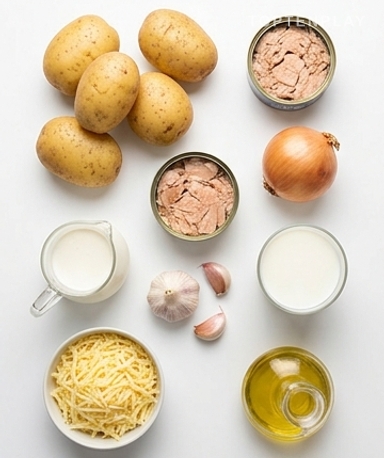
Pantry staples: potatoes, canned tuna, cream, cheese. Simple and efficient.
- The potatoes : Choose waxy, melting potatoes — Monalisa or Charlotte, not Bintje which will disintegrate into mush. A mandoline gives regular 3-4 mm slices, which really changes the cooking. It’s doable with a knife, but you need to be patient and consistent.
- Canned tuna : Tuna in water, not oil. Oil makes the gratin heavy and gives it a greasy side that covers everything else. In water, the tuna crumbles more easily and lets the cream and cheese speak for themselves. Drain it really well — press down with a fork on the open can over the sink.
- Crème fraîche : Full-fat cream, liquid or semi-thick. Light cream releases water during cooking and dilutes the whole dish. A mixture of cream and milk in equal parts is the perfect balance: rich enough to be indulgent, without being suffocating.
- Grated cheese : Emmental for a stringy crust, mozzarella for more sweetness, cheddar for a bolder taste. What to avoid: pre-packaged industrial grated cheese. It contains anti-caking starch that prevents a true melt and gives a grainy crust.
The part everyone botches: the potatoes
The secret to a truly melting gratin is to pre-cook the potatoes. Ten minutes in salted boiling water, no more — they should still resist slightly under the tip of a knife. Put in raw directly into the dish, they will stay firm in the center while the cheese on top is already burnt. That’s not what we’re looking for. While they cook, the water in the pot takes on a slight smell of warm starch — drain them carefully, then let them dry for a few minutes on a clean towel before assembling the gratin.
Why I never go without sautéed garlic anymore
The garlic and onion are sautéed in a drizzle of olive oil before adding the tuna. Two minutes over medium heat — just enough for the onion to become translucent and the garlic to start scenting the kitchen. This step changes everything. Raw garlic in a gratin stays pungent, a bit aggressive. Gently sautéed, it becomes sweet and rounded. Add the drained tuna directly to the pan, crumble it with a fork, and mix well. A pinch of nutmeg here — discreet, but it adds a slight depth to the whole thing.
Assembling the gratin: layer by layer without the headache
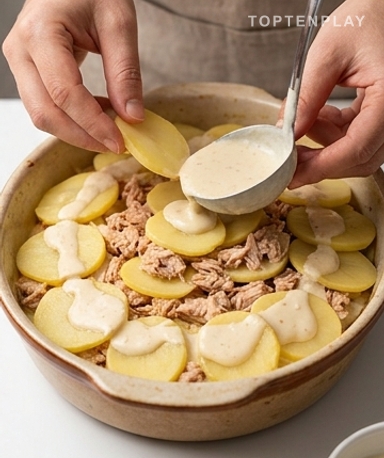
Preheat the oven to 180°C and lightly butter the dish so nothing sticks to the bottom. Start with a layer of potatoes, overlapping them like tiles — no holes. Then the tuna and garlic mixture. A drizzle of cream-milk sauce. A little cheese. And repeat. What matters is to finish with the potatoes and cover generously with grated cheese. The final layer of cheese is what creates the crust — don’t hold back.
Cooking: waiting without checking every two minutes
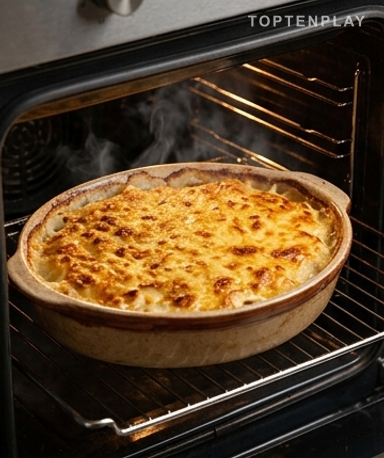
Forty-five minutes at 180°C. The gratin is ready when the surface is uniformly tanned — not just a few golden spots here and there, but a continuous light caramel crust over the entire surface. If you want to take the gratin finish further, put the dish under the grill for three or four minutes at the very end of cooking. Watch closely: under the grill, it goes from perfect to burnt in less than two minutes. Let it rest for five minutes before serving — the gratin holds together better when sliced and the flavors concentrate a bit more.
Tips & Tricks
- Season every layer, not just the surface — salt and pepper on the potatoes, on the tuna, in the sauce. A gratin seasoned only on top remains bland in the middle, and no amount of cheese will fix that.
- If your gratin releases too much liquid during cooking, it’s almost always because the potatoes weren’t dried enough after boiling, or light cream was used which released water. Let them dry for a few minutes on a towel after draining.
- The next day, cut a cold slice and sauté it in a pan with a drizzle of olive oil. The bottom side becomes crispy like a rösti. It’s honestly better than reheating in the microwave, which makes everything soggy.

Can this gratin be prepared in advance?
Yes, and it’s even recommended. You can assemble the gratin the day before, cover it with plastic wrap, and leave it in the refrigerator raw. Pop it directly in the oven the next day, adding 10 minutes of extra cooking time compared to the indicated time.
How to store and reheat leftovers?
The gratin keeps for up to 3 days in the refrigerator in a covered dish. To reheat, put it in the oven at 160°C with a few spoonfuls of water or milk poured over the top — this prevents it from drying out. The microwave works, but the crust will soften completely.
Why does my gratin release a lot of liquid during cooking?
It’s almost always due to the potatoes: if they are not well-drained and dried after pre-cooking, they release their water into the dish. Light cream also causes this problem. Use full-fat cream and let the potatoes dry for a few minutes on a towel before assembling the gratin.
Can this tuna gratin be frozen?
Technically yes, but the texture changes: the potatoes become a bit mealy after freezing and thawing. If you want to freeze it, do so before cooking rather than after, in plastic-wrapped individual portions. Thaw in the refrigerator the night before, then cook as usual.
Can the tuna be replaced with another ingredient?
Absolutely. Canned salmon works very well and gives a milder taste. Diced cooked chicken breast is also a good option for a more neutral version. In any case, make sure the filling is well-seasoned before assembling the layers.
What is the best variety of potatoes for this gratin?
Waxy varieties like Charlotte or Monalisa are ideal — they hold up during cooking without falling apart, and their texture becomes creamy after absorbing the sauce. Avoid starchy potatoes (like Bintje) which tend to mash between the layers.
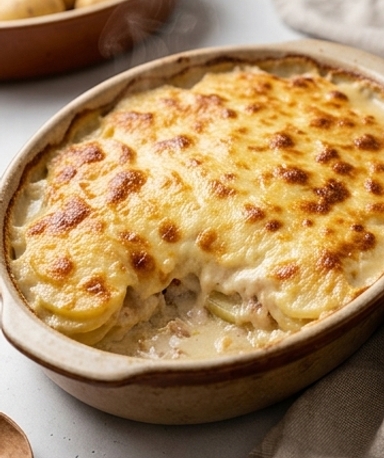
Ultra-melting Potato and Tuna Gratin
French
Main Course
A melting and creamy gratin made with potatoes, canned tuna, and gratinated cheese — ready in an hour with pantry staples.
Ingredients
- 800g waxy potatoes (Charlotte or Monalisa)
- 280g canned tuna in water, drained (2 cans)
- 1 medium onion, finely sliced
- 2 garlic cloves, minced
- 200ml full-fat crème fraîche
- 200ml whole milk
- 125g grated emmental
- 1 tablespoon olive oil
- 1 pinch grated nutmeg
- salt and freshly ground black pepper
Instructions
- 1Peel the potatoes, rinse them, and cut them into thin slices of 3 to 4 mm.
- 2Plunge the slices into a pot of salted boiling water and cook for 10 minutes. They should be slightly tender but still firm. Drain and let dry on a towel.
- 3In a pan, heat the olive oil over medium heat. Sauté the onion for 3 minutes until translucent, then add the garlic and cook for an additional 1 minute.
- 4Add the drained and crumbled tuna to the pan. Mix, season with salt, pepper, and nutmeg. Remove from heat.
- 5In a bowl, whisk the crème fraîche with the milk. Season lightly with salt and pepper.
- 6Preheat the oven to 180°C. Lightly butter a gratin dish.
- 7Arrange a first layer of potato slices, overlapping them slightly. Cover with a layer of the tuna mixture, a drizzle of creamy sauce, and a handful of grated cheese. Repeat until all ingredients are used.
- 8Finish with a layer of potatoes and cover generously with the remaining grated cheese.
- 9Bake for 40 to 45 minutes until the surface is uniformly golden. Put under the grill for 3 to 4 minutes for a more pronounced crust if desired.
- 10Let rest for 5 minutes out of the oven before serving.
Notes
• Make ahead: assemble the gratin the day before, cover with plastic wrap, and refrigerate raw. On the day, bake directly from the refrigerator, adding 10 minutes to the cooking time.
• Storage: 3 days in the refrigerator. Reheat in the oven at 160°C with a few spoonfuls of milk poured over the top to keep it moist.
• Vegetable variant: add zucchini slices or spinach between the tuna layers for a more complete version without changing the cooking times.
Nutrition Facts (per serving, estimated)
| 395 kcalCalories | 22gProtein | 31gCarbs | 19gFat |