📌 Trippa in Umido: how Italian cuisine transforms tripe into a comforting dish passed down for generations
Posted 22 January 2026 by: Admin
The Popular Origins Of An Italian Mainstay
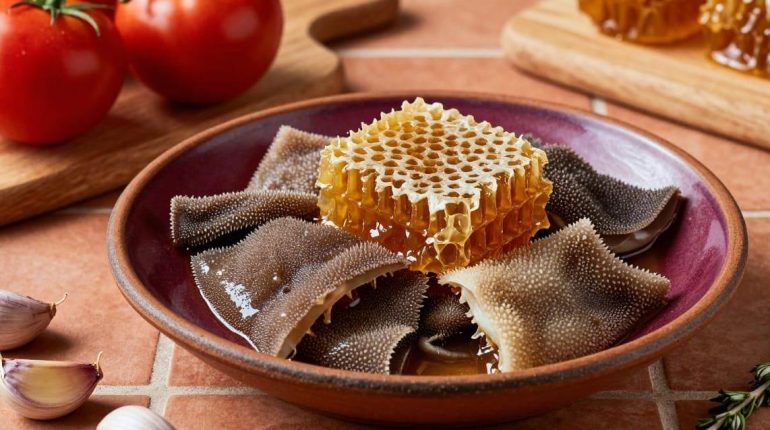
Far from the spotlights that illuminate pasta carbonara and Neapolitan pizzas, trippa in umido embodies a little-known facet of Italian gastronomy. This beef tripe stew simmered in a generous tomato sauce, enriched with onions, garlic, and aromatic herbs, bears witness to a culinary tradition born of necessity rather than luxury.
In Italian family kitchens, this dish has been passed down from generation to generation as a precious legacy. Its history merges with that of the working classes who refused to waste any part of the animal. This “nothing is wasted” philosophy transformed neglected offal into a recipe capable of feeding entire tables.
Trippa in umido carries a radical conviction: every piece deserves attention and culinary metamorphosis. Finished with a touch of grated cheese or a drizzle of olive oil, it represents much more than a simple economical dish. It celebrates the ingenuity of those who knew how to create comfort from the humble, and flavor from the modest.
This recipe seeks neither elegance nor sophistication. It assumes its popular identity with disarming honesty, revealing that true Italian gastronomic wealth also resides in its most down-to-earth traditions.
The Meaning Of “In Umido”: The Art Of Slow Cooking
The term “in umido” refers to a fundamental technique of traditional Italian cooking: cooking in moisture. This method involves prolonged simmering where ingredients bathe in their own juices enriched by a sauce, usually tomato-based. Unlike high-heat cooking, this process requires patience and time.
In the case of trippa in umido, this approach literally transforms the texture of the tripe. The fibers gradually relax, absorbing the aromas of sautéed onions, crushed garlic, and the aromatic herbs that scent the stew. The tomato sauce acts as a binder, allowing every flavor to penetrate deeply.
This gentle cooking is not just a simple technique. It embodies a culinary philosophy where nothing is rushed. Flavors do not just sit side by side: they melt together, creating a harmony that only time can produce. The low heat, maintained over several hours, causes an alchemy where individual components disappear in favor of a homogeneous whole.
This ancestral method reveals why trippa in umido cannot be rushed. Its comforting character is born precisely from this assumed slowness, from this refusal of modern speed. Every minute of simmering reinforces the promise of a dish that warms both the body and the collective memory.
A Counter-Cultural Culinary Philosophy
This claimed slowness places trippa in umido in direct opposition to contemporary gastronomic trends. In the era of Instagrammable dishes and fusion concepts, this stew refuses any aesthetic concession. It seeks neither to seduce the eye nor to flatter passing fads.
Its essence rests on values that are marginalized today: humility, raw honesty, the refusal of the superfluous. Where haute gastronomy multiplies technical gestures and elaborate presentations, trippa in umido embraces its rusticity. Every bite affirms a deep conviction: every part of an animal deserves care and transformation, not out of moral obligation, but out of respect for the ingredient itself.
This philosophy carries an economic and creative dimension. Born of necessity, it embodies the ingenuity of popular kitchens where nothing is wasted. Offal, long disdained by bourgeois tables, here becomes the protagonist of a culinary creation in its own right. Patience replaces luxury, time compensates for the supposed nobility of the cuts.
This dish functions as a silent manifesto against the standardization of tastes. It reminds us that authentic cuisine does not need refinement to fully exist. Its audacity lies precisely in this refusal to compromise with modern expectations, preserving intact a heritage shaped by generations of anonymous cooks.
Portrait Of A Multi-Faceted Comfort Dish
Beyond this ideological positioning, trippa in umido stands out first for its sensory presence. The tender texture of the tripe, soaked in tangy tomato sauce, contrasts with the creaminess of the grated cheese melting on the surface. The aromas of garlic and herbs infuse every bite, creating a tasting experience that is both rustic and complex.
This dish fulfills an essential nurturing function in Italian homes. It deeply satisfies, warms bodies, and soothes spirits with an efficiency that few recipes achieve. Its generosity goes beyond simple caloric intake: it touches the emotional, the psychological comfort provided by familiar and unadorned cooking.
Every trippa in umido carries a collective memory. Gestures passed from mother to daughter, proportions adjusted according to available resources, regional variations that became family signatures. These simmered tripe tell stories of economic survival, creative adaptations during difficult times, and modest celebrations around a common table.
Its assumed audacity lies in this total absence of compromise. Neither watered down nor modernized, the recipe passes through the ages without major alteration. It requires the eater to accept its codes, its particular texture, its assertive identity. This intransigence is its strength: it preserves intact an authentic culinary heritage that continues to define the popular soul of Italian gastronomy.