Image d’illustration © TopTenPlay EN
Zinnias As An Unexpected Hummingbird Magnet
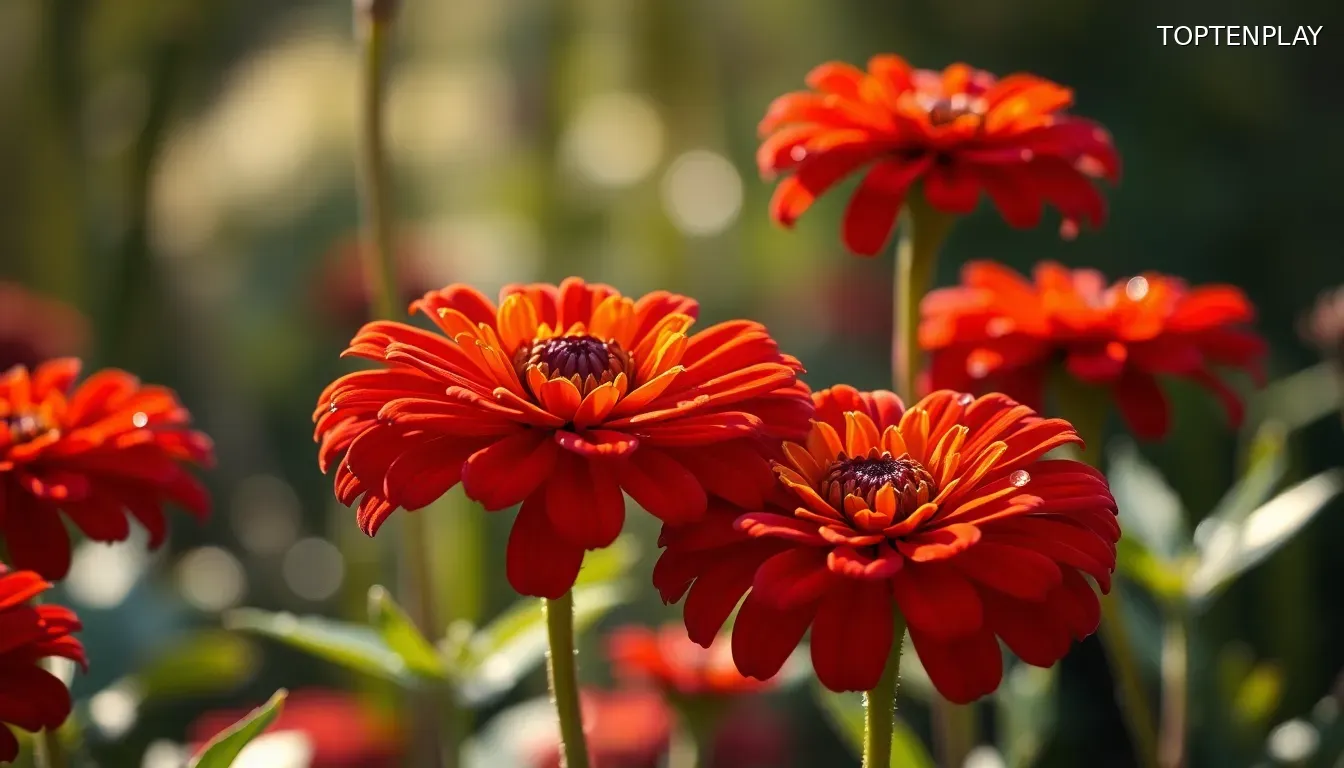
Challenging conventional wisdom about hummingbird preferences, common zinnias (Zinnia elegans) emerge as an unexpected powerhouse in attracting these vibrant pollinators. While gardening folklore traditionally champions tubular flowers as the gold standard for hummingbird gardens, these dome-shaped blooms defy expectations by securing their place on the avian buffet menu.
The revelation strikes at the heart of garden planning assumptions. Zinnias deliver dual benefits that experienced gardeners recognize as rare: they provide nearly instant color transformation while simultaneously serving wildlife conservation goals. These fast-growing annuals establish themselves rapidly, creating spectacular displays within weeks of planting.
What makes this discovery particularly compelling is the accessibility factor. Unlike specialized native plants that require specific growing conditions and lengthy establishment periods, zinnias offer immediate gratification for both gardeners and their feathered visitors. The flowers maintain their appeal throughout the growing season, providing consistent nectar sources when other garden offerings may wane.
This botanical surprise underscores a crucial gardening principle: effective wildlife attraction doesn’t always follow predictable patterns. While tubular flowers certainly hold their place in hummingbird ecology, the dome-shaped zinnia proves that flower architecture diversity can expand feeding opportunities significantly.
The implications extend beyond simple flower selection, suggesting that gardeners can achieve wildlife-friendly landscapes without sacrificing aesthetic impact or cultivation simplicity. This dual-purpose approach transforms traditional garden planning, where beauty and ecological function merge seamlessly through strategic plant choices.
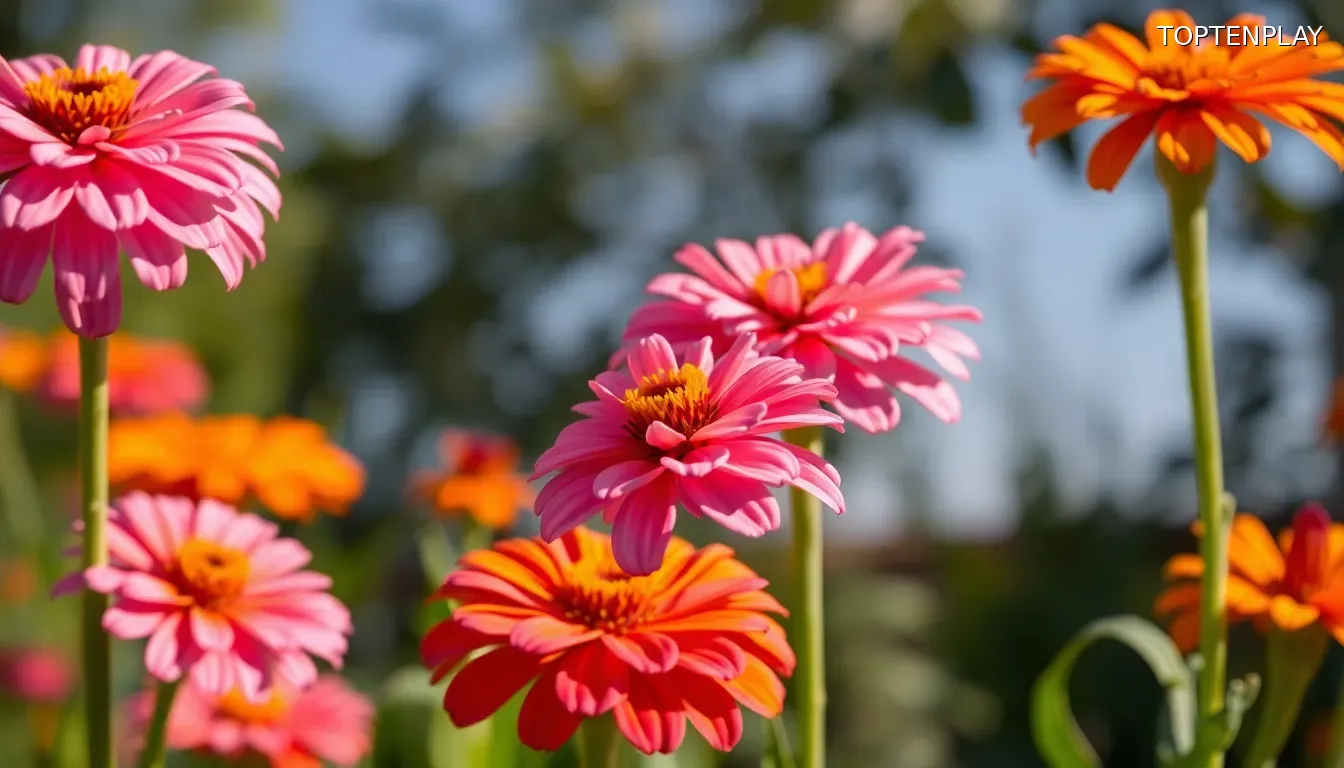
Image d’illustration © TopTenPlay EN
Strategic Flower Selection For Maximum Attraction
Not all zinnias deliver equal results when targeting hummingbird visitors. Variety selection becomes the determining factor between modest success and genuine pollinator magnetism.
Height emerges as the primary consideration. Tall zinnia varieties create elevated feeding stations that align with hummingbird flight patterns and territorial preferences. These elevated blooms position themselves within the optimal feeding zone, reducing energy expenditure for visiting birds while maximizing garden visibility from aerial approaches.
Color psychology plays an equally critical role in attraction success. Pink, red, and orange hues trigger the strongest hummingbird responses, exploiting evolutionary preferences developed over millennia. These warm spectrum colors signal high-energy nectar sources, creating immediate visual cues that draw attention from considerable distances.
Petal configuration determines accessibility more than aesthetic appeal. Single flower types with fewer petal rows dramatically outperform their ruffled, double-bloom counterparts in practical feeding scenarios. The architectural difference proves crucial: excessive petals create physical barriers that obstruct nectar access, forcing hummingbirds to expend additional energy for reduced nutritional reward.
This petal density consideration extends beyond hummingbirds to encompass the broader pollinator community. Bees and butterflies face identical challenges when navigating through dense petal arrangements, making single-type blooms the superior choice for comprehensive garden ecology.
The selection strategy crystallizes around these three pillars: height for positioning, color for attraction, and petal simplicity for access. When combined effectively, these characteristics transform ordinary zinnia plantings into specialized hummingbird feeding stations that function throughout the growing season.
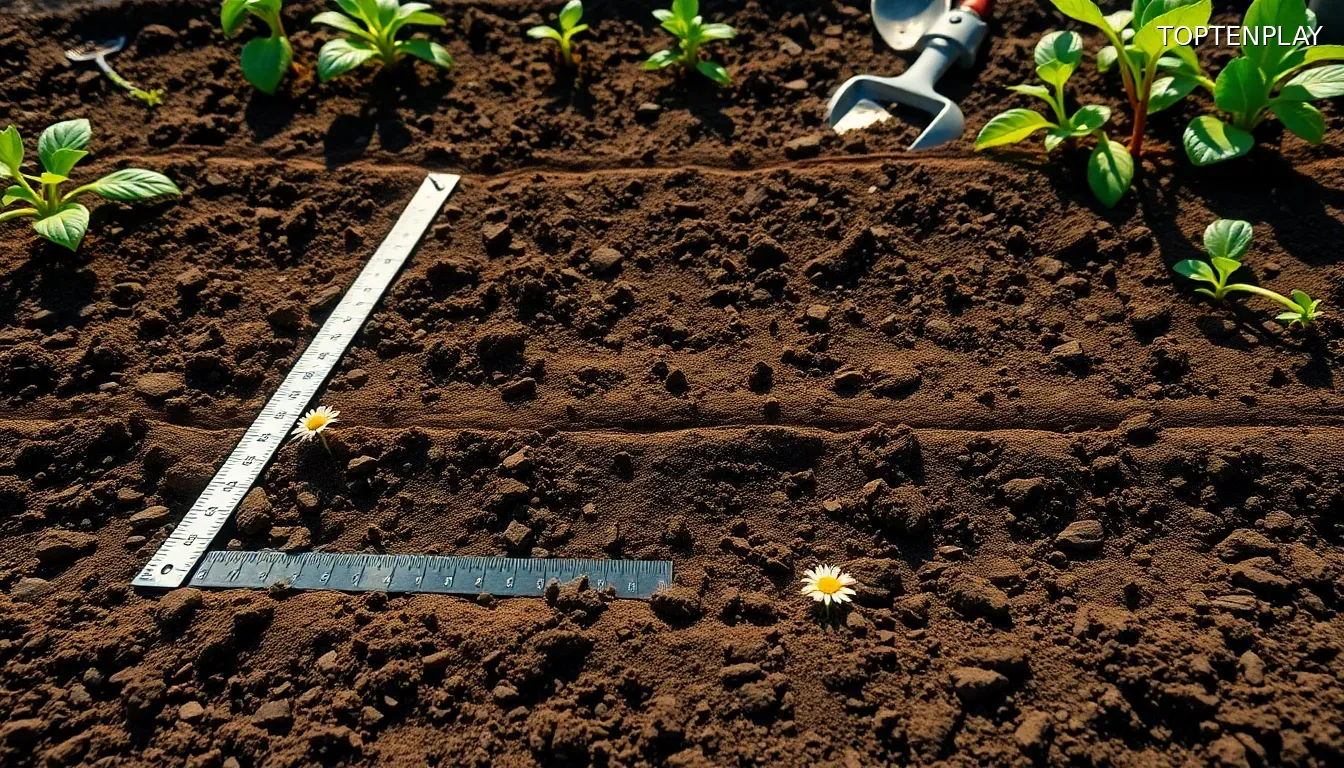
Image d’illustration © TopTenPlay EN
Cultivation Techniques For Hummingbird-Friendly Zinnias
Optimal variety selection demands equally precise cultivation timing to maximize hummingbird attraction potential. Frost sensitivity dictates the entire planting schedule, making post-frost timing absolutely critical for successful establishment.
The planting window opens exclusively after the last spring frost passes completely. This non-negotiable timing prevents seedling destruction while ensuring rapid germination in warming soil conditions. Early planting attempts inevitably result in complete crop failure, negating months of careful variety selection.
Location requirements center on full sun exposure throughout the growing day. Zinnias demand maximum solar energy to produce the high-nectar concentrations that fuel hummingbird metabolism. Partial shade locations compromise bloom production and nectar quality, reducing overall garden appeal to visiting pollinators.
Soil preparation determines long-term success more than any other cultivation factor. Loamy, well-draining soil enriched with organic compost creates the foundation for vigorous growth and sustained blooming. Poor drainage causes root rot, while depleted soil produces weak plants with minimal nectar production.
Seeding depth requires mathematical precision: exactly ¼ inch of soil coverage ensures optimal germination rates. Deeper placement prevents emergence, while surface sowing exposes seeds to desiccation and bird predation.
Advanced gardeners can accelerate the timeline by starting seeds indoors six weeks before the last projected frost date. This technique extends the blooming season significantly, providing earlier nectar sources during peak hummingbird migration periods.
Timing, location, and soil preparation form the cultivation trinity that transforms selected varieties into thriving hummingbird magnets throughout the growing season.
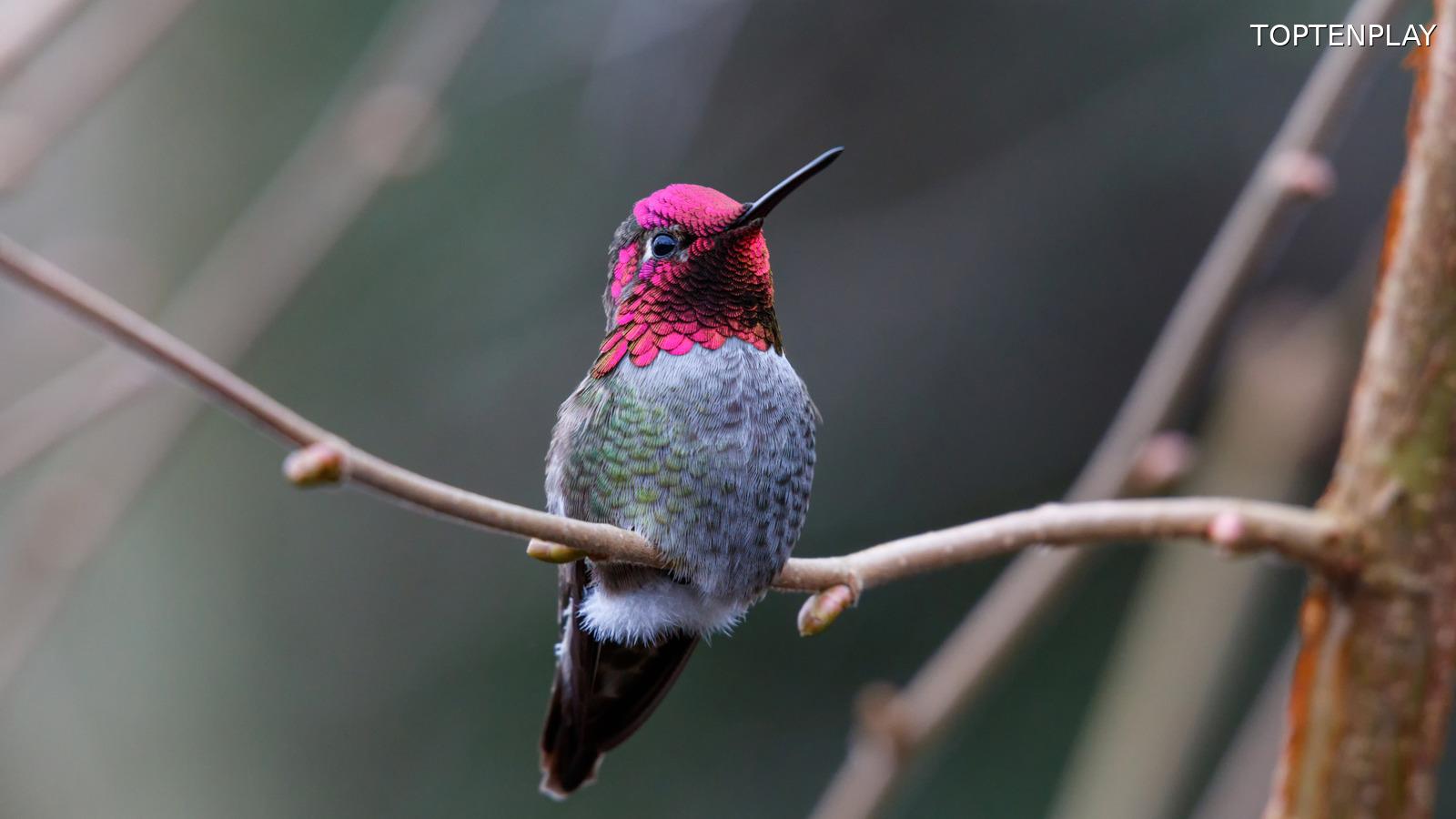
Image d’illustration © TopTenPlay EN
Strategic Garden Placement And Companion Planting
Proper cultivation techniques unlock their full potential only through strategic garden placement that maximizes hummingbird visitation frequency. Companion planting transforms isolated zinnia patches into comprehensive pollinator sanctuaries that sustain visiting wildlife throughout the growing season.
Native perennial partnerships create the foundation for sustained hummingbird attraction. Butterfly weed, asters, and bee balm provide complementary nectar sources that extend feeding opportunities beyond zinnia bloom periods. This diverse plant palette ensures continuous food availability during peak migration seasons and resident breeding cycles.
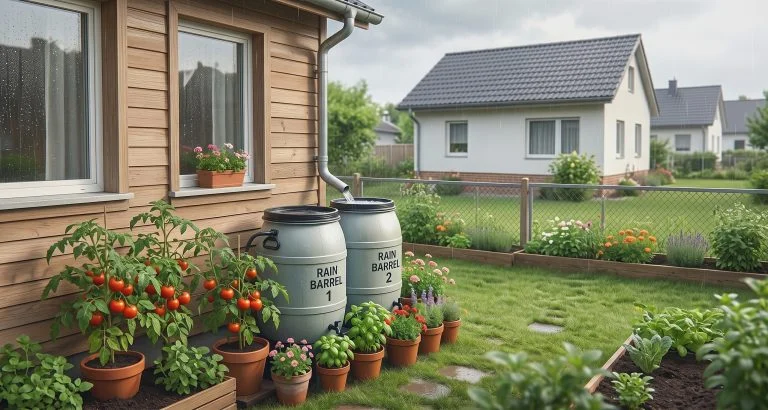
Vegetable garden integration offers unexpected advantages for space-conscious gardeners. Zinnias share identical soil and water requirements with most homegrown crops, enabling seamless incorporation without specialized growing conditions. This dual-purpose approach maximizes garden productivity while providing essential pollinator habitat within existing cultivation areas.
Mass planting strategies amplify both visual impact and wildlife benefits exponentially. Large zinnia colonies create impressive color displays that attract hummingbirds from considerable distances, while concentrated bloom clusters provide abundant forage during peak feeding periods.
The ultimate companion pairing combines zinnias with sunflowers to create what experts term a “pollinator powerhouse” configuration. This strategic partnership attracts diverse beneficial insects, butterflies, and multiple hummingbird species simultaneously, transforming gardens into comprehensive wildlife corridors.
Thoughtful placement decisions multiply individual plant benefits, creating interconnected habitat networks that support robust hummingbird populations while delivering sustained visual drama throughout the flowering season.