Image d’illustration © TopTenPlay EN
Blue Spur Flowers: The Butterfly Magnet Your Garden Needs
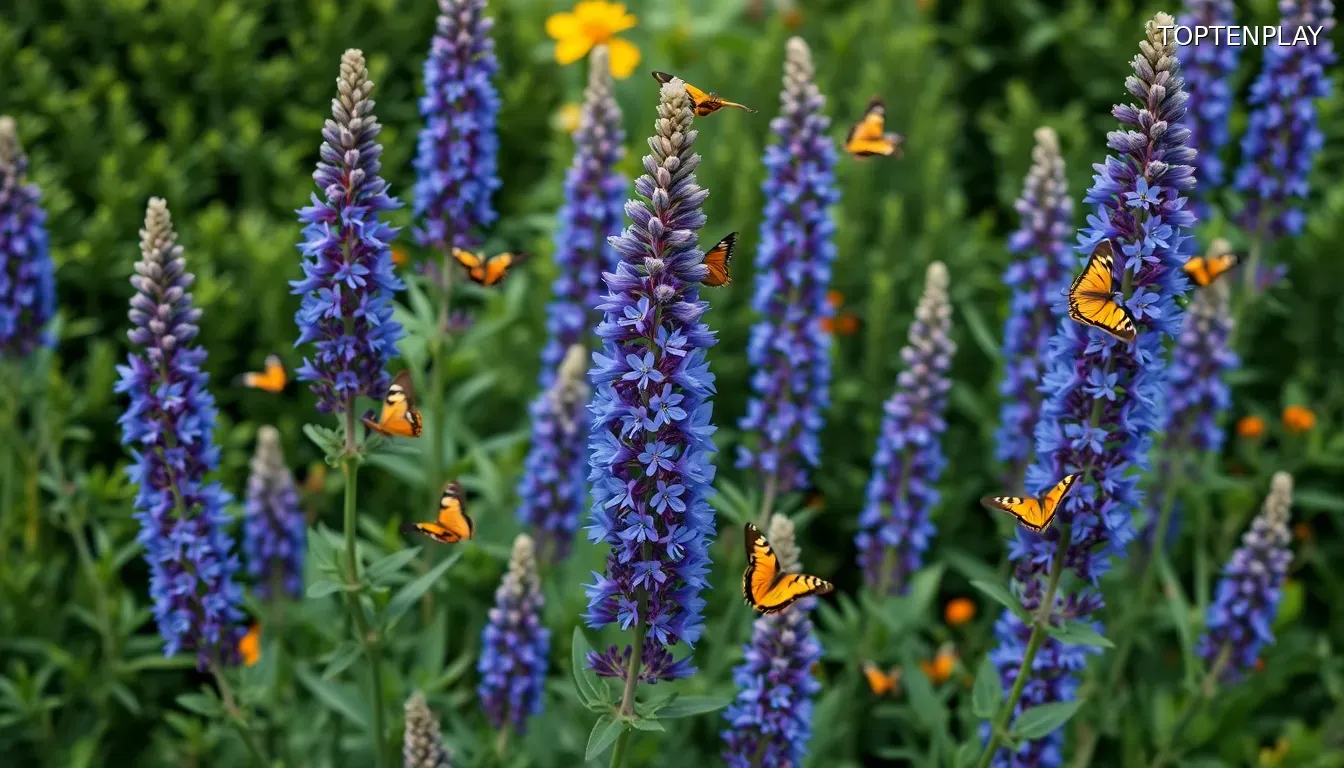
Butterfly populations are plummeting worldwide, creating an urgent need for gardeners to step up as ecological allies. The solution lies not in complex conservation programs, but in choosing the right plants for your backyard sanctuary. Enter Plectranthus barbatus, commonly known as blue spur flower or Winslow spur—a fast-growing powerhouse that transforms ordinary gardens into butterfly havens.
These remarkable shrubs don’t just attract butterflies; they create permanent ecological infrastructure. Reaching an impressive 6 to 8 feet in height, blue spur flowers quickly establish themselves as natural landscaping borders while serving dual duty as butterfly magnets. Their evergreen nature ensures year-round structure, even when their distinctive blooms appear primarily during fall and spring seasons.
Native to regions around Africa and India, blue spur flowers bring exotic appeal with practical benefits. Unlike many butterfly attractors that require annual replanting, these Plectranthus specimens become permanent garden fixtures after a modest initial investment. Their rapid development means you won’t wait years to see results—both in terms of lush growth and butterfly visitors.
The strategic advantage becomes clear when paired with companion plants like speckled spur (Plectranthus ciliatus), creating what experts call a « pollinator paradise. » This multi-layered approach addresses the complex feeding and breeding needs of butterflies while establishing a self-sustaining ecosystem that benefits both gardener and wildlife.
Understanding optimal growing conditions becomes crucial for maximizing this butterfly magnet’s potential.
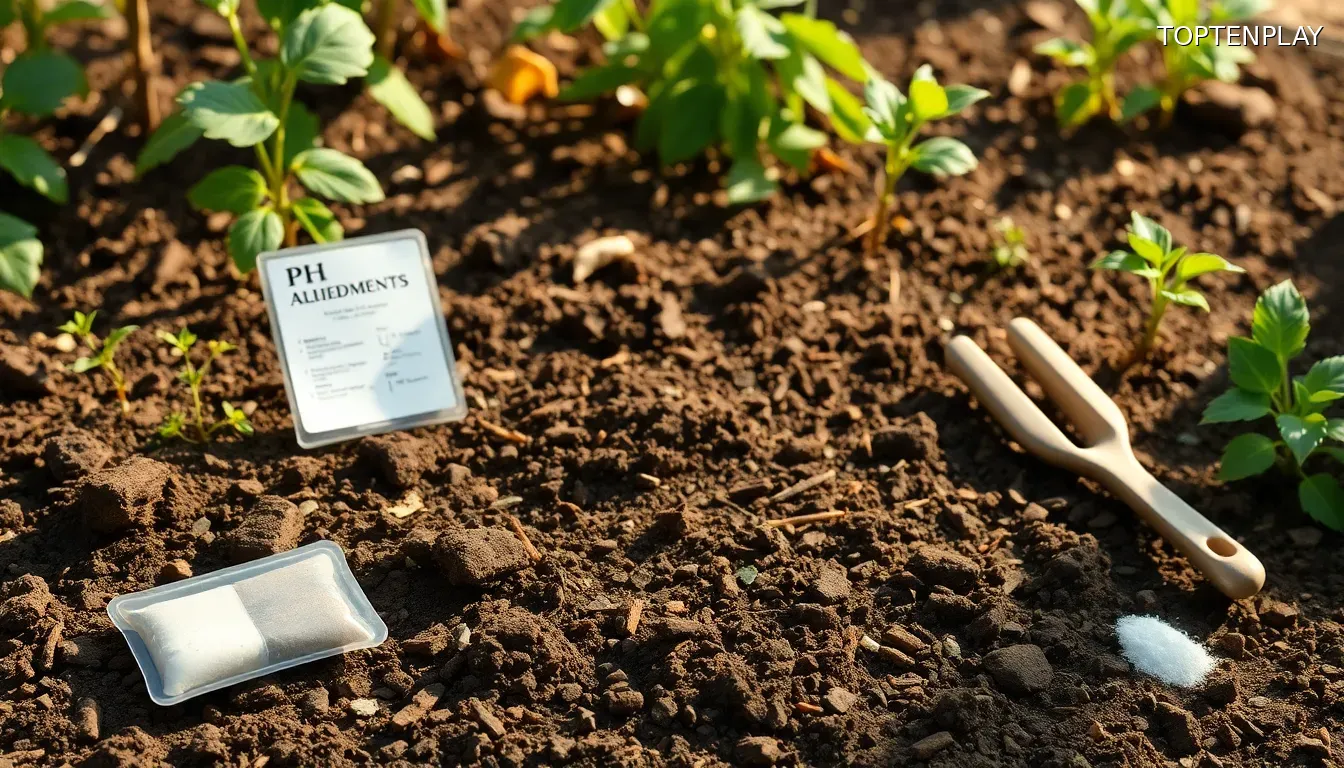
Image d’illustration © TopTenPlay EN
Mastering The Cultivation Of Plectranthus Barbatus
Success with blue spur flowers hinges on understanding their specific environmental preferences and regional limitations. These USDA zones 9 through 11 specialists thrive exclusively in America’s warmest regions—primarily the western seaboard and southern areas around the Gulf of Mexico. Gardeners outside these zones face significant cultivation challenges.
The foundation of healthy blue spur growth lies in proper soil preparation. Well-draining soil with a pH range between 6.0 and 7.5 creates optimal conditions, while high organic matter content mimics their native habitat preferences. As members of the mint family, these shrubs respond exceptionally well to lighter soil compositions that prevent waterlogging—a common cause of root failure.
Light requirements prove surprisingly flexible. Blue spur flowers adapt to conditions ranging from partial shade to full sunlight, making them versatile additions to various garden layouts. Their drought-resistant nature particularly benefits western gardeners dealing with water restrictions and intense heat conditions.
Temperature resilience adds another layer of appeal. These hardy shrubs survive temperatures as low as 20 degrees Fahrenheit, though any substantial frost will damage their evergreen foliage. This cold tolerance, combined with their historical use in traditional medicine for digestive tract issues, demonstrates the robust nature that has sustained these plants across centuries.
However, successful cultivation requires more than meeting basic environmental needs—potential challenges demand proactive management strategies.
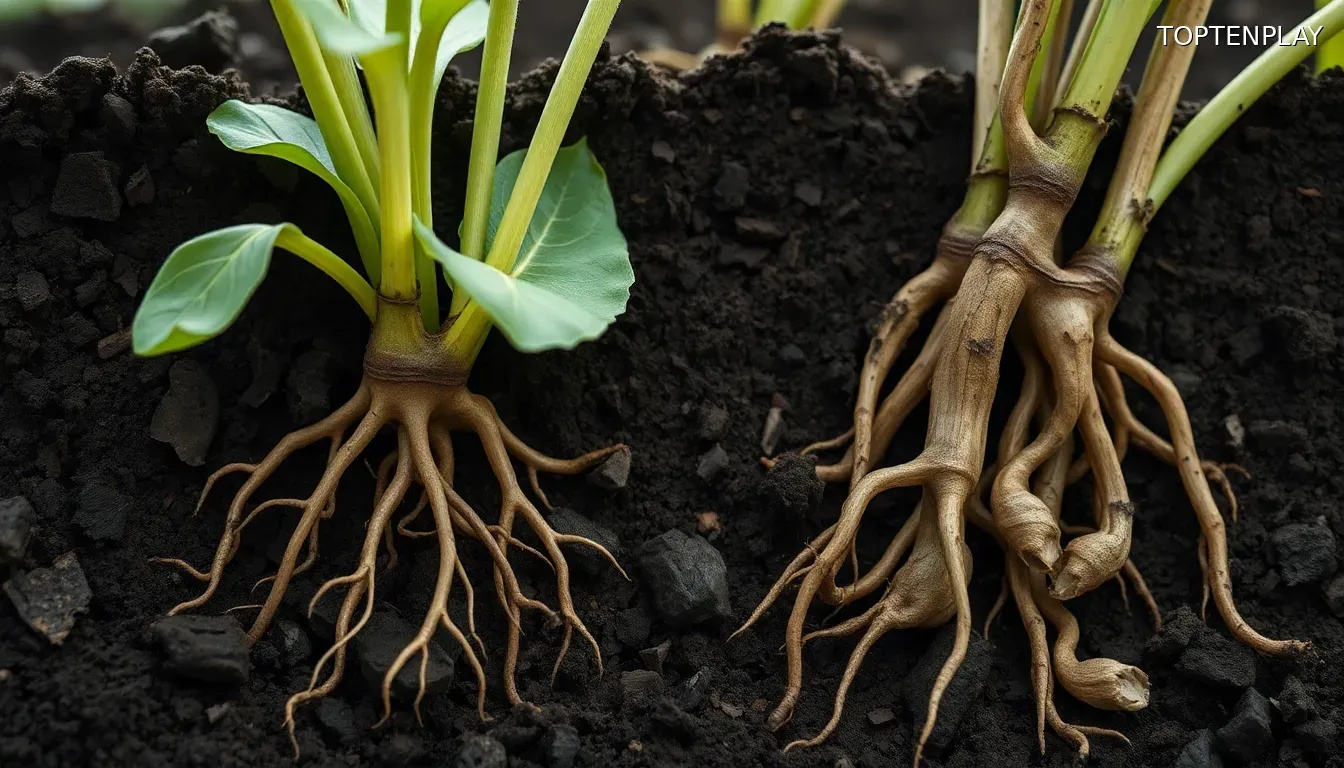
Image d’illustration © TopTenPlay EN
Overcoming Growing Challenges And Pest Management
These management strategies become critical when confronting blue spur flowers’ most persistent adversaries. Soil-borne diseases represent the primary threat to healthy plant development, with wilt complex emerging as a particularly devastating condition that can destroy entire shrub installations within weeks of infection.
Nematode infestations pose an even more insidious challenge. These microscopic soil dwellers attack root systems while simultaneously threatening the very butterfly species gardeners aim to attract. Research reveals that nematodes prey on even the most poisonous butterfly varieties, creating a dual threat that undermines both plant health and pollinator populations—precisely the opposite of intended garden goals.
The frost sensitivity paradox compounds these difficulties. While blue spur flowers survive temperatures down to 20 degrees Fahrenheit, any substantial frost episodes eliminate their evergreen foliage, leaving gardeners with bare, potentially weakened shrubs that become more susceptible to disease infiltration during recovery periods.
Coco peat emerges as a game-changing solution for these interconnected problems. This alternative growing medium provides superior drainage while creating an environment less conducive to soil-borne pathogens and nematode establishment. Gardeners transitioning to coco peat report significantly reduced disease incidents and improved butterfly activity around their blue spur installations.
Strategic medium selection transforms potential cultivation failures into thriving butterfly sanctuaries. However, individual plant success represents only the beginning of creating a comprehensive pollinator ecosystem that sustains diverse butterfly populations throughout seasonal changes.
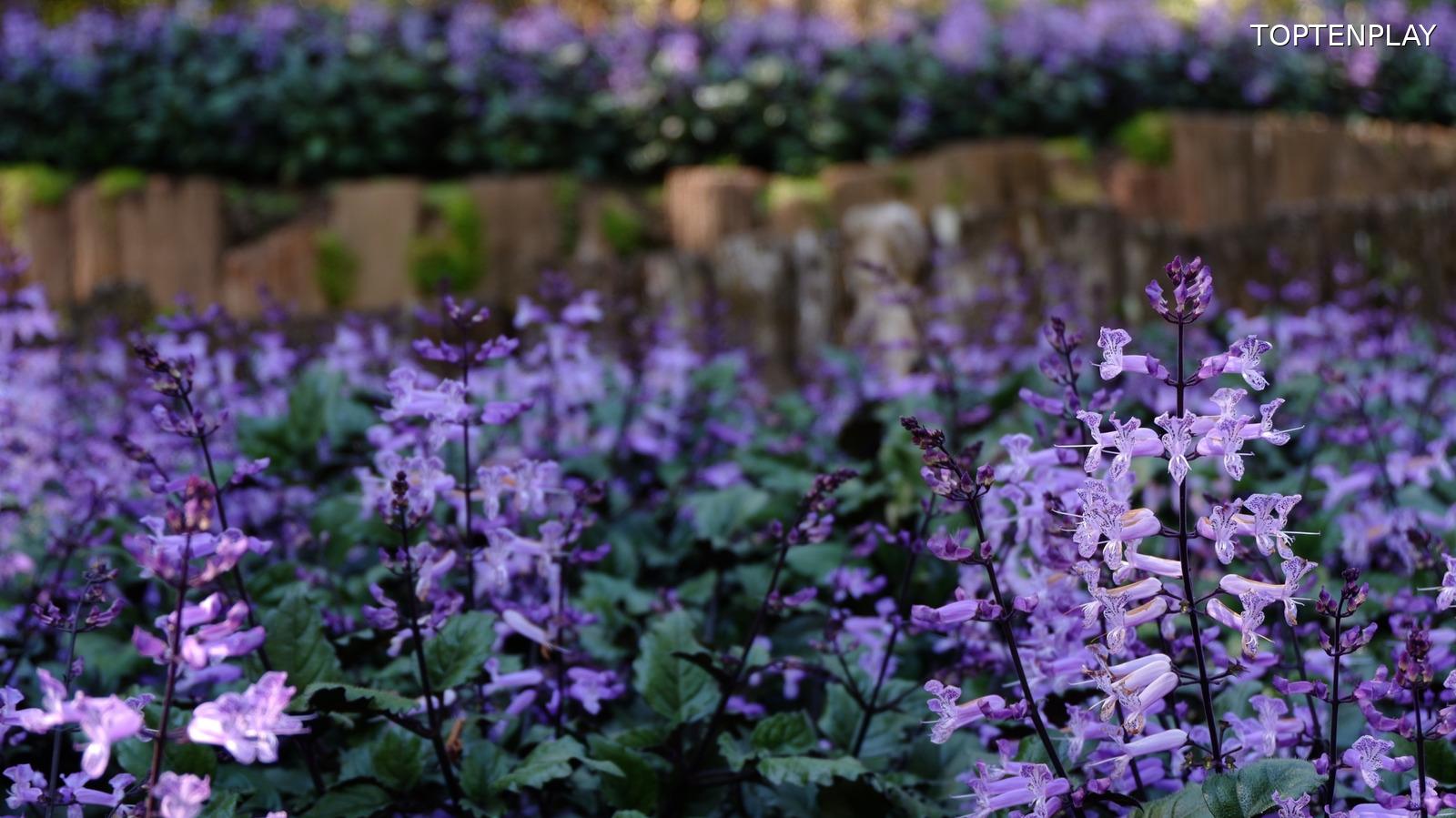
Image d’illustration © TopTenPlay EN
Creating A Comprehensive Butterfly Ecosystem
This ecosystem foundation requires strategic plant diversification that extends far beyond blue spur flowers alone. Year-round blooming cycles become essential for sustaining butterfly populations, particularly during peak activity periods in mid-to-late summer when nectar demand reaches maximum intensity.
Buckwheat, milkweed, mistletoe, asters, and lavender create complementary flowering schedules that maintain consistent food sources throughout seasonal transitions. These companion plants work synergistically with blue spur flowers, establishing a continuous nectar buffet that prevents butterfly migration to competing garden locations.
Caterpillar-friendly foliage represents the often-overlooked component of successful butterfly sanctuaries. Oak, cherry, and willow trees provide essential egg-laying sites and larval nutrition, preventing destructive caterpillar invasions of ornamental garden areas while supporting complete butterfly life cycles within contained spaces.
Regional native species selection becomes the determining factor between mediocre and exceptional butterfly attraction results. Over 14,000 butterfly and moth species inhabit the United States, each possessing unique preferences shaped by local environmental factors and evolutionary adaptation patterns that generic plant selections cannot address.
USDA zones 9-11 gardeners gain particular advantages with blue spur flowers, which serve dual purposes beyond pollinator attraction. Historical records document Plectranthus barbatus leaves functioning as natural toilet paper alternatives, providing unexpected practical benefits alongside ecological contributions—a revelation that transforms simple butterfly gardening into comprehensive sustainable living strategies.
The convergence of ecological restoration and practical utility represents modern gardening’s evolution toward multifunctional landscape design.