Image d’illustration © TopTenPlay EN
The Science Behind Epsom Salt For Plant Growth
While many gardeners swear by Epsom salt as a plant booster, understanding the science reveals why this household staple works differently than you might expect. Epsom salt is magnesium sulfate, not sodium chloride like table salt – a crucial distinction that makes all the difference for your houseplants.
The magic lies in magnesium’s fundamental role in plant biology. Plants require magnesium sulfate to produce chlorophyll, the green pigment essential for photosynthesis. Without adequate magnesium, plants simply cannot convert sunlight into energy effectively, leading to stunted growth and pale foliage.
Agricultural research supports these benefits, particularly for crop production where intensive farming depletes soil nutrients. Studies consistently show improved yields when magnesium sulfate supplements nutrient-deficient soils. However, experts emphasize a critical caveat: Epsom salt only helps plants when soil testing confirms magnesium deficiency.
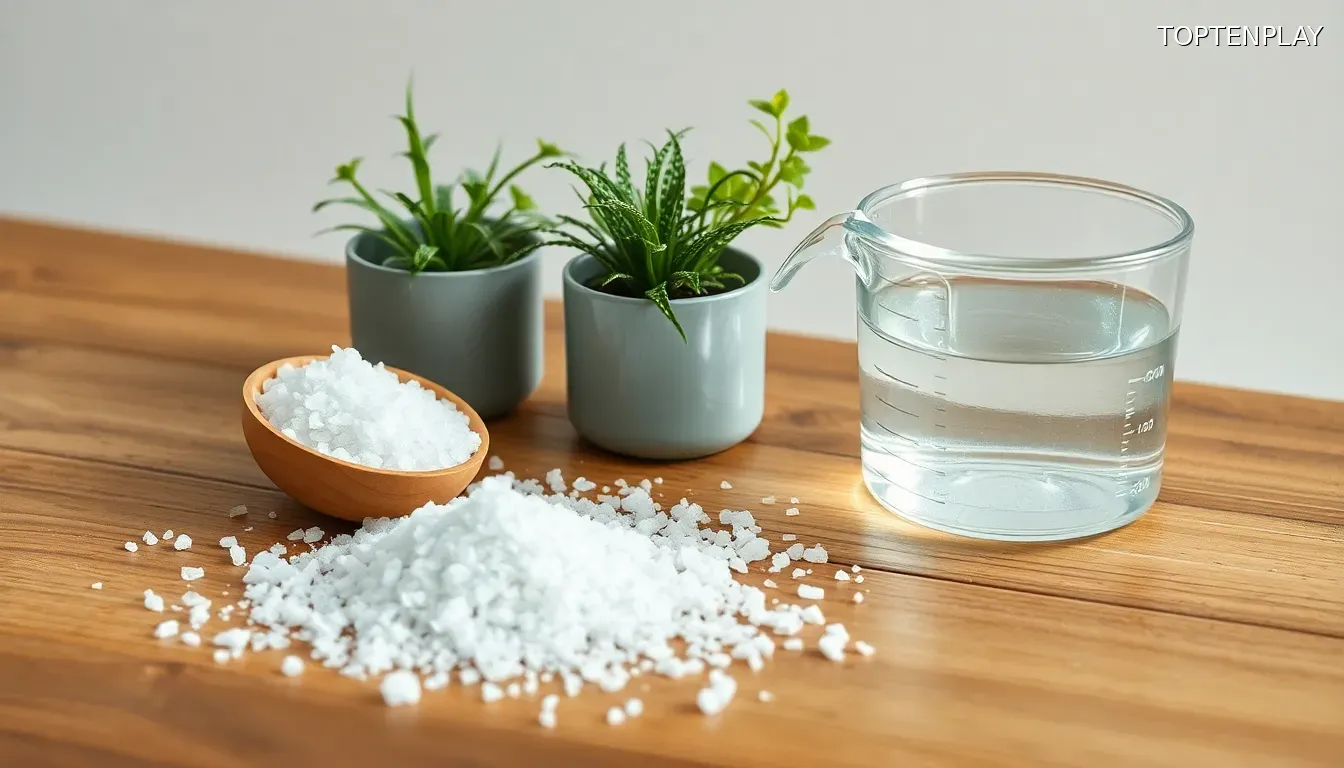
The recommended ratio starts conservatively at one tablespoon of Epsom salt dissolved in a gallon of water. This measured approach prevents overwhelming your plants while delivering targeted nutrition where needed.
Yet the research primarily focuses on large-scale agriculture, not indoor container gardening. This distinction matters because potted plants face different challenges than field crops. Their confined root systems and controlled growing medium create unique conditions that can either amplify Epsom salt’s benefits or increase the risk of nutrient imbalances.
Understanding which plants respond positively – and which ones don’t – becomes essential for successful application.
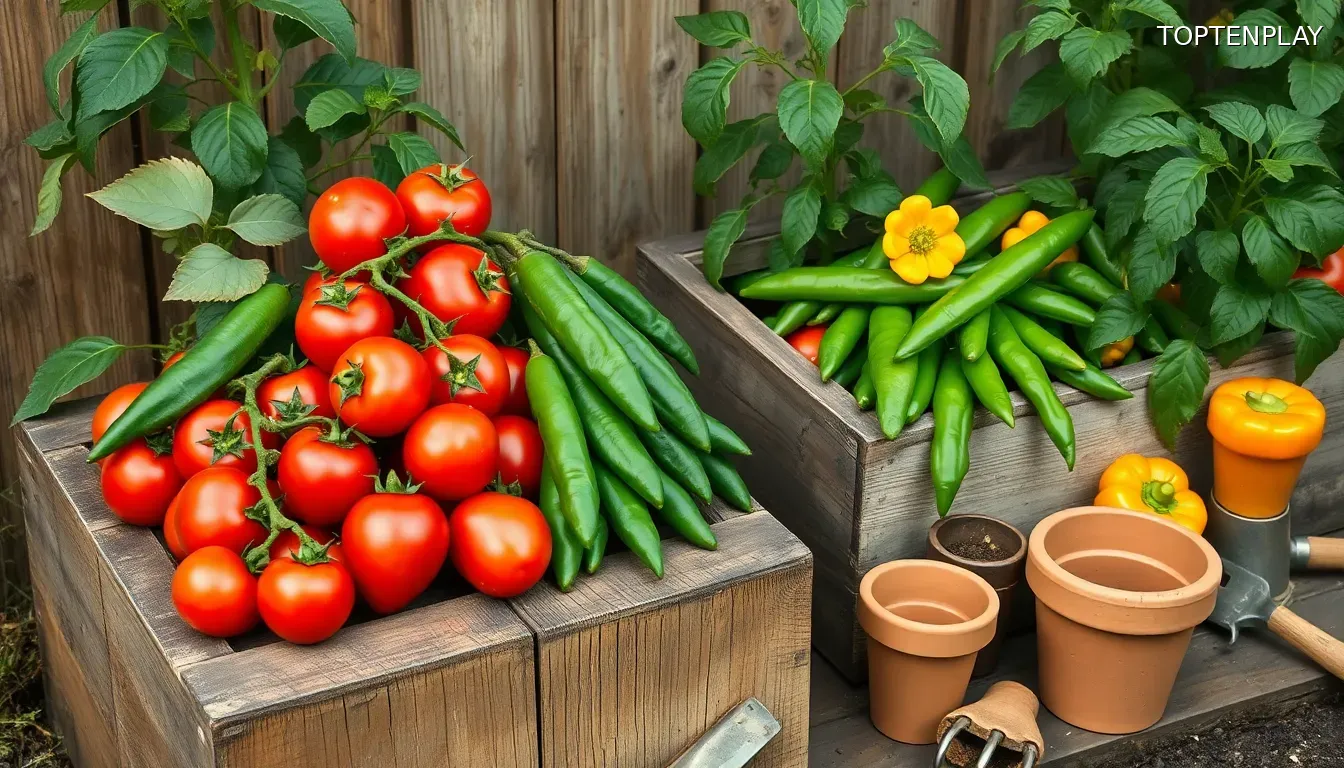
Image d’illustration © TopTenPlay EN
Which Plants Love (And Hate) Epsom Salt Treatment
Not all plants welcome magnesium sulfate with open roots. Understanding which species thrive – and which ones suffer – prevents costly gardening mistakes and ensures your efforts actually benefit your green companions.
Fruit and vegetable crops typically embrace Epsom salt treatments enthusiastically. Beans, tomatoes, peppers, corn, and cabbage show remarkable improvements when given appropriate magnesium supplementation. These productive plants demand high nutrient levels to support heavy flowering and fruiting, making them ideal candidates for Epsom salt enhancement.
However, several plant categories require caution or complete avoidance. Carnivorous species like Venus fly traps present a fascinating exception – they’ve evolved specifically for nutrient-poor environments and can be harmed by additional minerals. Adding Epsom salt disrupts their delicate adaptation to low-nutrient conditions.
Coniferous trees face an even more serious threat. Magnesium chloride has proven toxic to both pine trees and coniferous species, making its chemical cousin magnesium sulfate equally risky. The safest approach involves avoiding Epsom salt entirely for these evergreen varieties.
Tropical houseplants often display leaf yellowing when exposed to magnesium sulfate, signaling stress rather than improvement. This reaction indicates these species either don’t require additional magnesium or cannot process the supplementation effectively.
Before applying any Epsom salt solution, research your specific plant varieties. The difference between helping and harming often comes down to understanding each species’ unique nutritional requirements and tolerance levels.
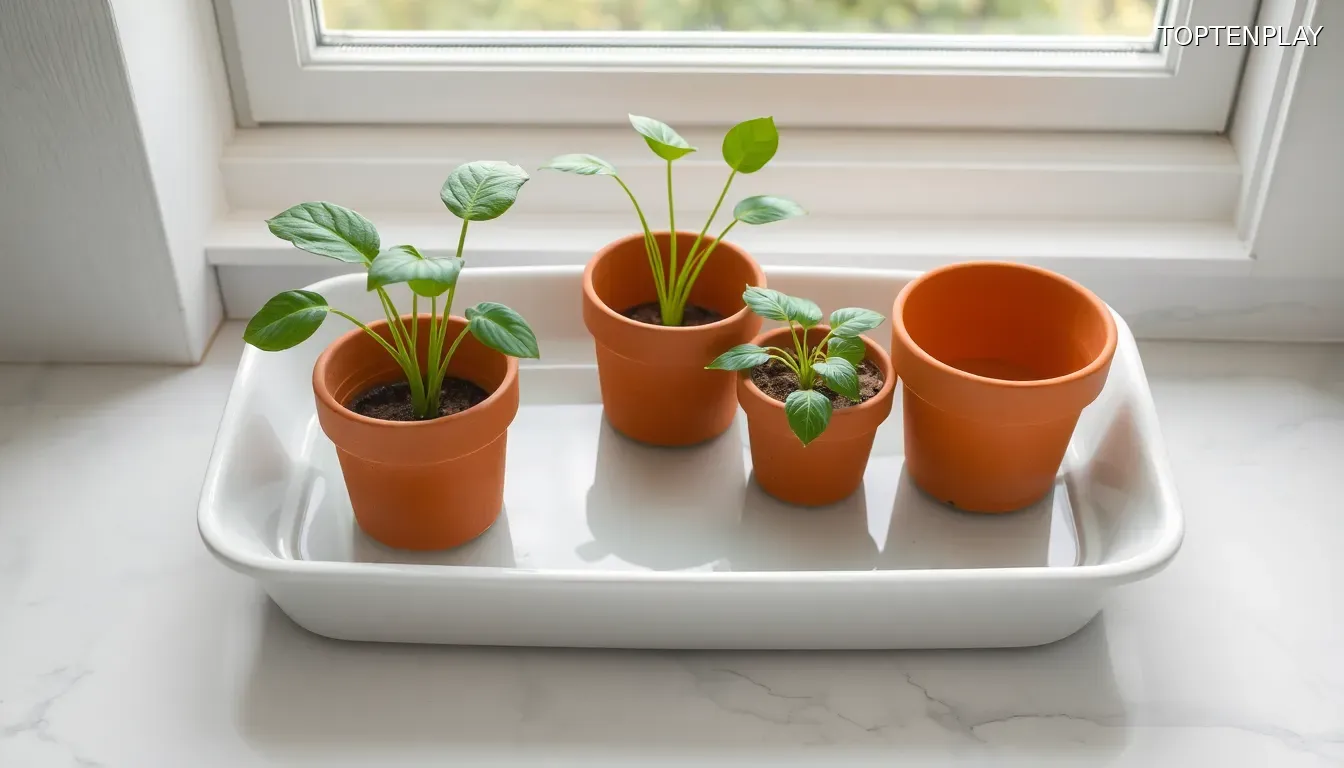
Image d’illustration © TopTenPlay EN
The Pot Soaking Method: A Superior Watering Technique
Once you’ve identified plants that benefit from magnesium supplementation, proper application method becomes crucial. Traditional top-watering often creates uneven distribution and potential root problems, making pot soaking the preferred technique among experienced gardeners.
The bottom-up absorption process transforms how plants receive nutrients. Start by mixing one tablespoon of Epsom salt into a gallon of water, ensuring complete dissolution. For smaller applications, use one teaspoon of Epsom salt total for plants in 3-gallon containers – precision matters more than abundance.
Select a container with high sides that accommodates your plant pot comfortably. Fill this larger vessel with your prepared Epsom salt solution, then position your potted plant inside. The water level should reach partway up the pot’s exterior without overflowing into the soil surface.
The magic happens through drainage holes. Over 30 to 60 minutes, soil gradually absorbs moisture from bottom to top, creating uniform hydration throughout the root zone. This methodical process prevents the water channeling and dry pockets common with traditional watering methods.
Pot soaking eliminates the risk of root rot while ensuring complete soil penetration. Unlike surface watering that can leave lower soil layers dry, this technique guarantees every particle receives adequate moisture and nutrients.
Never spray Epsom salt solution directly onto leaves – this concentrated application can scorch delicate plant tissues. The bottom-up method delivers magnesium exactly where roots can process it most effectively, maximizing benefits while minimizing potential damage.
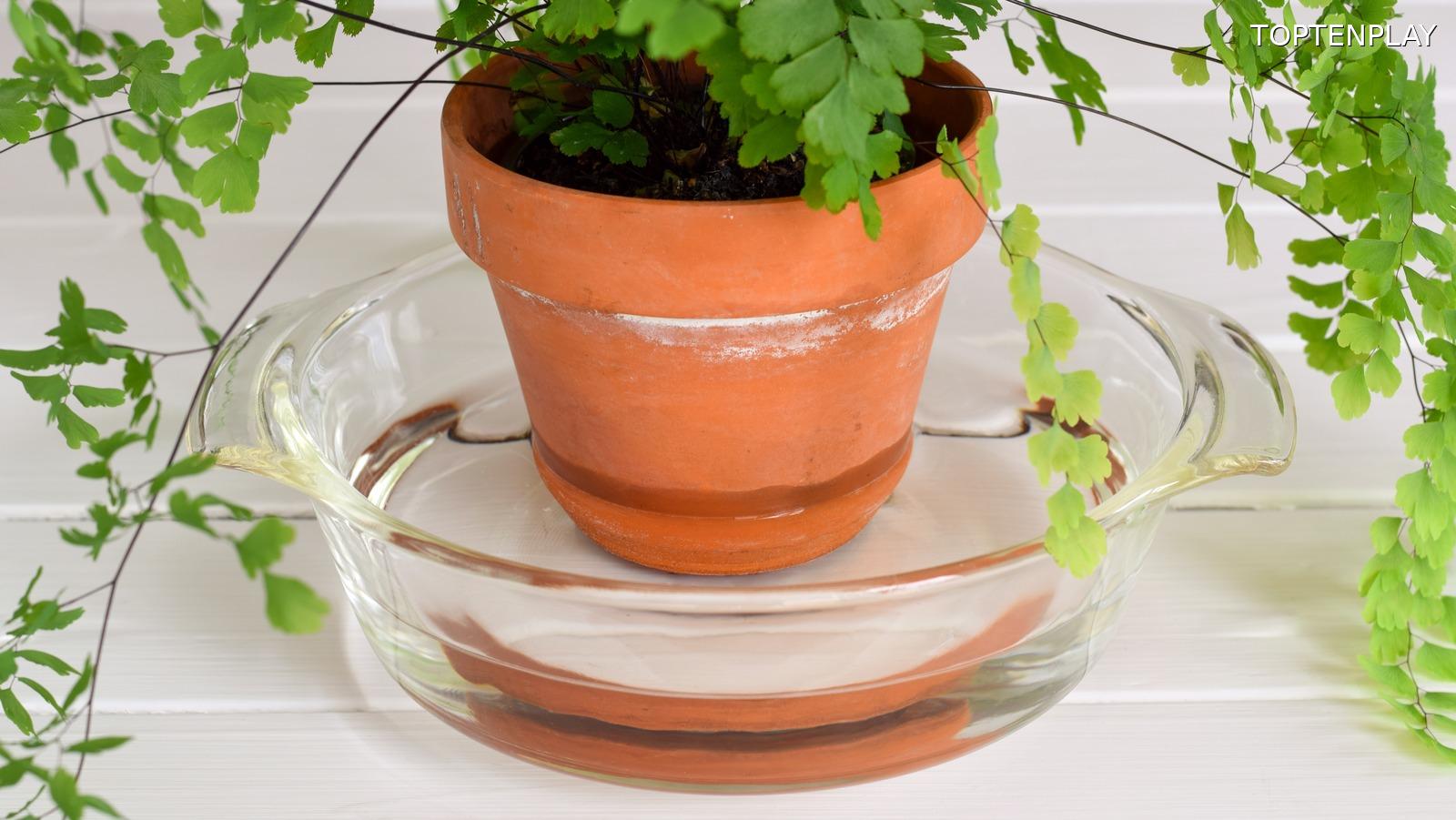
Image d’illustration © TopTenPlay EN
Safety Precautions And Expert Application Tips
While leaf spraying poses obvious scorching risks, the deeper concern lies in magnesium toxicity – a silent threat that even experienced gardeners sometimes overlook. Potted plants face significantly higher susceptibility to magnesium toxicity compared to their garden counterparts, making precision essential for indoor cultivation success.
Excess magnesium creates a cascade effect that prevents roots from absorbing other critical nutrients, essentially starving plants despite adequate feeding schedules. This nutrient lockout often manifests as yellowing leaves or stunted growth, symptoms gardeners mistakenly attribute to other deficiencies.
The “more is better” mentality proves particularly dangerous with Epsom salt applications. Start conservatively with recommended ratios and observe plant responses over several weeks before considering increases. Container plants cannot flush excess minerals through natural drainage like outdoor specimens, concentrating toxicity risks.
Clay pot pre-soaking represents another contentious practice among plant enthusiasts. Some gardeners swear by soaking terracotta containers before use, believing it prevents excessive water absorption from soil. However, results remain inconsistent, with many experts questioning whether this extra step provides meaningful benefits.
Monitor plants closely during initial Epsom salt treatments. Healthy specimens should show improved vigor within 2-3 weeks, while adverse reactions demand immediate discontinuation. Remember that magnesium supplementation addresses specific deficiencies, not universal plant needs.
Professional growers emphasize patience over frequency – monthly applications typically suffice for most species requiring magnesium support. The slow-release nature of pot soaking perfectly complements this measured approach, delivering sustained nutrition without overwhelming delicate root systems.