Image d’illustration © TopTenPlay EN
The Allure And Reality Of Amazon Tiny Homes
The ancient Latin warning caveat emptor – buyer beware – carries renewed urgency in today’s digital marketplace. With average home prices soaring across U.S. cities, the promise of owning a complete dwelling for a fraction of traditional costs naturally captures desperate buyers’ attention.
Amazon’s marketplace now hosts several questionable prefab tiny homes at mind-blowing prices that seem almost too generous to believe. These listings present an irresistible proposition: escape the crushing weight of mortgage payments and property taxes by investing in what appears to be an affordable housing solution delivered directly to your doorstep.
However, the gap between marketing promises and actual delivery reveals a troubling reality. These attractively priced structures often represent nothing more than elaborate digital facades – sophisticated scams wrapped in appealing imagery and seductive pricing structures.
The fundamental rule remains unchanged: if something sounds too good to be true, it probably is. Yet the desperation driving today’s housing market creates fertile ground for fraudsters who understand exactly how to exploit buyers’ dreams of homeownership. They’ve simply updated their tactics for the Amazon age, using the platform’s credibility and convenience to mask their deceptive intentions.
This modern twist on age-old fraud tactics targets consumers already stretched thin by housing costs, making the lure of an affordable tiny home even more compelling – and the eventual disappointment more devastating.

Image d’illustration © TopTenPlay EN
Victims Speak Out: Documented Scam Experiences
That devastating disappointment has created a growing chorus of frustrated voices. Across YouTube, testimonial videos from jilted consumers detail exactly how these cut-rate offers transformed their dreams into financial nightmares.
The stories follow disturbingly similar patterns. Buyers report cancelled orders without any refund processing, despite initial payment confirmations from Amazon. When desperate customers attempt to reach customer service representatives, they encounter a void – phone numbers that lead nowhere, email addresses that generate automated responses, and chat systems that simply don’t respond.
« I paid $12,000 for what was supposed to be my starter home, » explains one YouTube reviewer whose order vanished into digital thin air. « Six months later, I’m still fighting to get my money back. »
Even more concerning are reports of mid-transaction manipulation. Frustrated buyers describe getting the runaround during ordering processes, with sellers requesting they cancel their Amazon orders and reorder through alternative platforms for mysteriously higher prices. This bait-and-switch tactic removes Amazon’s buyer protection while increasing the seller’s profit margins.
Amazon reviewers consistently report never receiving their purchased homes – the most alarming outcome of all. These aren’t delayed shipments or quality issues; these are complete failures to deliver any product whatsoever.
The testimonials paint a clear picture: sophisticated operations designed to collect payments while providing absolutely nothing in return. The scale of documented complaints suggests this isn’t isolated fraud but rather organized schemes targeting vulnerable housing market participants.
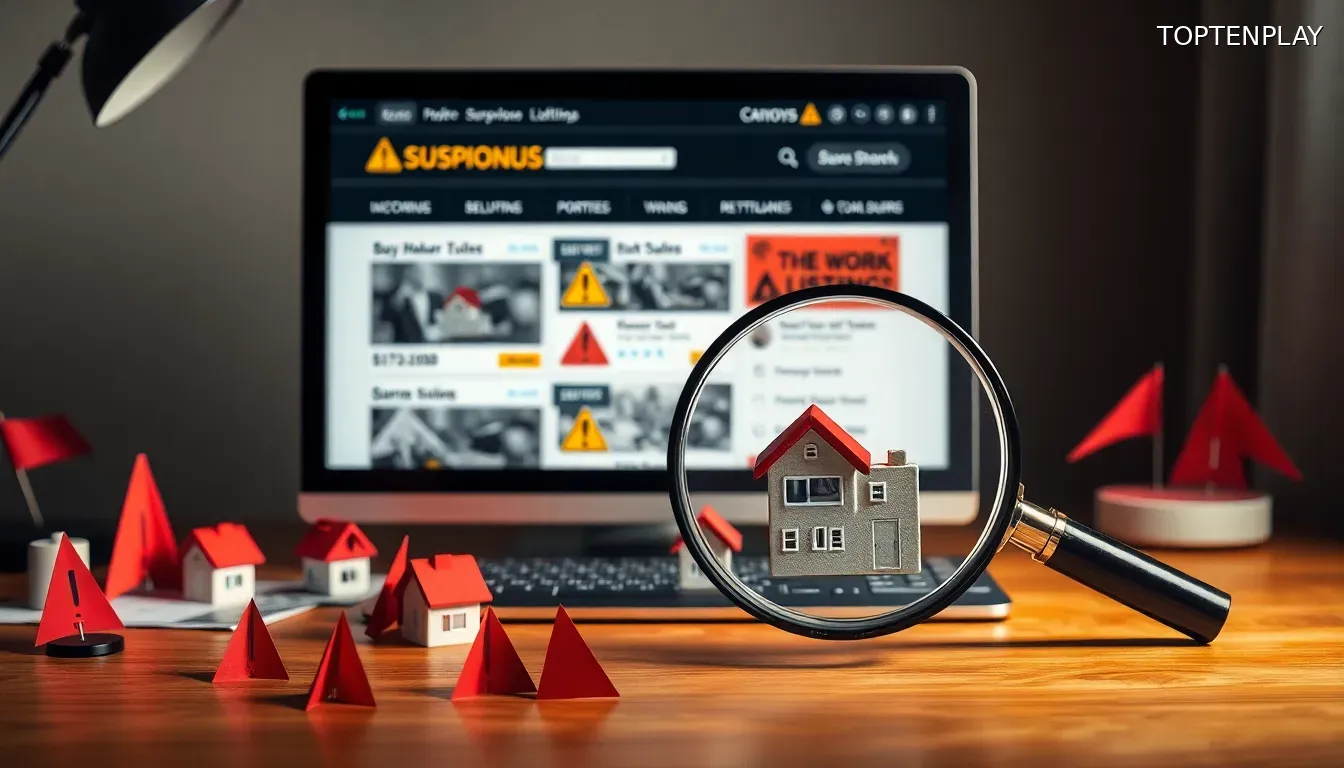
Image d’illustration © TopTenPlay EN
Red Flags Every Buyer Must Recognize
These organized schemes rely on specific tactics that savvy consumers can identify before becoming victims. Understanding their playbook transforms vulnerability into protection.
Money-related red flags dominate fraudulent operations. Shockingly low prices that seem impossible for legitimate construction costs should immediately raise suspicion. Rent-to-own options often mask payment collection schemes, while sellers who refuse PayPal or suddenly request platform switches during transactions are attempting to bypass buyer protections.
Communication requests through WhatsApp or other alternate messaging services represent another critical warning sign. Legitimate businesses maintain professional communication channels, not personal messaging apps that obscure transaction records.
The digital footprint reveals the most telling evidence. Take Saiyijixie, the business behind one widely reported scam model – this company maintains a suspiciously limited online presence beyond Amazon. When potential buyers click through to its Amazon storefront, they discover products listed under completely different brand names, a classic shell game tactic.
Even companies with dedicated websites aren’t automatically legitimate. Fraudulent websites typically fail to explain who they are as businesses, lacking basic company information, physical addresses, or verifiable contact details. These hollow digital facades exist solely to create an illusion of legitimacy.
« The absence of genuine business identity is the biggest tell, » notes one consumer protection advocate reviewing these schemes.
Smart buyers invest extra research time before committing to any purchase. A few minutes of due diligence can prevent months of financial recovery battles.

Image d’illustration © TopTenPlay EN
Fighting Back: Recovery Options For Scam Victims
When prevention fails and financial recovery battles begin, victims aren’t powerless. The Federal Trade Commission provides clear guidance that transforms despair into actionable hope.
Despite the sophistication of these fraudulent operations, nearly every payment method offers recourse options. This comprehensive protection network spans traditional and modern financial instruments, creating multiple pathways to recovery.
Credit and debit card users possess the strongest protection mechanisms. Contact your card issuer immediately to flag the purchase as fraudulent – these companies maintain dedicated fraud departments specifically designed to handle such disputes. Banks typically reverse charges while conducting investigations, providing immediate financial relief.
Cash app transactions, while seemingly more vulnerable, aren’t hopeless. Most digital payment platforms maintain fraud protection protocols and dispute resolution processes. Document all communication attempts with the seller and submit formal complaints through the app’s customer service channels.
Wire transfers and cryptocurrency payments require different approaches but remain recoverable. Contact the intermediary financial institution or exchange platform to report the fraudulent activity. The Federal Trade Commission reassures consumers that with nearly any payment method, there’s a way to recoup fraudulent investments.
« Whether you paid with a cash app, credit or debit card, wire transfer, or with cryptocurrency, » the FTC guidance emphasizes, immediate action maximizes recovery chances.
Speed matters critically in fraud recovery. The sooner victims initiate the dispute process, the higher their probability of full restitution. These scammers count on consumer inaction – don’t give them that advantage.