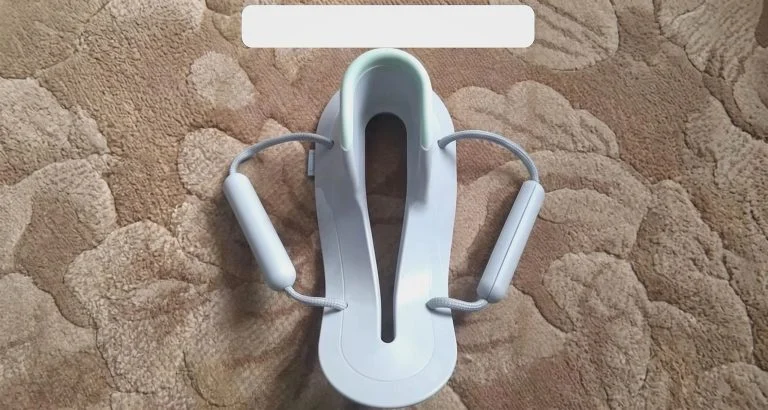
The implicit message is clear: if you don’t have a thigh gap, you haven’t tried hard enough. That framing is not only misleading — it is, according to experts, factually wrong. The standard has persisted precisely because it is presented as a goal rather than a genetic trait.
Social media has amplified this ideal to unrealistic extremes, packaging it as the ultimate sign of thinness. The result is a steady stream of content aimed mostly at young women, promoting a body feature that the majority of people are simply not built to have.
Why the thigh gap became a trend
The thigh gap gained mainstream visibility in the early 2010s, initially through fashion imagery and later through social media platforms. It became associated with extreme thinness and was quickly adopted as a benchmark in online fitness and diet communities. Despite widespread criticism from health professionals, the trend has continued to resurface in new formats on TikTok and Instagram.
What Dr. Ross Perry and bone structure actually explain
The science here is straightforward. Whether or not a person has a thigh gap depends almost entirely on factors outside their control: pelvic width, femur alignment, and natural muscle distribution. These are structural characteristics set by genetics, not variables that respond to calorie restriction or leg workouts.
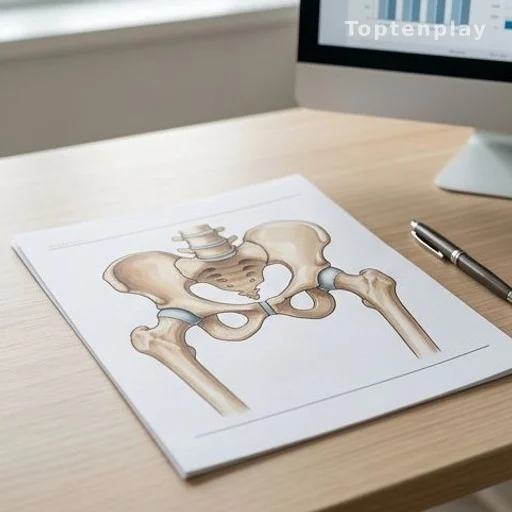
According to Dr. Ross Perry, a British medical expert, the thigh gap is "simply the result of a specific skeletal shape — not a marker of health or fitness." In other words, it tells you something about a person’s hip-to-femur geometry. It tells you nothing about how healthy, strong, or disciplined they are.
A person could be at their slimmest and still not have a thigh gap. Conversely, someone could have one without ever exercising. No amount of dieting changes the angle at which the femur meets the pelvis — and that angle is the primary factor determining whether the thighs touch when standing.
Posing, lighting, editing: how the illusion is manufactured
Even the images most commonly used to promote the thigh gap ideal are not what they appear. Many models and celebrities who seem to have a thigh gap in photographs owe the effect to strategic posing, lighting, or digital editing — not to their natural body shape.

This manufacturing of the ideal makes it doubly unattainable: not only is the underlying trait genetic, but the reference images themselves are often artificially constructed. Women comparing themselves to these photos are, in many cases, measuring themselves against something that does not exist as shown.
Suggested Posts

The study desk puzzle that tricks your brain into missing the obvious
A study desk with books, pens, and a lamp sounds like the easiest possible setting for a spot-the-difference puzzle. Yet that very familiarity is…