The gap between the image and reality is rarely acknowledged in the content that promotes the trend. Tutorials and challenges present the goal as achievable through effort, without disclosing the role of camera angles or post-production — a form of omission that shapes how millions of users perceive their own bodies.
Extreme dieting and over-exercising: the documented health risks
The consequences of chasing an unattainable standard are not abstract. According to the source, the thigh gap ideal has been directly linked to extreme dieting and over-exercising, particularly among young women. These behaviors carry real health risks, from nutritional deficiencies to stress fractures and disordered eating patterns.
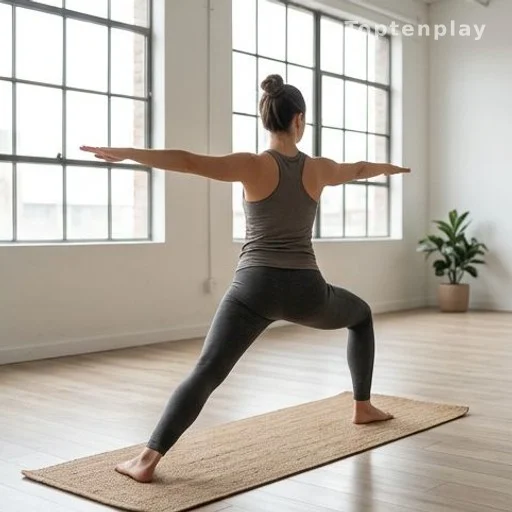
Health professionals point to strength training, mindful movement — such as yoga or Pilates — and self-compassion as more constructive approaches to physical well-being. These alternatives prioritize what the body can do over how it appears, a shift that mental health practitioners increasingly recommend as a counter to harmful social media influences.
The broader point, as framed by Dr. Perry’s assessment, is that "bodies aren’t meant to fit a single mold." Diversity in shape and skeletal structure is biological reality. A fitness or health goal built around a trait that most people cannot physically achieve — regardless of effort — is not a wellness standard. It is, by definition, an impossible one.
With social media platforms under increasing regulatory pressure in several countries to label digitally altered images and restrict content that promotes harmful body standards, the question of how the thigh gap trend is moderated — and by whom — remains open. Whether TikTok and Instagram will enforce stricter policies on this type of content, and what effect such measures would have on the millions of young women already exposed to it, are questions that health advocates and platform regulators have yet to fully resolve.
Suggested Posts

The study desk puzzle that tricks your brain into missing the obvious
A study desk with books, pens, and a lamp sounds like the easiest possible setting for a spot-the-difference puzzle. Yet that very familiarity is…