
The result is a painful mismatch: one person walks away feeling emotionally attached, while the other remains entirely detached. This asymmetry is not a character flaw or a sign of weakness. It is a biological reality that makes certain encounters far more costly than they appear on the surface.
Left unaddressed, this one-sided bonding can fuel anxious attachment patterns — a cycle of obsessive thoughts, compulsive checking, and an inability to disengage from someone who was never truly invested. Mental health professionals increasingly flag this dynamic as a gateway to longer-term anxiety and relationship dysfunction.
Dismissive partners erode self-worth in ways that are hard to name
Inconsistency and emotional unavailability from an intimate partner carry a specific kind of damage. The experience sends a quiet, repeated message: you are not worthy of real care. Over time, that message becomes internalized — not as a conscious belief, but as a default setting.

This erosion of self-worth is particularly insidious because it rarely announces itself. There is no single breaking point. Instead, confidence and self-trust diminish gradually, making it harder to recognize the pattern or name what has been lost.
The consequences extend well beyond the relationship itself. Lowered self-trust affects decision-making, tolerance for mistreatment in future relationships, and the ability to hold firm boundaries. Addressing this kind of damage is a central focus of many therapy approaches targeting self-esteem and relational trauma.
Why this is a mental health issue, not just a personal one
Attachment theory, developed by psychologist John Bowlby and expanded by decades of research, establishes that early and repeated relational experiences shape how people form bonds throughout their lives. Intimacy with emotionally unsafe partners does not occur in a vacuum — it intersects with existing attachment styles, self-esteem, and past relational wounds. Mental health professionals increasingly treat the aftermath of such experiences as a legitimate area of clinical focus.
Regret rooted in broken boundaries, not moral judgment
The regret that follows intimacy with the wrong person is frequently misread — including by the person experiencing it. It is rarely about morality or external judgment. It is about the specific ache of having acted against one’s own values or boundaries.

That distinction matters. When regret is framed as shame, it tends to shut down reflection and self-compassion. When it is understood as a signal from an inner compass that was overridden, it becomes information — something to listen to rather than suppress.
Suggested Posts
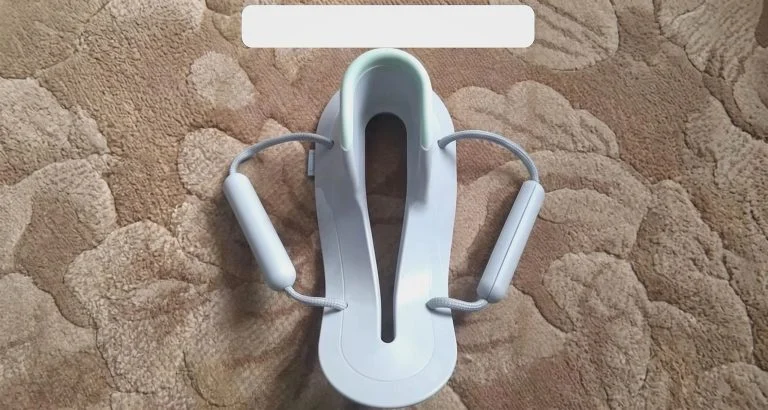
He found a mystery object in a drawer — the internet solved it
A man helping his girlfriend tidy her room came across an unfamiliar object tucked inside a drawer — two handles, a curved shape, and…