Recognizing this form of regret as a boundary violation rather than a moral failure is a meaningful shift. It redirects energy away from self-punishment and toward understanding what conditions led to the compromise in the first place — a far more productive starting point for emotional well-being.
Old wounds carried forward: how unresolved intimacy shapes future relationships
Unresolved experiences of intimacy do not stay contained. They travel into new relationships, distorting perception and lowering the baseline for what feels acceptable. Someone accustomed to emotional unavailability may unconsciously seek it out again — not because they want it, but because it feels familiar.
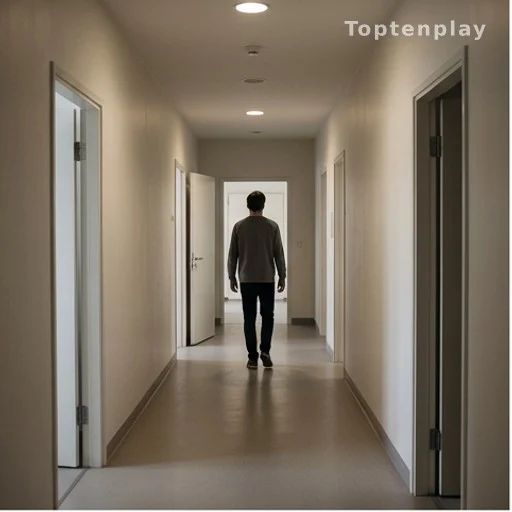
One of the most documented consequences is the confusion between intensity and love. High-conflict, emotionally volatile dynamics can register as passion when they are, in fact, recreations of earlier unresolved pain. The result is a pattern of chasing connections that feel electric but leave the person depleted.
Settling for less — described as accepting crumbs because full meals feel unfamiliar — is another well-recognized outcome. Breaking this cycle typically requires deliberate work: identifying the original wound, understanding how it shaped expectations, and gradually recalibrating what healthy connection looks and feels like. For many, structured therapy or counseling provides the framework to do exactly that.
The clearest next step for anyone recognizing these patterns is professional support: a therapist or counselor specializing in attachment and relational trauma can help map the specific ways past intimacy has shaped current behavior. Open questions remain about how digital dating culture accelerates exposure to emotionally unavailable partners and whether early intervention — particularly in adolescent mental health education — could reduce long-term psychological costs. Those questions are beginning to drive new research in relational psychology.
Suggested Posts

The study desk puzzle that tricks your brain into missing the obvious
A study desk with books, pens, and a lamp sounds like the easiest possible setting for a spot-the-difference puzzle. Yet that very familiarity is…