
Skin health depends heavily on the body’s ability to grow new cells, repair damage, and maintain its protective barrier. Minerals play a central role in all three of these processes, helping the skin stay strong and resilient against external stressors.
Among the minerals most critical to skin function, zinc, copper, and selenium stand out. Each contributes to the skin’s capacity to repair itself and resist the kind of cellular damage that can accelerate visible aging, including the formation of age spots.
Selenium’s role: neutralizing the free radicals that age your skin
Selenium is a trace mineral — needed only in small amounts — but its impact on the body is significant. Its primary function at the cellular level is to protect skin cells and other tissues from damage caused by free radicals, unstable molecules that attack healthy cells and accelerate the aging process.
When free radical activity goes unchecked, it can trigger a range of skin problems. The resulting oxidative stress is closely linked to the development of age spots, as pigment-producing cells in the skin can become overactive or damaged in response to this cellular pressure.
Beyond skin protection, selenium also supports two other vital systems: the immune system and the thyroid. A deficiency in this mineral therefore has consequences that extend well beyond cosmetic concerns, affecting the body’s broader ability to regulate and defend itself.
What are age spots?
Solar lentigines, commonly known as age spots or liver spots, are among the most frequent visible signs of skin aging. They form when melanin — the pigment responsible for skin color — becomes concentrated in areas repeatedly exposed to ultraviolet light. While they are generally harmless, their appearance is closely tied to oxidative stress at the cellular level.
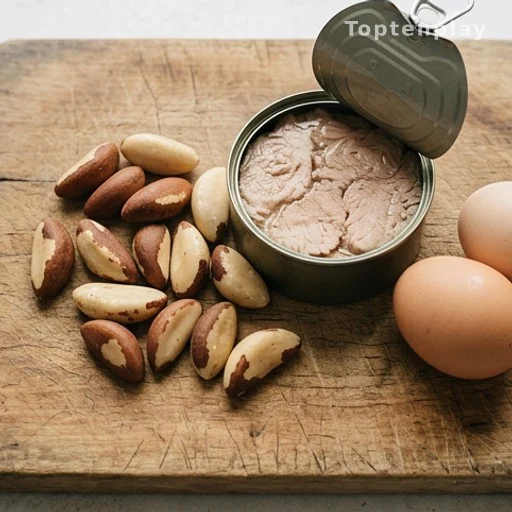
Brazil nuts, tuna, eggs: the best dietary sources of selenium
The most reliable way to maintain healthy selenium levels is through diet. Brazil nuts are among the richest natural sources available — a single nut can contain a significant portion of the daily recommended intake. Fish such as tuna and sardines are also strong sources, making them a practical option for regular consumption.
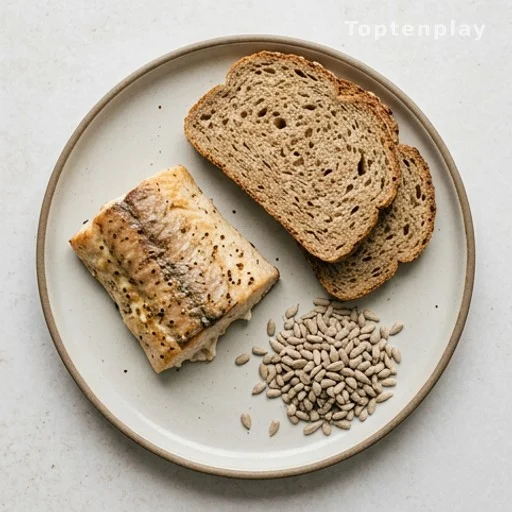
Other accessible foods that contribute to selenium intake include eggs, sunflower seeds, and whole grains. For those who eat them, organ meats such as liver provide particularly high concentrations of the mineral.
Suggested Posts

A mystery object in hand turns out to be a vintage tape dispenser
A small, polished golden-brown object sat in someone's hand with no obvious purpose — no label, no instructions, no obvious mechanism. Online searches and…