Image d’illustration © TopTenPlay EN
Weather Monitoring: The Critical Factor For Tomato Success
While tomatoes promise rewarding harvests, their extreme sensitivity to temperature fluctuations creates the first major challenge for gardeners. Frost represents an immediate death sentence for tomato plants, making weather surveillance absolutely essential throughout the growing season.
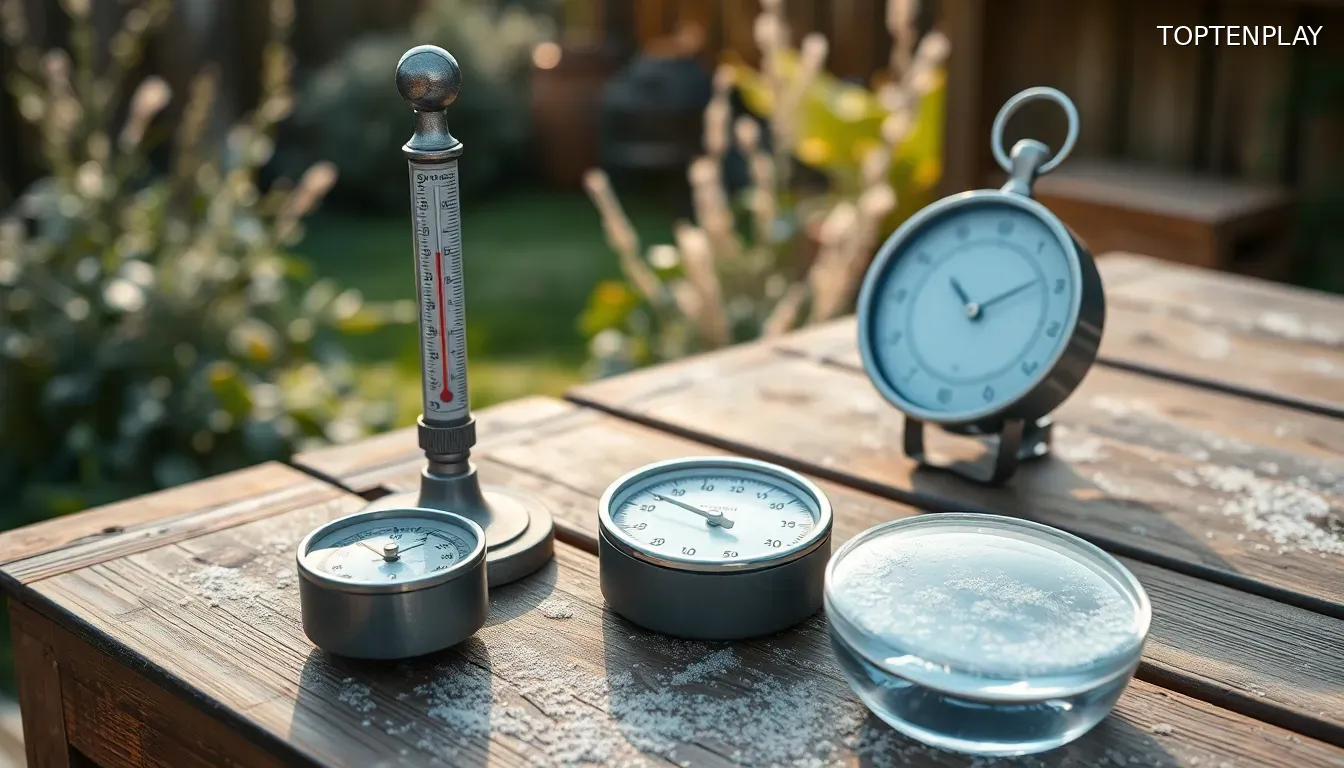
The temperature threshold proves surprisingly high. Even without frost conditions, overnight temperatures below 55 degrees Fahrenheit cause devastating blossom loss, effectively eliminating your future harvest. This narrow tolerance window means constantly checking weather forecasts becomes a non-negotiable gardening routine.
For plants already established outdoors, protection strategies require quick action. Container-grown tomatoes can be moved indoors during cold snaps, while ground-planted varieties need emergency covering with cotton sheets, cloche cloth, or cardboard boxes. The margin for error remains virtually nonexistent.
Starting from seeds compounds these temperature challenges significantly. Gardeners must calculate backwards from their area’s average final frost date, beginning indoor seed cultivation exactly six weeks prior. The process doesn’t end with germination – hardening off becomes crucial, requiring gradual outdoor exposure over approximately one week before permanent transplanting.
This temperature dependency transforms tomato cultivation from simple planting into active weather management. Each forecast demands evaluation, each cold front requires preparation, and each miscalculation risks losing entire plants. The delicate balance between indoor protection and outdoor growth creates ongoing logistical complexity that extends well beyond basic gardening skills, setting the foundation for understanding why successful tomato cultivation demands such careful environmental planning.
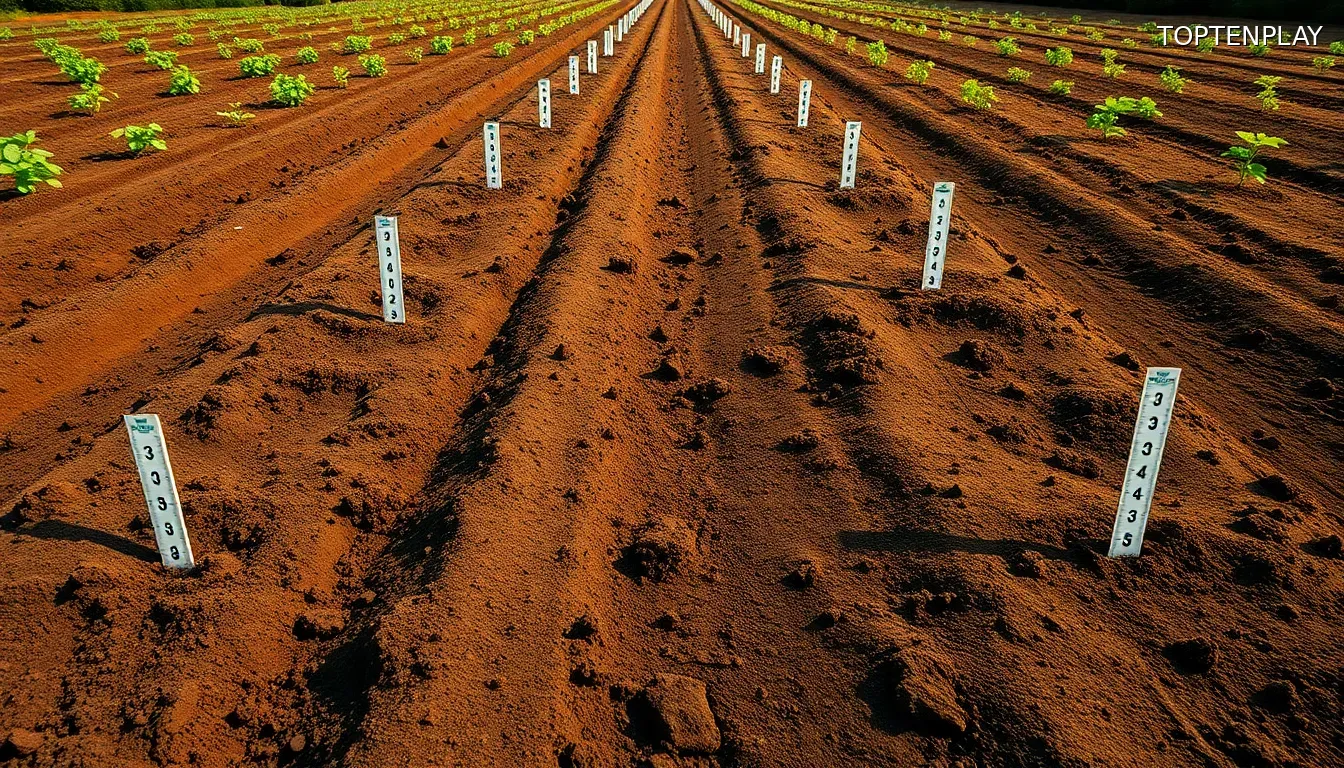
Image d’illustration © TopTenPlay EN
Location Selection: Meeting Demanding Sunlight And Spacing Requirements
Beyond temperature management, tomato cultivation presents equally demanding spatial challenges that often force gardeners to reconsider their entire garden layout. These plants require minimum six hours of full sunlight daily, with optimal performance occurring between eight to ten hours of direct exposure.
This sunlight dependency immediately eliminates many traditional vegetable garden locations. Partially shaded areas that work perfectly for lettuce or herbs become completely unsuitable for tomatoes. Gardeners frequently discover they must convert entirely new yard sections into dedicated tomato growing spaces, abandoning existing garden plots that lack adequate sun exposure.
Spacing requirements further complicate location selection. The plants cannot simply be crowded into available sunny spots – proper airflow between plants proves essential for disease prevention and healthy growth. Rows must maintain three feet of separation, while individual plants require between one and a half to three feet of spacing, depending on variety and growing method.
Staked varieties can tolerate closer spacing than those allowed to sprawl outward, but even the most compact arrangements demand significant garden real estate. A modest four-plant tomato patch requires approximately 36 square feet of prime sunny location, assuming minimal spacing configurations.
These dual requirements – intensive sunlight and generous spacing – often force difficult decisions. Many gardeners find themselves choosing between maintaining diverse vegetable gardens or dedicating premium space to tomato cultivation. The plants’ non-negotiable environmental needs transform simple garden planning into complex spatial optimization, where every square foot of available sunshine becomes precious real estate requiring strategic allocation.
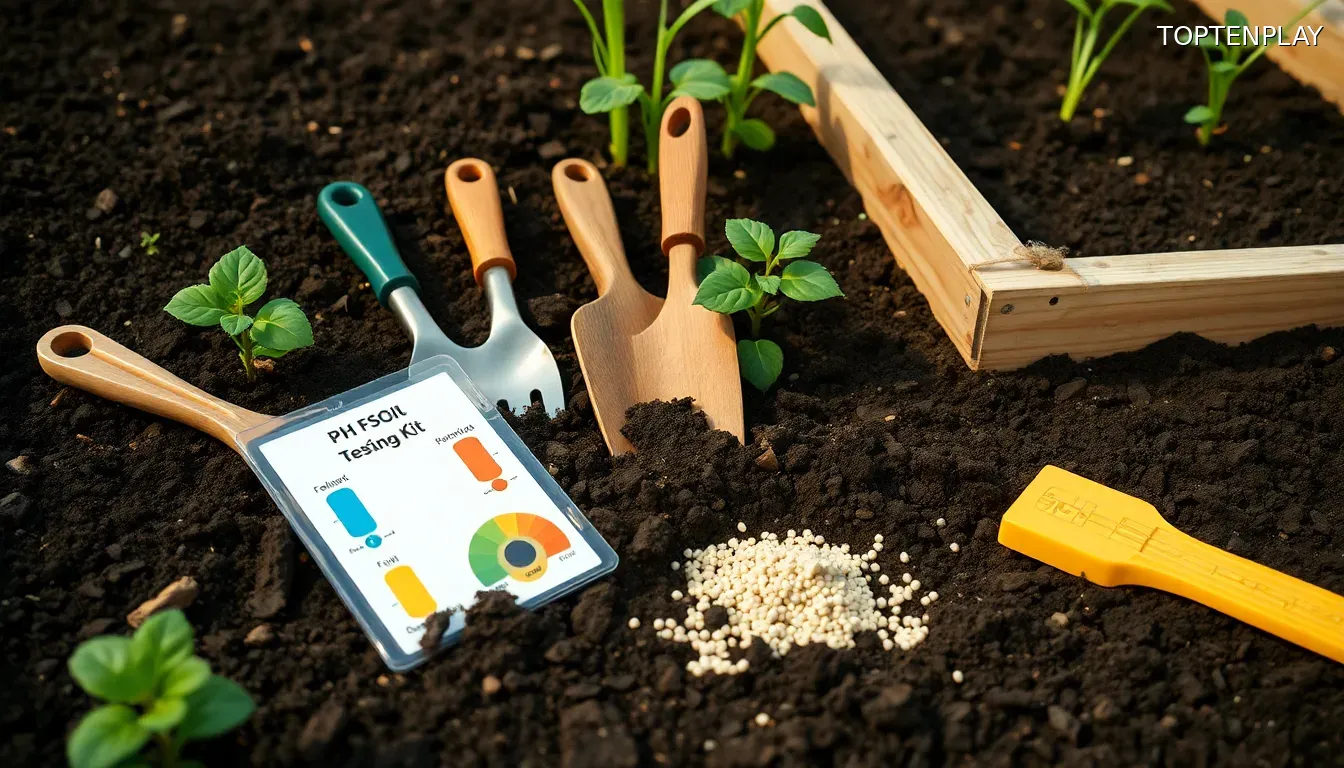
Image d’illustration © TopTenPlay EN
Soil Preparation: Achieving The Perfect Growing Environment
Even after securing optimal sunlight and spacing, the foundation beneath your tomatoes may sabotage everything you’ve carefully planned. Most garden soils fall dramatically short of tomato requirements, creating invisible barriers to successful cultivation that manifest only after weeks of disappointing growth.
The pH sweet spot proves surprisingly narrow – between 6.2 and 6.8 – yet few gardens naturally achieve this range. Soil testing reveals the harsh reality: most yards register either too acidic or too alkaline for proper nutrient absorption. Plants struggling in incorrect pH conditions exhibit stunted growth and yellowing leaves, despite adequate watering and sunlight.
Chemical amendments become mandatory, not optional. Sulfur or aluminum sulfate must be incorporated when soil tests reveal excessive alkalinity, while lime addresses overly acidic conditions. This pH adjustment process requires weeks to stabilize, forcing gardeners to plan soil preparation well before planting season arrives.
Nutrient deficiencies present equally demanding challenges. Tomatoes consume nitrogen, phosphorus, and potassium at rates that quickly exhaust standard garden soil reserves. The recommended 10-10-10 fertilizer formulation addresses these needs, but application timing and quantities require precision to avoid burning young plants or creating excessive foliage growth at fruit expense.
Drainage improvements often demand the most labor-intensive modifications. Clay-heavy soils that retain excess moisture around root systems create perfect conditions for devastating root rot. Organic matter integration – compost, shredded leaves, or aged manure – transforms soil structure while improving both drainage and nutrient retention.
These soil modifications represent significant upfront investments in time, materials, and physical effort that many gardeners underestimate when planning their tomato ventures.
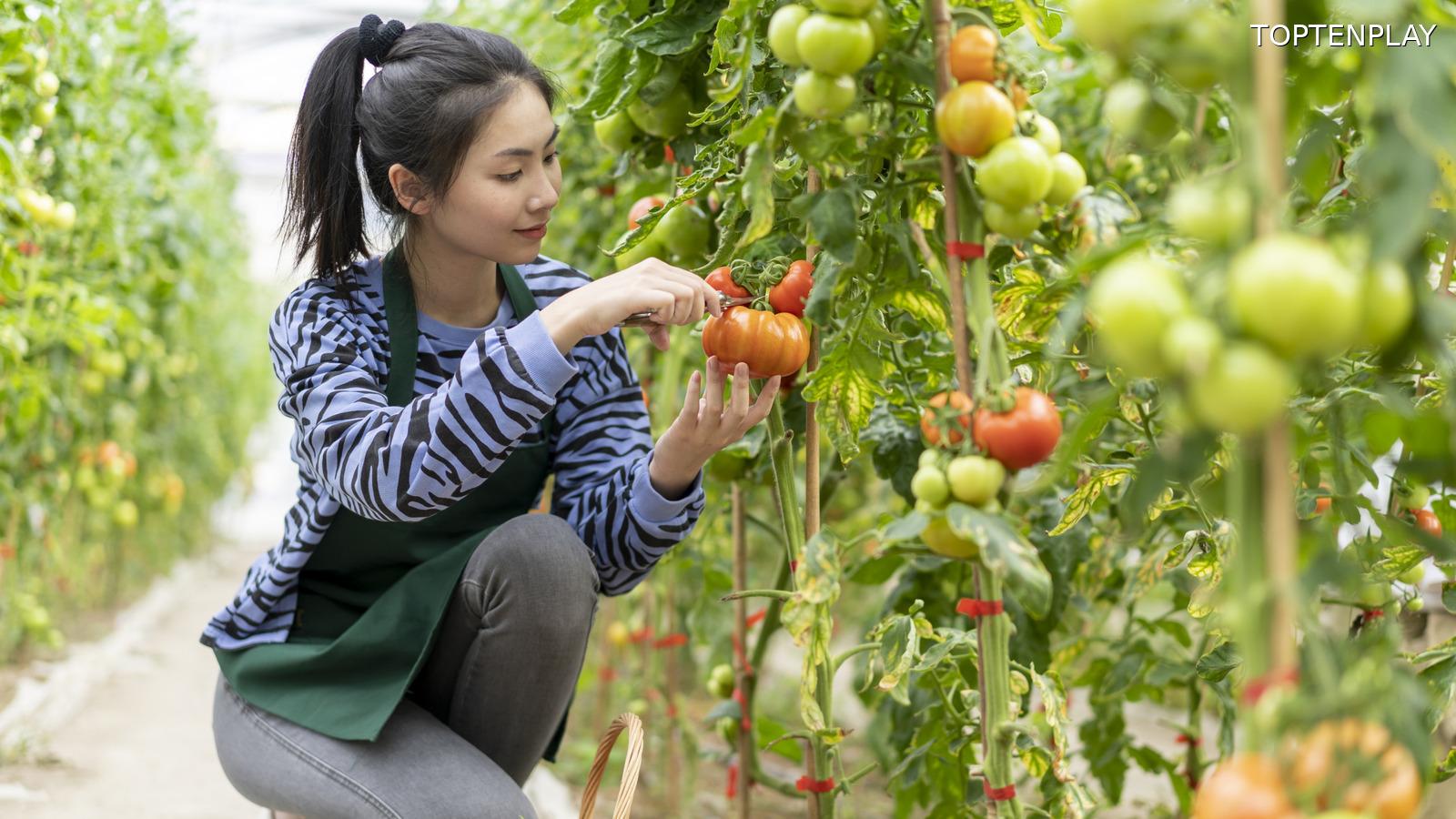
Image d’illustration © TopTenPlay EN
Ongoing Care Challenges: Watering Precision And Pest Management
Perfect soil preparation means nothing without mastering the delicate balance of ongoing tomato care, where watering precision and pest vigilance determine whether your investment pays off or withers into costly failure.
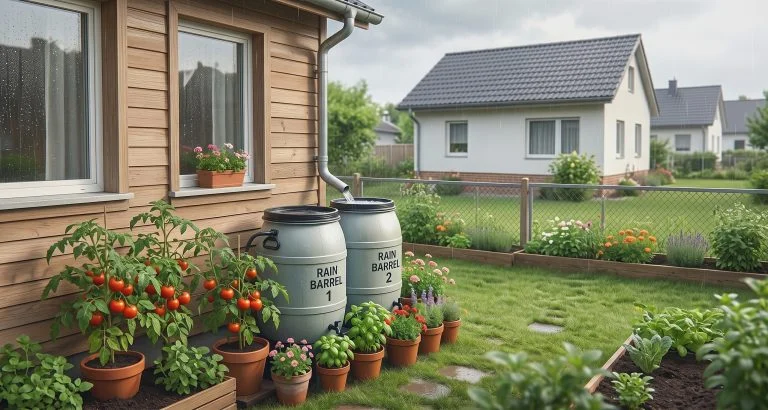
Water requirements escalate dramatically as growing seasons progress, catching unprepared gardeners off guard. May through June demands minimum 1-inch weekly applications, but summer heat pushes needs to 2 inches weekly – double the initial commitment. Drought conditions force even higher frequencies, transforming casual watering into daily obligations that vacation plans must accommodate.
Application technique proves equally critical. Water directed at leaves and fruits creates perfect breeding grounds for diseases that devastate entire crops within days. Base watering using hoses or drip irrigation systems becomes mandatory, not convenient – requiring equipment investments and installation time that casual gardeners rarely anticipate.
Pest threats multiply these challenges exponentially. Aphids attack with stealth efficiency, using specialized mouthparts to drain plant moisture while simultaneously spreading diseases through entire garden sections. Their rapid reproduction cycles demand constant monitoring and swift intervention protocols.
Tomato hornworms present even more devastating consequences, with individual caterpillars reaching 3-inch lengths capable of defoliating entire plants overnight. These voracious feeders progress from leaf consumption to direct fruit damage, leaving behind scarred tomatoes that represent weeks of wasted effort and resources.
Spider mites complete this pest trinity, creating distinctive yellow speckling patterns across fruit surfaces while systematically draining plant vitality through microscopic feeding damage that accumulates into complete crop failure.
These maintenance demands transform simple gardening into intensive agricultural management requiring sustained attention and rapid response capabilities.