📌 Sweet potato flatbread: how this 150-calorie recipe combines nutrition and complex flavors in 45 minutes
Posted 24 January 2026 by: Admin
The Origin And Benefits Of Spiced Sweet Potato Flatbread
For millennia, flatbreads have crossed civilizations as a universal culinary constant. From Indian naan to Mediterranean pita, these simple preparations nourished humanity long before the appearance of modern ovens. Their strength lies in their remarkable versatility: a discreet accompaniment to a main dish, a generous envelope for a filled wrap, or a standalone snack enjoyed plain.
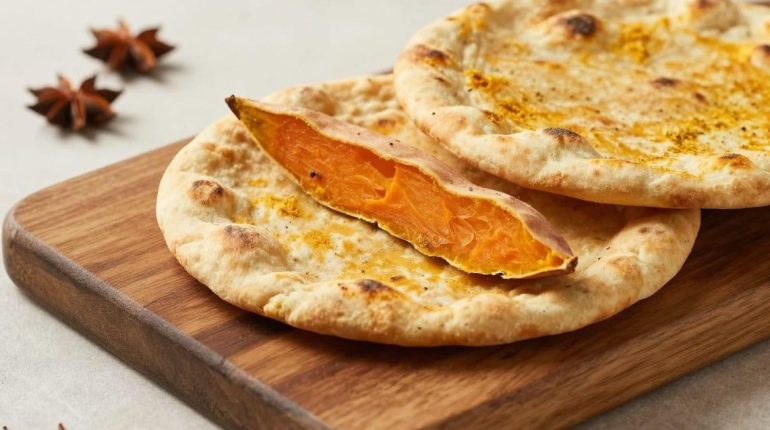
This recipe reinvents tradition by integrating sweet potato, a tuber packed with vitamins and fiber, whose natural sweetness balances the robustness of whole wheat flour. The addition of ground turmeric provides a warm golden hue and a subtle earthy flavor, while allspice brings an unexpected aromatic complexity.
The sweet potato transforms a classic here into a nutritionally dense creation without sacrificing taste. Its impressive nutritional profile—rich in beta-carotene, fiber, and antioxidants—combines with whole grains to produce a flatbread as nourishing as it is satisfying.
This alliance between ancestral ingredients and modern composition perfectly illustrates how a timeless recipe can evolve. The simplicity of the process, the versatility of uses, and the substantial nutritional contributions make these spiced flatbreads a relevant culinary option for all ages and occasions. The balance between tradition and innovation lies precisely in this ability to enrich without overcomplicating.
The Synergy Of Main Ingredients
This combination of ingredients relies on a precise balance between complementary textures and flavors. The natural sweetness of the sweet potato tempers the rusticity of the whole wheat flour, creating a soft base that contrasts with the usual density of whole wheat breads. This fundamental duo transforms a potentially heavy preparation into an airy and digestible product.
Ground turmeric acts far beyond its coloring function. Its presence, even measured at a quarter teaspoon, diffuses a characteristic golden hue while bringing an earthy note that enhances without masking the sweetness of the tuber. This ancient spice, recognized for its anti-inflammatory properties, discreetly enriches the overall nutritional profile.
Allspice completes this aromatic architecture with a subtle complexity mixing cinnamon, nutmeg, and cloves. One teaspoon is enough to introduce a warm dimension that envelops each bite without overwhelming the palate. This Caribbean spice creates a bridge between vegetable sweetness and cereal robustness.
The alchemy results from these three components: the sweet potato provides moisture and natural sugars, the whole wheat flour structures and supports, and the spices reveal and harmonize. This synergy produces a nutritionally dense, flavor-balanced flatbread, accessible to all ages and versatile enough to adapt to various culinary preparations.
Precise Composition Of The Recipe
The reproducibility of this preparation relies on exact proportions and a mastered schedule. Two medium-sized sweet potatoes, weighing approximately 300 grams in total, constitute the moist and nutritious base. This weight guarantees the ideal balance between softness and structural hold of the flatbread.
Whole wheat flour is used at 280 grams, equivalent to one and a half cups in volumetric measure. This precise amount ensures the cohesion of the dough while preserving a flexible texture, avoiding the excess density characteristic of preparations too heavily loaded with whole grains.
The seasoning follows a thoughtful graduation: a quarter teaspoon of turmeric is enough to color and flavor without dominating, while a full teaspoon of allspice deploys its measured aromatic complexity. Salt is adjusted according to individual preferences, allowing for personalization without compromising the fundamental balance.
The chronology is set over 45 total minutes: 20 minutes of preparation including peeling, initial cooking of the potatoes, and kneading, followed by 25 minutes of actual cooking. This recipe generates six individual flatbreads, each providing approximately 150 kilocalories, making this option a substantial but reasonable alternative to accompany or replace traditional starches.
Uses And Culinary Versatility
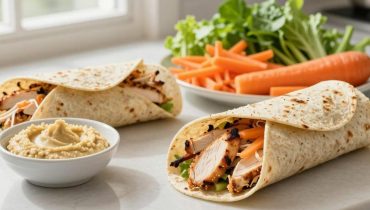
This preparation naturally fits into multiple gastronomic contexts, transcending the simple function of an accompaniment. On the side of the plate, these flatbreads absorb the juices and sauces of stews, enriching their role beyond simple side starches. Their robustness allows them to support generous toppings without falling apart, making them ideal bases for improvised wraps.
Standalone consumption reveals another dimension: plain or lightly buttered, these golden discs constitute a substantial snack between main meals. Their natural sweetness perfectly balances the bitterness of traditional hummus, the freshness of tzatzikis, or the creaminess of eggplant caviar.
The association with thick soups or purees creates a remarkable textural harmony. The slightly caramelized crust contrasts with the interior tenderness, while the subtle spicy notes dialogue with fragrant broths or vegetable creams. This compatibility extends to curries, stews, and tagines, where flatbreads play the role of a traditional edible utensil in several Mediterranean and Oriental cultures.
The gustatory accessibility of this recipe removes generational barriers: children and adults alike appreciate the balance between sweet mildness and rustic character. This universality transforms these flatbreads into a versatile solution for family meals, picnics, or shared buffets, confirming their status as a truly transversal preparation.