Discovery Of A Multi-Faceted Wild Plant
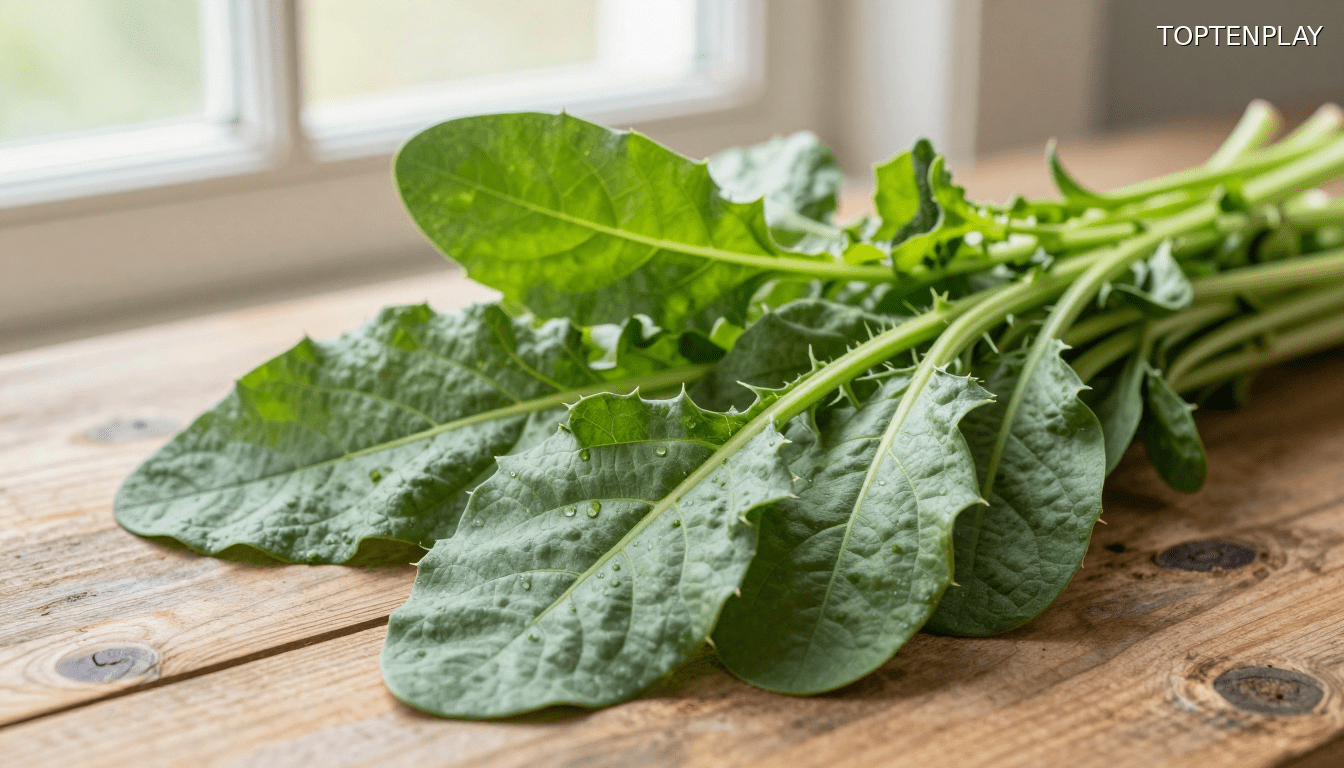
Spiny amaranth (Amaranthus spinosus) probably grows in your garden without you suspecting its potential. Recognizable by its bright green oval leaves, sharp spines at the leaf junctions, and long bristly inflorescences, this plant from the Amaranthaceae family illustrates a fascinating cultural paradox.
In the United States, it is systematically uprooted as an invasive weed. Yet, in Asia, Africa, and South America, this same plant is the subject of ancestral respect. Traditional practitioners have used it for centuries as a natural remedy, while local cuisines integrate it as a nutritious vegetable after cooking.
This gap in perception reveals a troubling reality: what 90% of Americans consider a nuisance constitutes a therapeutic treasure for three continents. Spiny amaranth combines two contradictory identities depending on geography—a plant symbol of traditional knowledge that the West has largely ignored.
But this plant also harbors real dangers. Its complex chemical composition requires rigorous preparation to avoid serious side effects. Between documented benefits and proven risks, spiny amaranth deserves a factual analysis that goes beyond cultural prejudices.

Documented Therapeutic Virtues
This traditional recognition is based on four distinct medicinal properties, passed down from generation to generation in ancestral medicines.
Digestive action is the most widespread use. Infusions prepared with the leaves relieve chronic constipation and abdominal discomfort thanks to a high fiber content that naturally stimulates intestinal transit. This application finds a particularly strong echo in Southeast Asia, where the plant regularly integrates rural pharmacopoeias.
Spiny amaranth extracts also demonstrate targeted anti-inflammatory properties. Phytochemical studies identify active compounds capable of reducing gastrointestinal and urinary inflammation—although the precise mechanisms remain partially misunderstood by contemporary research.
Detoxifying potential represents the most controversial aspect. Some traditions attribute to the plant an ability to support the natural elimination of toxins and protect kidney and liver functions. However, scientific evidence remains fragmentary, limited to preliminary studies on animal models without robust human clinical validation.
On a nutritional level, spiny amaranth rivals its cultivated cousins. Consumed cooked, the leaves provide significant amounts of vitamins A and C, as well as iron—a profile that explains its status as a valued vegetable in several tropical regions.
These therapeutic benefits, as attractive as they may be, mask a worrying chemical reality that traditional use alone cannot neutralize.