📌 Spiny Amaranth: How This Common Weed Supports Digestion But Can Overload Your Kidneys
Posted 7 December 2025 by: Admin
Traditional Uses And Botanical Profile Of Spiny Amaranth
Spiny Amaranth represents a fascinating case study in how cultural perception shapes our understanding of plants. In Western contexts, particularly across the United States, Amaranthus spinosus is routinely dismissed as an invasive weed cluttering gardens and fields. Yet this classification tells only half the story. For centuries, traditional healers across Asia, Africa, and South America have recognized this same plant as a valuable medicinal herb and nutrient-dense leafy vegetable, embedding it into their therapeutic practices and culinary traditions.
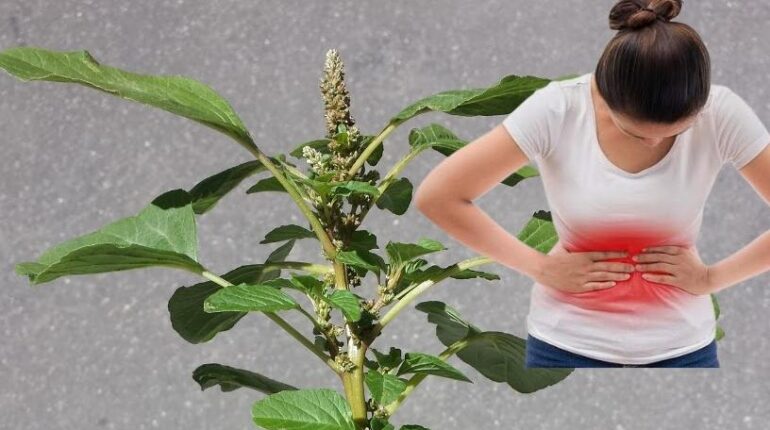
The plant’s botanical identity provides insight into its dual nature. Belonging to the Amaranthaceae family, Spiny Amaranth is instantly identifiable by its distinctive green oval leaves crowned with sharp spines at each leaf junction—a defensive mechanism that earned it the alternative names Prickly Amaranth and Spiny Pigweed. Long, spiky flower clusters extend from the stem, creating an unmistakably prickly silhouette that warns casual foragers of its sharp edges.
This physical profile, however, belies its extensive ethnobotanical significance. In traditional medicine systems spanning multiple continents, practitioners have long valued it both as a healing herb steeped into therapeutic teas and as a cooked leafy vegetable for regular consumption. This dual-purpose status—neither purely medicinal nor purely culinary—reflects a sophisticated understanding of food and medicine as interconnected domains. The contrast between Western dismissal and global traditional use invites closer examination of what scientific evidence actually supports about this widely cultivated yet largely underappreciated plant.
Documented Health Benefits And Nutritional Profile
The traditional reverence for Spiny Amaranth across multiple continents stems from empirically observed therapeutic effects that modern herbalism continues to document. Rather than mere folklore, these applications reflect generations of careful observation and clinical application within traditional healing systems.
The plant’s most well-established benefit centers on digestive support. Practitioners have long prepared Spiny Amaranth tea to address constipation and abdominal discomfort, a use grounded in the plant’s substantial fiber content which actively promotes bowel regularity and maintains healthy gut function. Beyond digestive relief, the herb demonstrates notable anti-inflammatory properties that specifically target inflammation affecting the stomach and urinary tract—conditions where conventional interventions often prove limited.
Spiny Amaranth also features prominently in detoxification protocols across Asian and African traditional medicine. While scientific validation remains incomplete, practitioners employ it to support kidney and liver function, viewing it as a botanical agent for systemic cleansing. This purported detoxifying action, coupled with its demonstrated nutritional density, distinguishes it from purely symptomatic remedies.
The nutritional profile amplifies its therapeutic potential. Like other amaranth species, Spiny Amaranth delivers significant concentrations of vitamins A and C alongside bioavailable iron—micronutrients essential for immune function, collagen synthesis, and oxygen transport. When properly prepared as a cooked vegetable rather than a supplement, it functions as genuine food medicine, providing sustained nutritional benefit rather than isolated therapeutic compounds.
Yet this nutrient density and bioactive concentration carry consequences that demand serious consideration before consumption.
Critical Health Risks And Contraindications
This nutritional richness, however, transforms into a liability when preparation protocols are disregarded. The very compounds that render Spiny Amaranth therapeutically valuable—its concentrated bioactives and mineral density—become sources of serious harm without proper culinary technique.
The most significant concern stems from the plant’s elevated oxalate content, which imposes measurable strain on kidney function. For individuals with existing renal vulnerabilities, this bioaccumulation presents genuine risk. Raw consumption amplifies dangers substantially: uncooked leaves trigger acute digestive distress manifesting as stomach pain, nausea, and diarrhea. Prolonged or excessive herbal tea preparation compounds hepatic stress, potentially damaging liver tissue through repeated exposure to concentrated plant compounds.
Certain populations face absolute contraindications. Those with kidney stones or gout—conditions directly exacerbated by oxalate intake—must categorically avoid this plant regardless of preparation method. The margin between therapeutic dose and toxic exposure narrows considerably in these cases, eliminating safe consumption parameters.
This risk architecture explains why traditional practitioners integrated rigorous preparation standards alongside botanical knowledge. The remedy’s efficacy depends entirely upon respecting these protocols. Medical consultation becomes non-negotiable, particularly for individuals with compromised hepatic or renal function, ensuring informed decision-making before introducing this powerful plant into therapeutic regimens.
Safe Preparation Methods And Usage Guidelines
The theoretical benefits of Spiny Amaranth dissolve entirely without adherence to established safety protocols. Traditional practitioners recognized that this plant’s therapeutic potential hinges on meticulous preparation—a principle modern consumption patterns frequently overlook.
Cooking thoroughly remains non-negotiable. Boiling or sautéing the leaves substantially reduces oxalates and neutralizes compounds responsible for acute digestive toxicity. Raw consumption, regardless of quantity, carries unacceptable risk and should be categorically avoided. The transformation through heat converts a potentially harmful substance into a manageable food source, making thermal preparation the foundational safety requirement.
Moderation defines sustainable use. Spiny Amaranth functions best as an occasional dietary addition or infrequent herbal remedy, not a daily staple. This measured approach prevents bioaccumulation of problematic compounds while preserving therapeutic benefits. Weekly or bi-weekly incorporation allows the body adequate clearance time without triggering cumulative damage.
The final critical step involves professional medical consultation before use, particularly for those with hepatic or renal conditions. A qualified healthcare provider can assess individual vulnerability factors, establish appropriate dosing, and monitor for adverse effects. This gatekeeping prevents well-intentioned self-medication from becoming iatrogenic harm.
Respecting these four foundational directives—thorough cooking, occasional use, raw avoidance, and medical clearance—reframes Spiny Amaranth from dangerous experiment into genuinely beneficial botanical practice aligned with traditional wisdom and contemporary safety standards.