📌 Speculoos bavarois: the no-bake dessert that seduces with its airy texture and spices
Posted 14 March 2026 by: Admin
The Origins and Appeal of Speculoos Bavarois
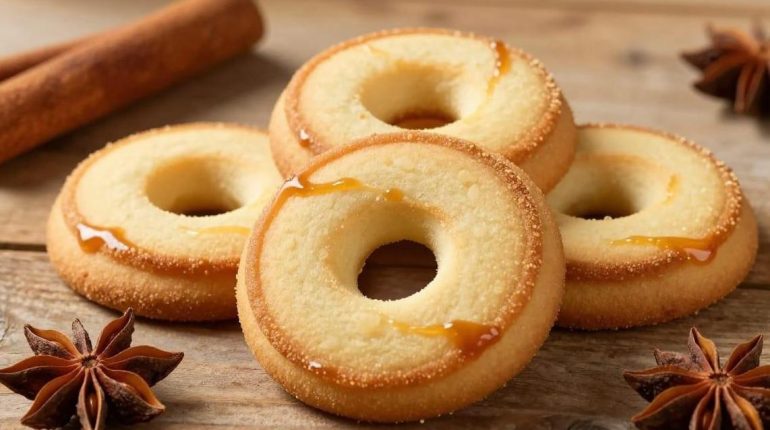
Behind this creamy dessert lies the story of a Belgian biscuit that has become a legend. Speculoos, with its notes of caramel and warm spices, now inspires a pastry creation that transcends its original form: the speculoos bavarois, a no-bake cake that transforms this iconic biscuit into an elegant dessert.
The appeal of this recipe lies in its perfect balance. A crunchy base of blended speculoos meets a smooth and airy mousse flavored with speculoos spread. This alliance between crunchy texture and melting cream creates a gourmet contrast that seduces immediately.
Accessible even to baking beginners, this dessert requires no cooking. Its simplicity of preparation hides a refined result that impresses on every occasion. Birthdays, family meals, or special celebrations become opportunities to present this cake that wins over all audiences.
The light texture of the bavarois is its major asset. Unlike heavy desserts, this airy mousse remains pleasant to enjoy even after a hearty meal. Children appreciate its sweet gentleness while adults savor its subtle spicy notes. This versatility explains why this dessert has established itself as a staple of home pastry, capable of transforming a simple biscuit into a creation worthy of the finest tables.
Composition and Ingredients for a Successful Recipe
The success of this dessert relies on a precise selection of ingredients. For a 22 cm mold, the base requires 200 g of speculoos biscuits combined with 80 g of melted butter. This proportion guarantees a layer compact enough to support the mousse without crumbling when unmolded.
The mousse reveals its secret in the combination of mascarpone and speculoos spread. 250 g of mascarpone bring creamy smoothness while 200 g of speculoos spread diffuse that characteristic caramelized taste. Full-fat liquid cream (200 ml) whipped into chantilly provides that sought-after airy lightness. Three gelatin leaves ensure the perfect hold of the whole, transforming these ingredients into a stable mousse that cuts cleanly.
The dosage of sugar (80 g) balances the flavors without masking the spicy notes of the speculoos. Milk (80 ml) serves as a vector to dissolve the gelatin and dilute the speculoos spread, creating a homogeneous base that incorporates harmoniously with the mascarpone.
This recipe requires 25 minutes of active preparation. The biscuit base needs 30 minutes of refrigeration to harden, while the entire bavarois requires minimum 4 hours of rest in the refrigerator. A full night allows the flavors to develop fully and the mousse to reach its ideal texture. This wait transforms simple ingredients into a refined dessert, proof that patience is the invisible ingredient of any great pastry.
Preparation in Five Key Steps
The transformation begins with the processing of the biscuits. Blended until a fine powder is obtained, the speculoos are mixed with melted butter to create a sandy texture. This preparation, poured into the mold and packed firmly with the back of a spoon, forms a compact base. Thirty minutes in the refrigerator are enough to solidify it before receiving the mousse.
Gelatin requires special attention. Softened for ten minutes in cold water, it then dissolves in hot milk without ever reaching a boil. Adding the speculoos spread to this lukewarm liquid creates a smooth preparation that must cool slightly before incorporation. This step determines the final texture: if too hot, it would cause the whipped cream to collapse.
Whipping the mascarpone with sugar produces a smooth cream. At the same time, the full-fat liquid cream, which must be cold, is whipped into firm but supple chantilly. Success lies in the assembly: the speculoos preparation is first incorporated into the mascarpone, then the chantilly is added with delicate movements from bottom to top. These gestures preserve the trapped air, guaranteeing that characteristic airy lightness.
The final assembly seals the success. The mousse poured onto the refrigerated base is smoothed with a spatula. A minimum rest of four hours allows the gelatin to work its structural magic, but a full night reveals the true potential of the dessert. The flavors marry, the mousse reaches its optimal consistency. This patience rewards with clean slices that detach effortlessly, revealing the perfect contrast between the crunchiness of the base and the softness of the mousse.
Customization and Storage of the Dessert
The finish transforms the bavarois into a personal creation. Crushed speculoos sprinkled on the surface recall the origin of the dessert, while a few whole biscuits arranged in a crown add a visual dimension. Homemade chantilly, whipped just before serving, brings a contrasting freshness. A drizzle of caramel poured in a spiral enhances the presentation while reinforcing the caramelized notes of the spices.
Variants expand the repertoire. A thin layer of chocolate ganache between the base and the mousse creates a chocolate version that seduces cocoa lovers. Caramel topping poured over the top before tasting intensifies the indulgence. For an aromatic touch, a spoonful of soluble coffee dissolved in the hot milk subtly scents the mousse, creating a harmonious marriage with the speculoos spices.
Storage requires a few simple precautions. Two to three days in the refrigerator in an airtight container preserve texture and flavors. Preparing it the day before is the optimal strategy: the gelatin perfectly firms the mousse, and the aromas develop fully. This anticipation also facilitates organization during receptions.
With about 430 kilocalories per slice, this dessert remains reasonable despite its apparent richness. The balance between 6 grams of protein, 32 grams of carbohydrates, and 30 grams of fat makes it a gourmet but measured conclusion. This nutritional accessibility adds to its technical simplicity to make it a wise choice, capable of impressing without ever intimidating the novice baker.