📌 Sebaceous cysts: why you should never pierce them and 4 simple steps to treat them at home
Posted 19 March 2026 by: Admin
Understanding Sebaceous Cysts: Definition And Location
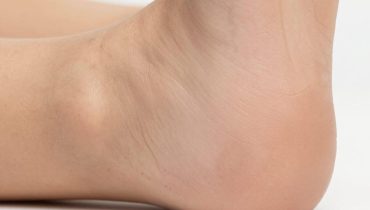
Sebaceous cysts, also called epidermoid cysts, present as small subcutaneous sacs filled with keratin or sebum. These benign formations appear as round, mobile bumps that develop slowly, without posing an immediate danger to health.
Contrary to popular belief, these cysts are not cancerous and can remain stable for years without requiring intervention. Their presence is explained by the accumulation of fatty or semi-solid materials under the skin surface, creating this characteristic protrusion easily identifiable to the touch.
These skin formations favor areas rich in sebaceous glands. The face, neck, and scalp are frequent locations, as are the back, chest, and groin. This geographical distribution is explained by the higher concentration of oil-producing glands in these regions of the body.
Most sebaceous cysts remain small and evolve so slowly that some go unnoticed for years. However, some can become inflamed or infected when irritated or handled inappropriately. This reality highlights the importance of understanding the mechanisms that lead to their formation.
The Origins Of Cysts: Five Identified Causes
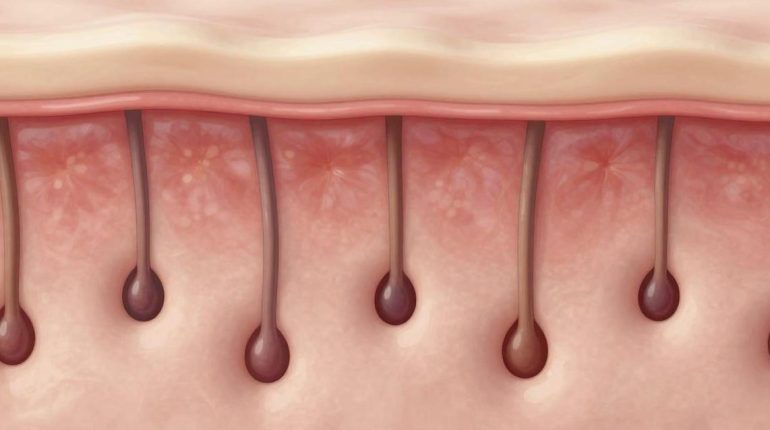
The development of a sebaceous cyst primarily results from the blockage of a hair follicle or a sebaceous gland. When this natural canal becomes blocked, sebum and skin cells gradually accumulate under the skin, forming this characteristic pocket.
Obstruction of hair follicles is the first identified cause. Oil, dirt, or dead skin cells can clog these tiny channels, preventing the normal evacuation of sebum to the skin surface.
Skin trauma represents a second triggering factor. A cut, a scratch, or even an acne lesion can damage a hair follicle and trap skin cells under the epidermis, creating favorable conditions for the formation of a cyst.
Excessive sebum production particularly affects people with oily skin. This natural overproduction increases the risk of pore blockage and promotes the appearance of these subcutaneous formations.
Hormonal fluctuations also play a determining role. During adolescence or certain periods of adult life, hormonal variations stimulate the sebaceous glands, increasing skin oil secretion and, consequently, the risk of blockage.
Finally, certain genetic predispositions can increase susceptibility to developing sebaceous cysts. These hereditary factors explain why some people are more prone to them than others, regardless of their hygiene or lifestyle.
Symptoms And Evolution: Recognizing The Signs
Sebaceous cysts present distinctive physical characteristics that facilitate their identification. They appear as small round bumps under the skin, generally mobile to the touch, with a texture varying from soft to firm depending on the accumulated content. A central black point, marking the opening of the blocked hair follicle, is often a revealing sign.
Growth of these formations generally remains slow and progressive, sometimes spreading over several months or even years. In most cases, they remain completely painless and cause no particular discomfort, which explains why some people live with them for a long time without consulting a doctor.
However, certain signs should alert to possible inflammation or infection. Redness around the cyst, sudden swelling, or the appearance of pain indicate that the situation is evolving. If the cyst ruptures, a yellowish or white discharge may occur, a sign that the content is draining outward.
The natural evolution of sebaceous cysts varies considerably from person to person. Some remain stable for years without notable modification, while others may spontaneously decrease or even disappear completely without medical intervention.
One rule remains absolute: never squeeze or pierce a cyst. This practice systematically worsens inflammation, pushes the content deeper into the tissues, and drastically increases the risk of infection and permanent scarring.
Home Care And Medical Treatment
Faced with a stable and non-infected cyst, several simple steps can relieve discomfort and promote natural resorption. The warm compress is the first recommended approach: apply a clean cloth soaked in warm water to the affected area for 10 to 15 minutes, two to three times a day. This heat improves local blood circulation and can encourage progressive natural drainage of the cystic content.
Daily hygiene plays a determining role in preventing complications. Gently cleaning the area with a mild soap, without rubbing vigorously, keeps the skin clean while avoiding additional irritation. Choosing loose and breathable clothing limits friction that could worsen inflammation.
These home measures, however, have their limits. When the cyst grows rapidly, becomes very painful, or shows signs of infection (marked redness, pus, fever), medical consultation becomes imperative. Dermatologists have precise therapeutic options: steroid injections to reduce inflammation, antibiotics in case of proven infection, drainage under sterile conditions.
Surgical removal represents the most effective solution against recurrence. This minor intervention, performed under local anesthesia, completely removes the cystic capsule, thus eliminating any risk of reformation. Cysts exceeding 5 centimeters or recurring despite previous treatments particularly justify this radical approach.