Most people yank it out of their garden without a second glance. Yet Santa Lucía herb, a small wild plant found in flowerpots, backyards, and along sidewalks, has been valued in traditional herbal medicine for generations. Known scientifically as Euphorbia hirta, it is now drawing renewed interest from those seeking natural approaches to everyday wellness.
En bref
- —A common garden weed with a long history in folk medicine
- —Traditionally used for respiratory, digestive, and diuretic support
- —Requires caution: not suitable for everyone without medical advice
A Weed in Disguise: Recognizing Euphorbia Hirta
Euphorbia hirta grows in some of the most ordinary places imaginable — damp soil, sidewalk cracks, flowerpots, and backyard corners. Despite its humble appearance, the plant is easy to identify once you know what to look for: green leaves, tiny flowers, and a distinctive milky white latex that seeps from the stem when cut.
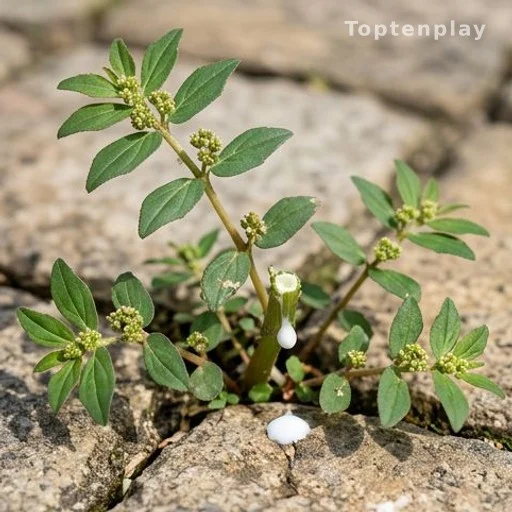
This latex is one of the plant’s most recognizable features and a key identifier for those who forage or collect wild herbs. Because several wild plants can look similar, proper identification is considered essential by experts, who also warn against collecting specimens from roadsides, polluted zones, or contaminated soil.
The plant is sometimes called asthma-plant in folk tradition, a nickname that reflects one of its most longstanding traditional associations. For generations, families in various regions have recognized it not as a nuisance, but as a quiet resource growing just outside their doors.
A plant with deep folk roots
Euphorbia hirta belongs to a vast family of plants found across tropical and subtropical regions worldwide. It has appeared in traditional medicine systems across Latin America, Asia, and Africa, where it has been used for respiratory and digestive complaints for centuries. Its widespread presence and ease of growth have made it one of the most commonly referenced herbs in folk wellness traditions.
What Traditional Medicine Attributes to This Plant
Folk medicine has long credited Euphorbia hirta with a broad range of natural properties. Among the most frequently cited are anti-inflammatory, expectorant, digestive, and diuretic effects — a combination that explains why the plant found its way into so many homemade remedy traditions.
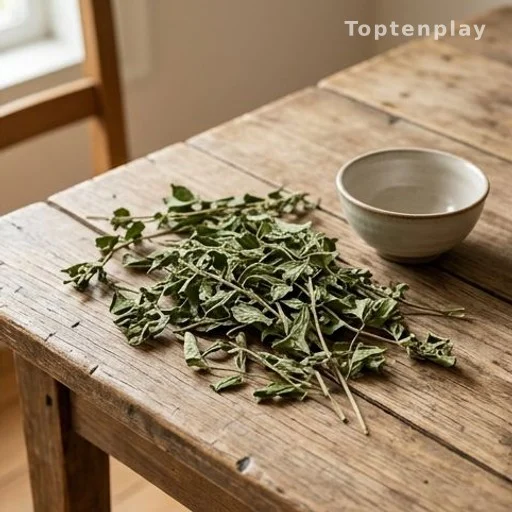
Its nickname as the asthma-plant reflects a traditional belief that it supports respiratory health. Many people have historically used it to help ease coughs, mild congestion, and bronchitis, with the plant believed to help loosen mucus and calm irritation in the respiratory tract.
Beyond the lungs, traditional users also associate the herb with joint comfort, urinary health, and fluid balance. Some even mention it in the context of healthy lifestyle routines aimed at maintaining balanced blood sugar levels — though experts are clear that it should never be used as a substitute for prescribed medical treatment.
It is important to note that these uses belong to the realm of traditional and folk medicine. They represent accumulated cultural knowledge passed down through generations, not clinically validated medical claims.
How to Prepare Santa Lucía Herb Tea
The most common way to consume Euphorbia hirta is as an herbal infusion. The preparation is straightforward: one teaspoon of chopped leaves, flowers, and stems is steeped in hot water for several minutes, then strained and drunk warm.
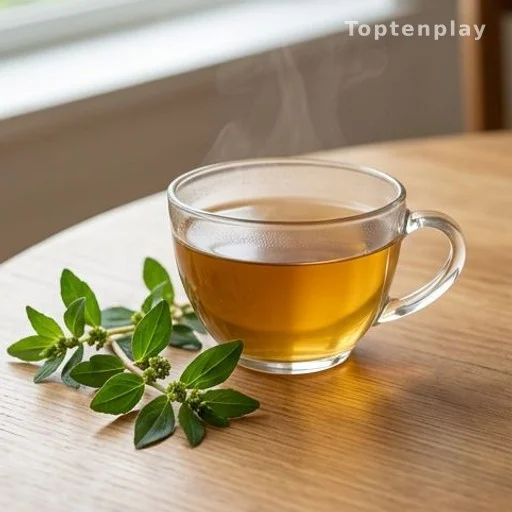
Many people drink the tea after meals, particularly to support digestion and ease feelings of heaviness or abdominal discomfort. Others turn to it during colds or respiratory episodes, valuing its traditional reputation as a soothing, mucus-loosening herb.
The simplicity of the preparation has contributed to its enduring popularity across generations. No special equipment is needed, and the plant itself is freely available in many gardens and outdoor spaces — making it one of the most accessible herbs in traditional natural wellness practices.
Important Precautions Before Using This Herb
Despite its long history in folk medicine, Euphorbia hirta is not without risk, and herbal remedies should always be approached with care. Pregnant or breastfeeding individuals, young children, and people with chronic illnesses are generally advised to consult a healthcare professional before consuming it regularly.
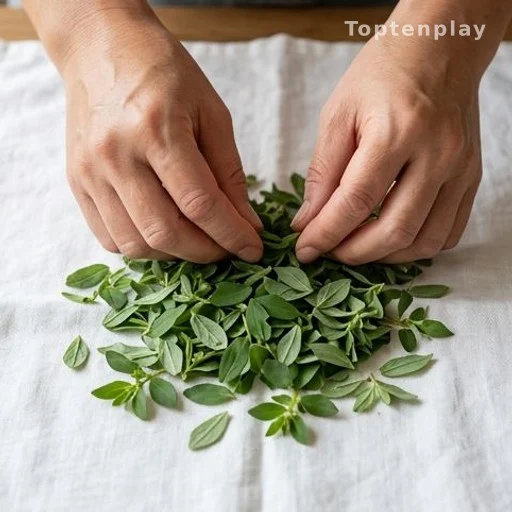
Correct identification of the plant is also a critical safety step. Wild plants can easily be confused with harmful or toxic species, and even a well-known herb can cause harm if misidentified. Experts specifically recommend avoiding plants collected near roadsides, industrial areas, or any soil that may be contaminated.
For the many families who have integrated Santa Lucía herb into their natural wellness routines, it remains a symbol of generational knowledge and traditional care. Used thoughtfully and safely, it continues to hold a place in the long human tradition of turning to nature for everyday support.
Santa Lucía herb is a striking example of how nature’s most overlooked plants can carry centuries of practical wisdom. While traditional medicine attributes a wide range of supportive properties to Euphorbia hirta — from respiratory relief to digestive comfort — it is essential to approach it with the same caution applied to any natural remedy. Correct identification, responsible sourcing, and medical guidance for vulnerable individuals remain non-negotiable. For those who use it wisely, this humble backyard plant continues to represent a living connection to generations of natural knowledge.