📌 Sage tea: how this plant naturally improves memory and relieves joints
Posted 16 March 2026 by: Admin
Sage: An Ancestral Medicinal Plant With Scientifically Recognized Properties
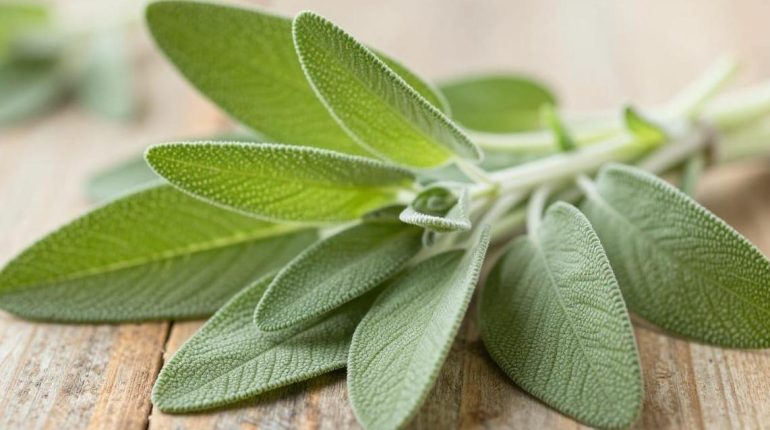
The scientific name of sage, Salvia officinalis, alone reveals the exceptional reputation of this plant. Derived from the Latin “salvare”, meaning “to heal or preserve”, this term bears witness to a status acquired since Roman antiquity. For centuries, Mediterranean, Middle Eastern, and European traditions have valued this infusion to support memory, facilitate digestion, and strengthen overall vitality.
This ancestral recognition is echoed today in modern scientific research. Chemical analyses have identified a remarkable concentration of active compounds: rosmarinic acid, flavonoids, polyphenols, and essential oils such as cineole and camphor. These substances explain the properties traditionally attributed to sage: anti-inflammatory effects, antioxidant protection, digestive support, natural antibacterial activity, muscle relaxation, cognitive stimulation, hormonal balance, improved circulation, and stress management.
This unique combination of measurable bioactive compounds confirms what herbalists have intuitively asserted for generations. Sage is not folklore: it constitutes a plant resource whose mechanisms of action are beginning to be scientifically documented, justifying its integration into a natural approach to daily well-being.
Preparation And Usage Protocol: The Traditional Instructions For Sage Infusion
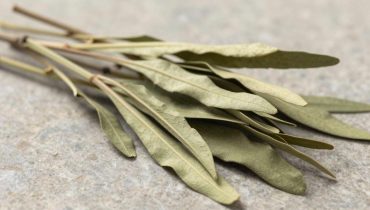
The preparation of an effective sage tea relies on a precise method passed down through herbalist traditions. For a 250 ml cup, use 10 to 12 fresh leaves or one tablespoon of dried sage. Bring the water to a boil, immediately turn off the heat source, add the leaves, and cover. The infusion should last 8 to 10 minutes to allow for the optimal extraction of active compounds without releasing the excessive bitterness of the essential oils.
The timing of consumption directly influences the desired benefits. For general well-being support, prefer a morning cup on an empty stomach. Those seeking a relaxing effect or joint comfort can add a second cup in the evening before bedtime. To stimulate mental clarity and concentration, adopt a regular course of 3 to 4 weeks, followed by a break of a few days.
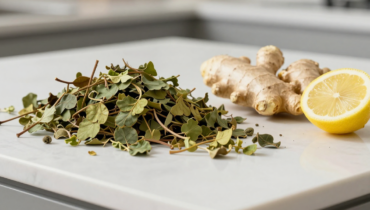
Adding raw honey, a few drops of fresh lemon, or a piece of ginger can enrich the properties of the infusion while softening its strong taste. Regularity takes precedence over quantity: moderate daily consumption produces more marked effects than a large occasional dose. This consistency allows the plant compounds to act progressively on the body, in accordance with the principles of traditional phytotherapy.
The 20 Potential Benefits: What Sage Tea Can Bring To Body And Mind
Beyond the simplicity of its preparation, sage tea concentrates remarkable properties that affect several physiological systems. The active compounds identified by modern research explain why this plant bears the nickname “herb of the mind”: some preliminary studies suggest that its molecules interact with neurotransmitters involved in short-term memory and learning. This potential action on concentration and the protection of brain cells against oxidative stress justifies the growing scientific interest in sage in the cognitive field.
On the joint and muscular level, the natural anti-inflammatory properties of sage find their traditional application in the relief of occasional knee discomfort, morning stiffness, and muscle tension. Association with ginger or turmeric reinforces these soothing effects. At the metabolic level, the tea supports hormonal balance during menopause, promotes liver function, and reduces digestive bloating.
Systemic benefits complete this picture: improved blood circulation, immune strengthening, promotion of restful sleep when consumed lukewarm in the evening. Twenty fields of application documented by traditional use converge toward the same conclusion: sage acts as a versatile support for daily vitality. These effects manifest progressively, particularly when consumption is part of a balanced lifestyle, far from any claim of instant cure.
Essential Precautions And Contraindications: Who Should Avoid Sage Tea
This plant with multiple virtues is not suitable for everyone. Certain populations must limit or totally avoid its consumption due to the powerful active compounds it contains. Pregnant and breastfeeding women are at the forefront of contraindications: essential oils and certain phytochemical compounds can cross the placental barrier or be found in breast milk. People with epilepsy or prone to seizures should also abstain, as the thujone present in sage can lower the epileptogenic threshold.
Drug interactions represent another major risk. Sage can potentiate the effect of anticoagulants, increasing the risk of bleeding in patients under antithrombotic treatment. It also interferes with medications regulating blood pressure and certain anxiolytics, modifying their effectiveness in an unpredictable way. This interaction capacity stems directly from the pharmacological properties that make its therapeutic reputation.
Prior medical consultation is therefore essential for anyone under chronic treatment or presenting a diagnosed pathology. Sage tea is not a medicine but a natural supplement to be integrated into a balanced lifestyle. Moderation remains the guiding principle: even natural substances exert measurable biological effects that require caution and discernment.