The Reimagined Recipe: When Tradition Meets Modernity
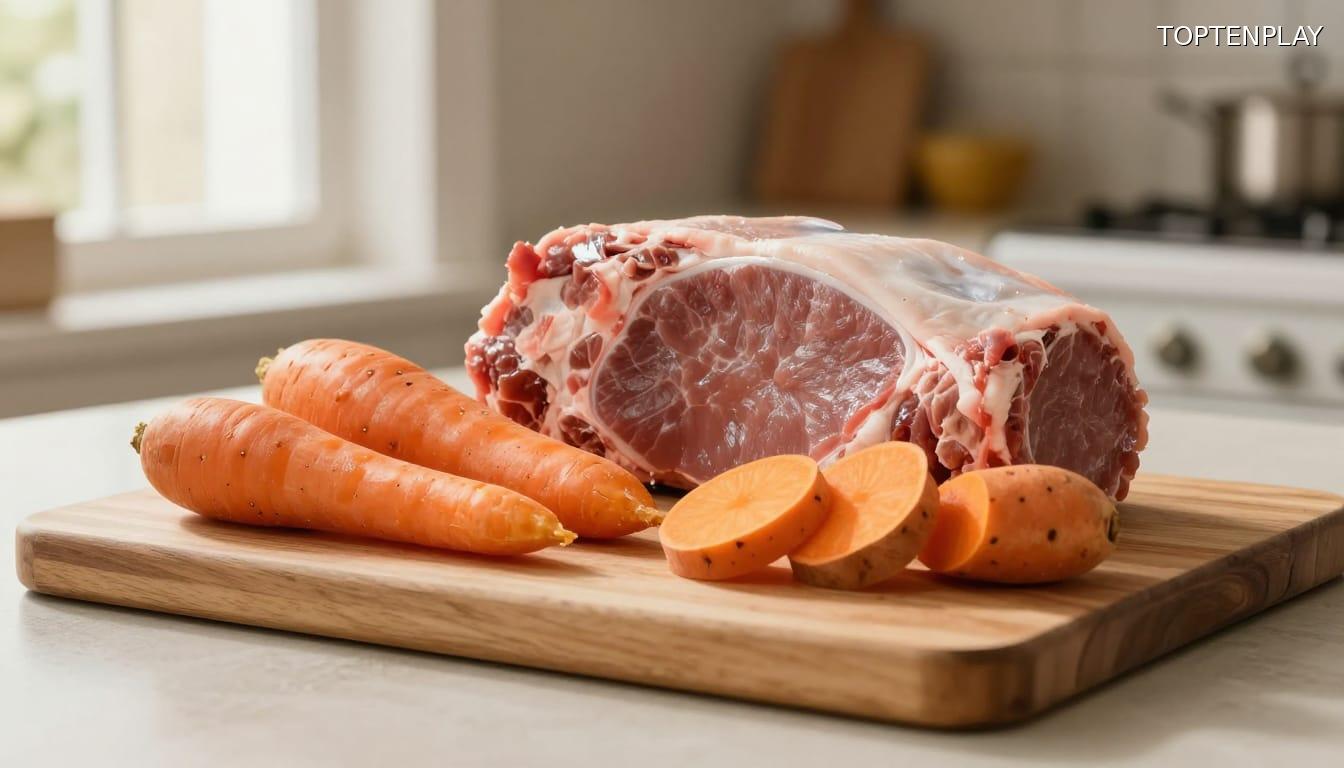
Veal blanquette, a pillar of French gastronomy since the 18th century, is enjoying a bold renaissance. This contemporary version transforms 1.2 kg of veal shoulder into a dish for six guests where sweet potato replaces the traditional potato, subtly upsetting the taste balance without betraying the soul of the classic.
The innovation lies in this unprecedented association: the caramelized sweetness of the sweet potato dialogues with the tenderness of the veal, while 200 g of cooked chestnuts bring an autumnal depth absent from the original recipe. However, the fundamentals remain intact. The meticulous skimming of the broth, the gentle cooking over low heat for 1h30, the final cream-egg-flour liaison: these ancestral gestures guarantee the velvety texture and the pearly sauce that made the dish famous.
This reinterpretation perfectly illustrates the evolution of contemporary French cuisine, capable of integrating modern sweet notes while preserving the technical rigor inherited from the great houses. The result? A balance between culinary heritage and assumed creativity, where each bite tells of two eras. The 30 minutes of preparation and the hour and a half of cooking testify to a certain commitment, but the taste transformation fully justifies this time investment.
Technique at the Service of Taste: The Crucial Steps
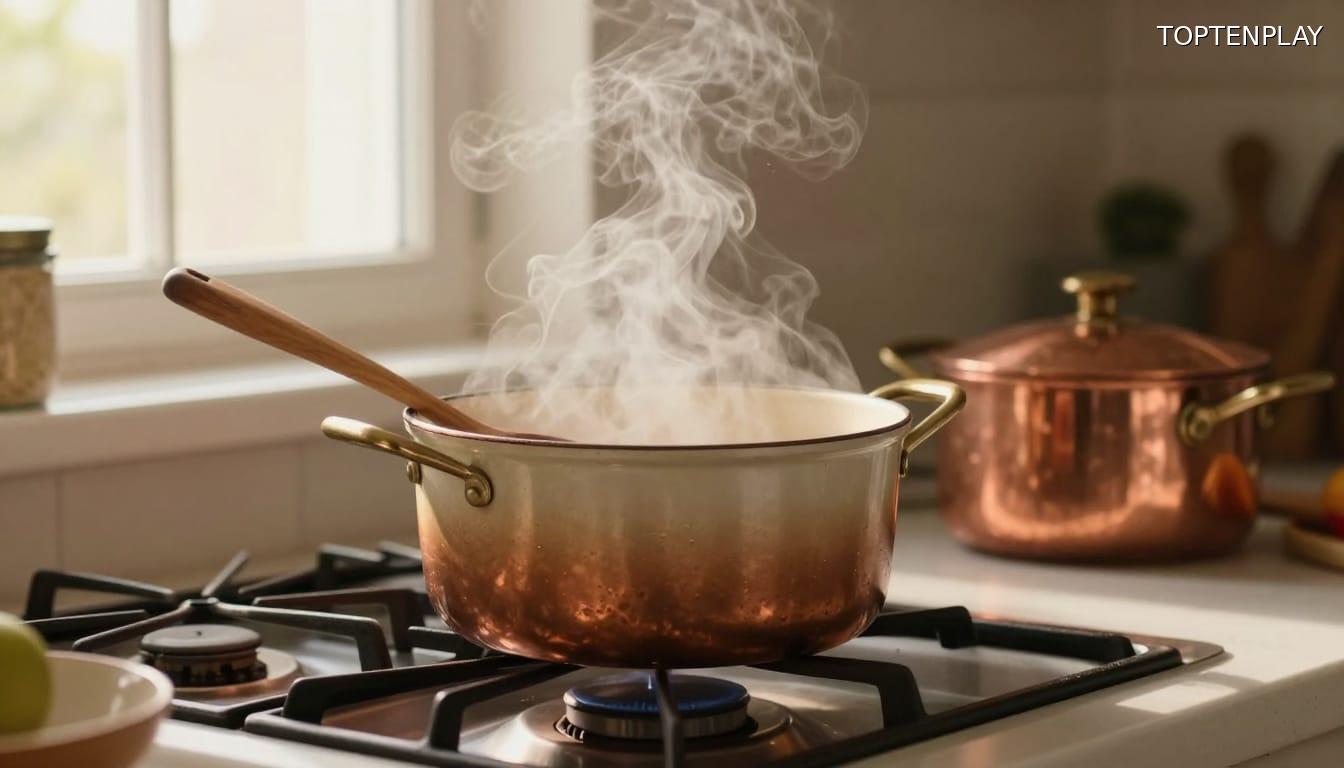
The secret of an irreproachable blanquette lies in the precision of the gestures, not in the complexity of the ingredients. It all starts with the initial browning of the meat in a drizzle of olive oil: this searing develops the Maillard aromas that will enrich the broth throughout the cooking. Then comes the determining step: cover with cold water and bring to a simmer before carefully skimming. This operation, often neglected by amateurs, guarantees the crystalline clarity of the final sauce.
The gradual addition of vegetables according to their cooking resistance constitutes the mark of accomplished technical mastery. The carrots join the pot after 45 minutes, followed 15 minutes later by the sweet potatoes and chestnuts. This timed sequence avoids the pitfall of a vegetable mush while ensuring that each element reaches its optimal texture simultaneously.
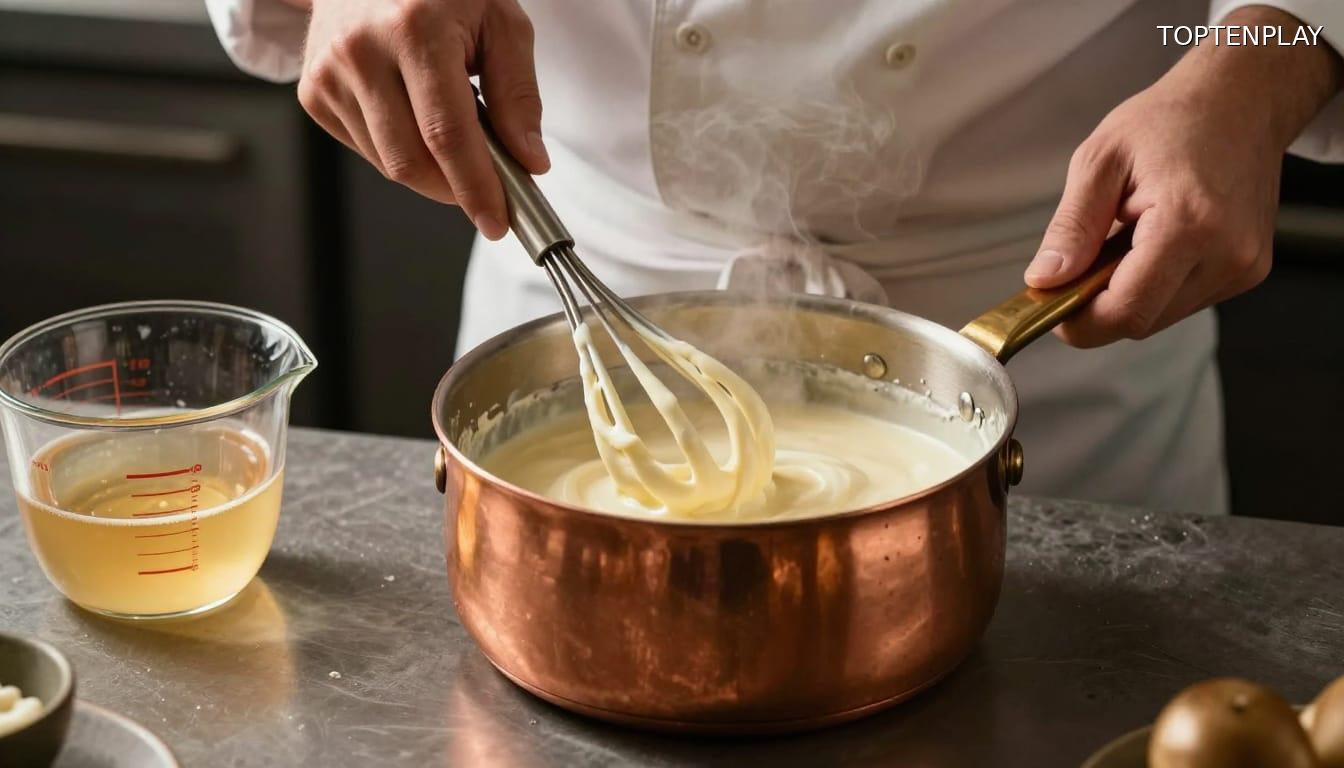
The final liaison requires absolute vigilance. The whisked mixture of 20 cl of full-fat crème fraîche, an egg yolk, and a tablespoon of flour is incorporated into the reduced broth while whisking vigorously. The thickening takes place over low heat for 2 to 3 minutes, without ever reaching a boil: a single boil would cause the emulsion to split, transforming the velvety sauce into a grainy disaster. These millennial gestures, passed down from generation to generation, definitively separate the passionate amateur from the cook mastering their art.

The Balance of Flavors: A Strategic Vegetable Trio
This reinterpretation of the blanquette relies on a redesigned taste architecture, where two medium sweet potatoes replace the traditional potatoes. This bold substitute brings a natural sweetness that softens the intensity of the veal while creating additional creaminess during prolonged cooking. Their orange flesh breaks down slightly at the end of cooking, naturally thickening the sauce.
The four carrots maintain the anchor in the classic recipe, their traditional sweet note dialoguing harmoniously with the sweet potato. But it is the addition of 200 grams of cooked chestnuts that truly elevates this blanquette: their floury texture and woody taste confer an autumnal depth absent from the original version. This vegetable triptych creates layers of complementary flavors, each ingredient occupying a distinct register without ever competing.
The seasoning remains resolutely classic: yellow onion studded with two cloves, bay leaf, thyme, and a chicken bouillon cube structure the aromatic base. These discreet aromatics allow the vegetable trio to express itself fully. The sweet potato redefines the codes of the emblematic dish while respecting its fundamental essence. Tradition evolves without denying itself.
The Perfect Finish: Sauce and Professional Plating
Once the vegetables are tender and the meat is meltingly soft, the true expertise is revealed in the sauce. After removing the meat and vegetables with a slotted spoon, 40 centiliters of filtered broth undergo a reduction over medium heat which concentrates the aromas developed during the hour and a half of cooking. This crucial step eliminates residual impurities and intensifies the taste depth of the liquid.
The final liaison requires surgical precision: 20 centiliters of full-fat crème fraîche, an egg yolk, and a tablespoon of flour, whisked together, are incorporated into the hot broth in a brisk and continuous movement. The gesture must be energetic to avoid the formation of lumps, but the temperature must imperatively remain below the boiling point. Two to three minutes are enough for the flour starch to thicken the preparation into a characteristic velvety texture.
The final reheating brings all the elements together in the pot: meat, carrots, sweet potatoes, and chestnuts coated in their creamy sauce merge over low heat. These final minutes are not a simple assembly, but a real harmonization phase. The final knob of butter brings the satin luster that signs great sauces.